

Last updated October 31, 2026
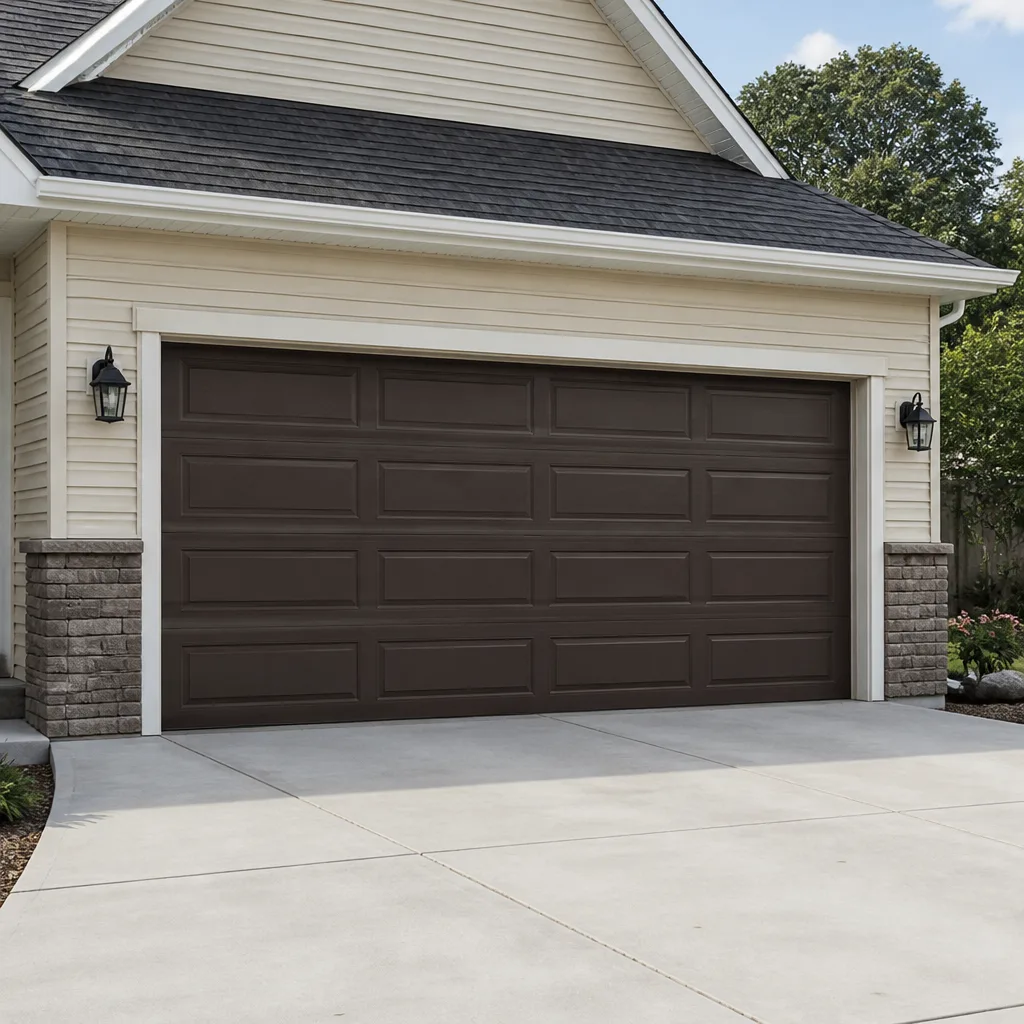 Raised-panel steel
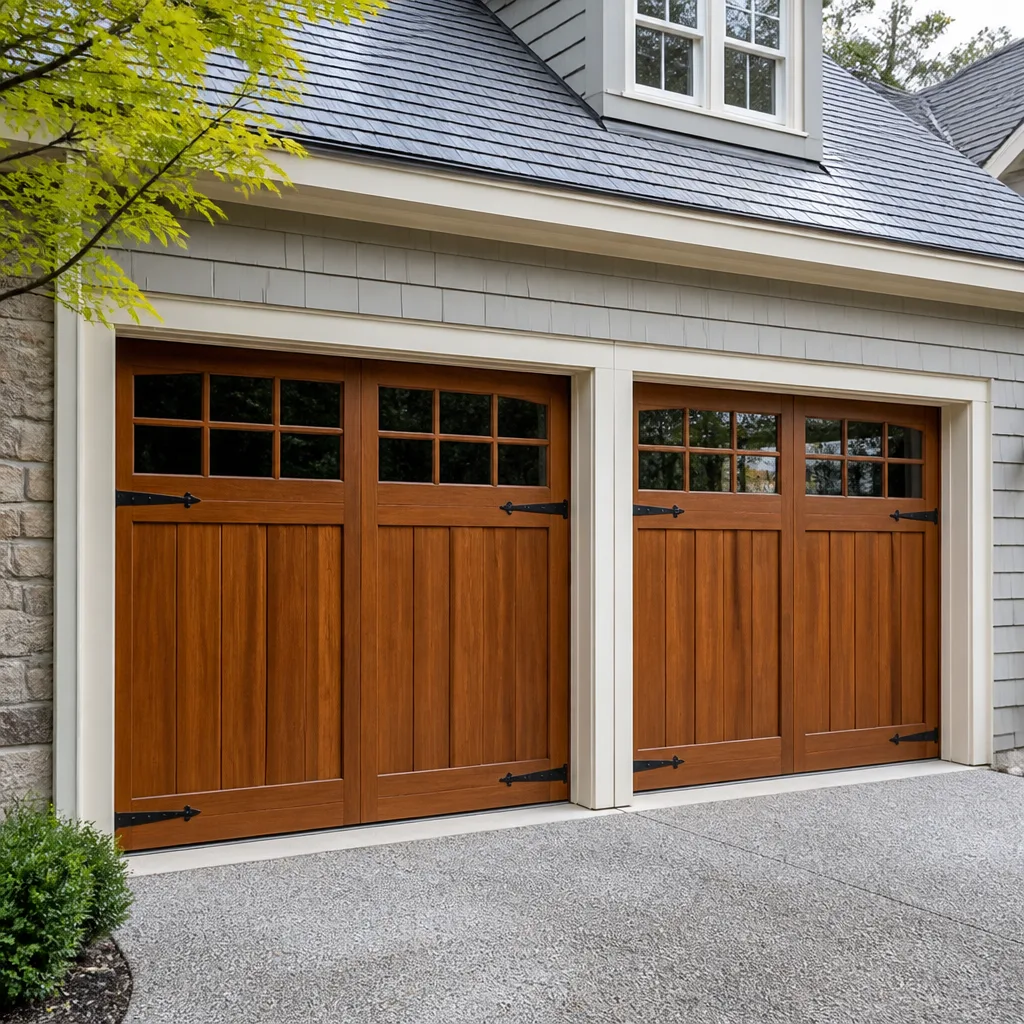 Carriage house
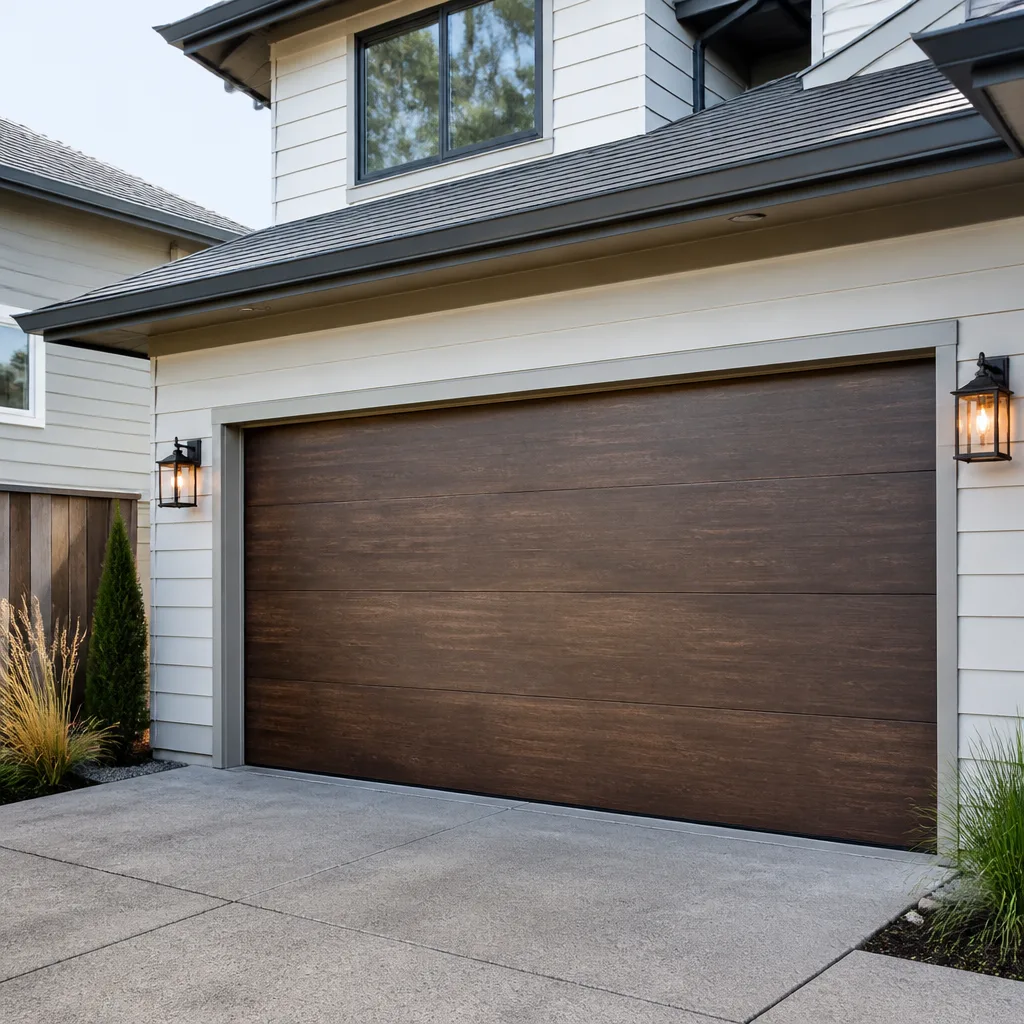 Modern flush
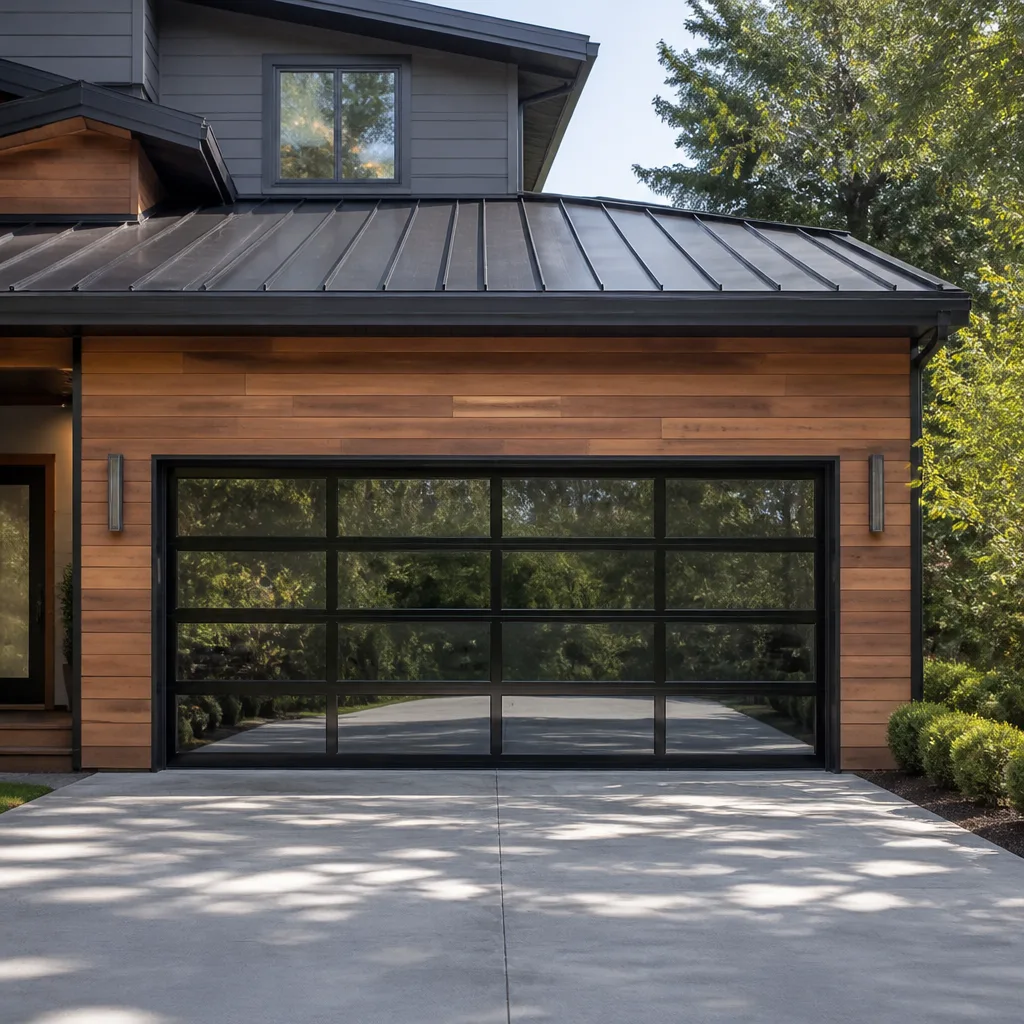 Full-view glass
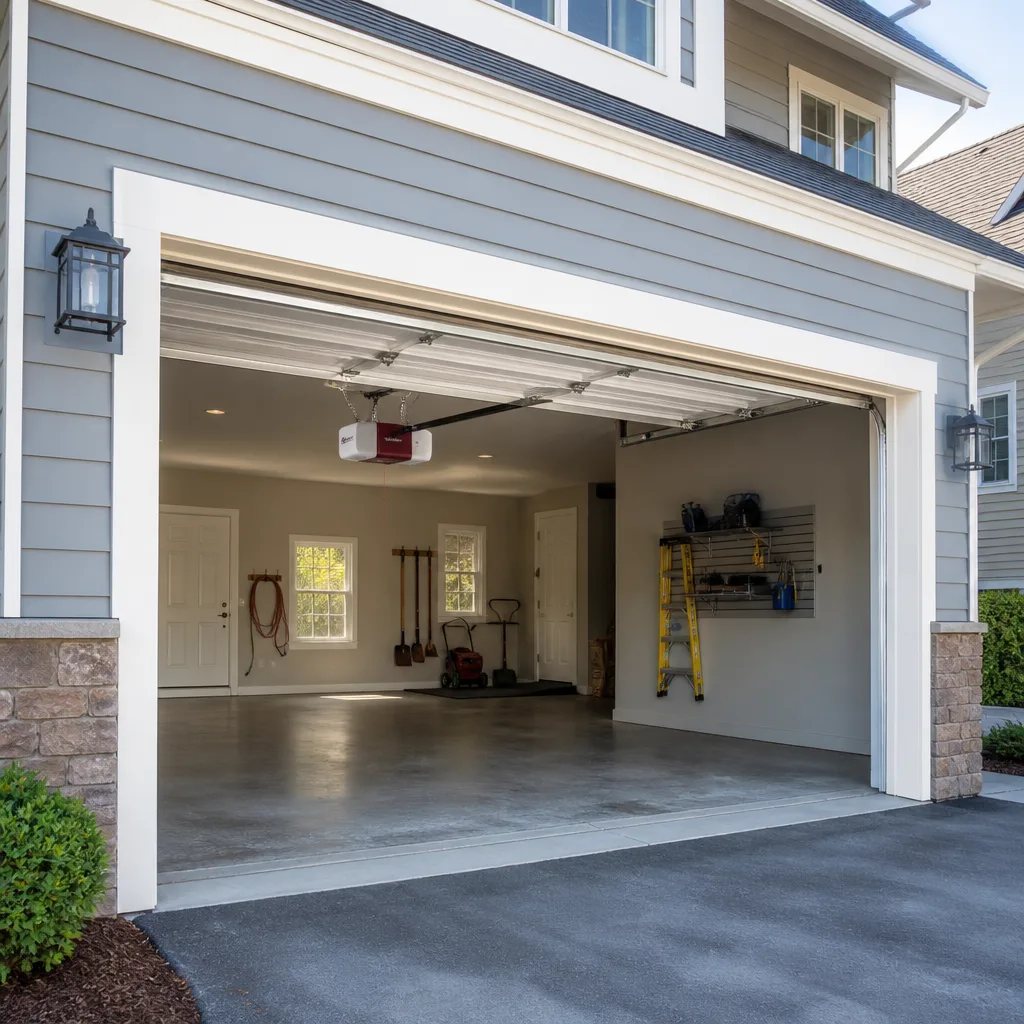 LiftMaster openers
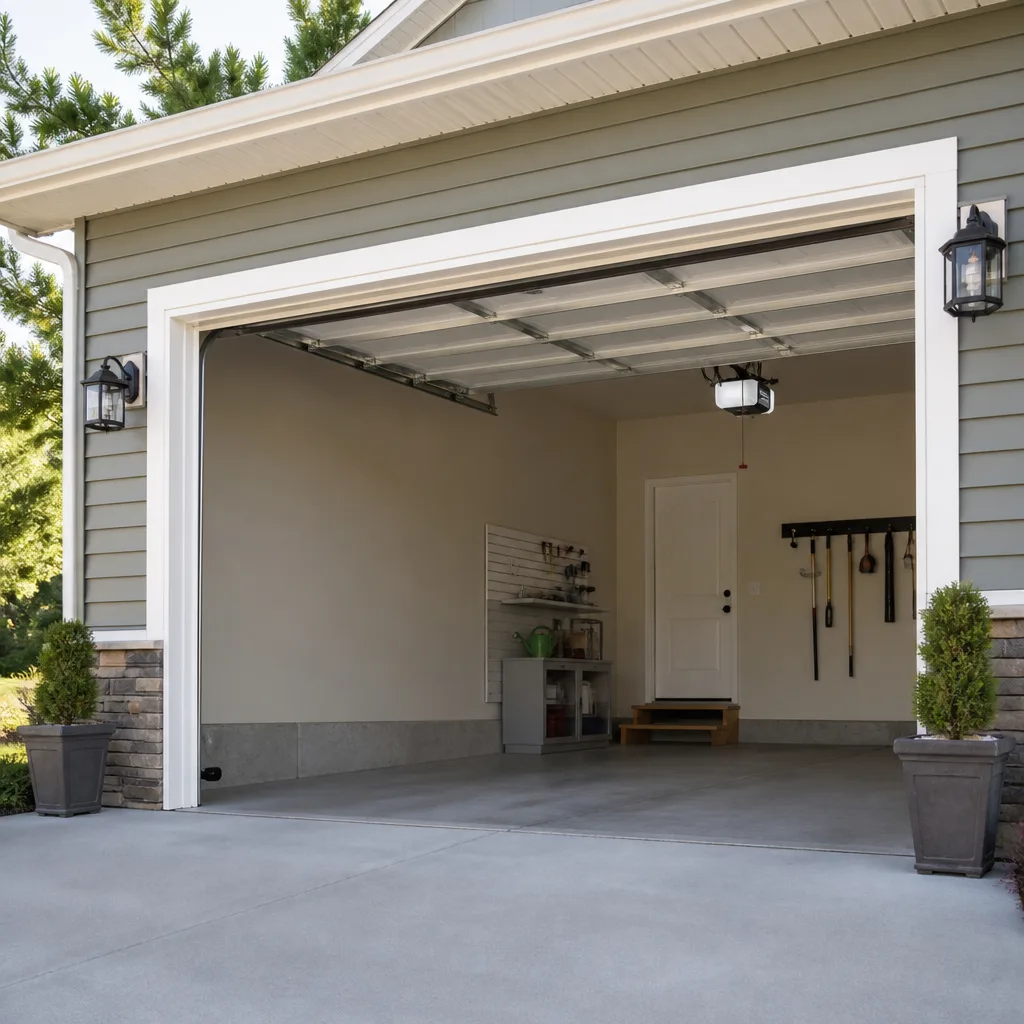 Chamberlain openers
Full 25-point door and opener safety check with every visit - springs, cables, rollers, tracks, and your LiftMaster or Chamberlain opener included
You get a price before we start. It does not change when the truck arrives.
Get your free estimateDIY vs Professional Garage Door: The Miami Homeowner’s Decision Guide
Here’s something most Miami homeowners don’t realize until it’s too late: the question isn’t whether you can physically replace your own garage door. It’s whether you’re legally allowed to. Florida Statute 489 draws a line that surprises people every week. You can watch every YouTube tutorial, buy the exact same door from a supplier, and have the mechanical skill to hang it square. But if the job requires a permit, and it almost always does, you cannot legally do it yourself unless you own and occupy the home and meet conditions most Miami residents don’t. This guide walks through what the law actually says, which repairs are genuinely safe to handle yourself, what a mistake costs in real dollars in Miami, and where the smart middle ground sits. By the end, you’ll know exactly which jobs to grab a wrench for and which ones to leave to a licensed contractor.
Quick Answer
In Miami, homeowners can legally and safely handle minor garage door maintenance themselves: lubrication, sensor realignment, remote programming, and weatherstripping. But spring replacement, cable work, track realignment, and full door replacement fall under Florida’s contractor licensing statute and require a permit pulled by a licensed professional. The DIY-vs-pro decision in Miami isn’t primarily about mechanical ability; it’s about legal exposure, hurricane-code compliance, and whether your homeowner’s insurance will cover a failure caused by unpermitted work. Call Craftsman Garage Door Repair at (844) 734-6077 for a free estimate on anything beyond basic maintenance.
Styles & brands we work with
Table of Contents
- What Florida Law Actually Says About DIY Garage Door Work
- Which Garage Door Tasks Are Genuinely Safe for DIY in Miami
- Which Tasks You Should Never DIY, and Why
- How an Unpermitted DIY Installation Affects Your Hurricane Insurance Claim
- The Real Cost of a DIY Mistake in Miami, Line by Line
- The Middle Path: What You Can Do to Reduce Labor Cost Legally
- Why Miami’s Climate Makes This Decision Different
- Common Mistakes to Avoid
- When to Call a Professional
- Frequently Asked Questions
What Florida Law Actually Says About DIY Garage Door Work
Florida Statute 489.103 defines what counts as contracting, and the definition matters more than most homeowners expect. Any work that involves the structural installation, alteration, or replacement of a garage door system falls under the scope of a licensed contractor when the project requires a permit. And in Miami, a full garage door replacement requires a permit. Not sometimes. Not depending on your HOA. The Miami-Dade County Building Code treats a garage door as part of the building envelope, which means it’s regulated the same way a window or exterior wall is.
The homeowner exemption in Florida law is narrower than people think. Under Florida Statute 489.103(7), a homeowner can act as their own contractor only if the home is their primary residence, they occupy it, and they intend to live there rather than sell or rent it. Even then, the exemption covers certain types of work, and it doesn’t exempt the homeowner from pulling the permit themselves, passing the same inspections, and meeting the same code requirements. For a garage door in Miami, that means high-velocity hurricane zone (HVHZ) compliance, which requires product approvals and specific installation methods that most homeowners aren’t equipped to document.
Here’s what this means in plain language:
- Replacing a garage door in Miami legally requires a permit. The permit can be pulled by a licensed contractor, or in limited cases, by a homeowner acting as their own contractor under the owner-builder exemption.
- Most Miami homeowners don’t qualify for the owner-builder exemption because they plan to sell or rent the property within a year, or they don’t occupy the home full-time, or they simply can’t produce the required documentation.
- Working without a permit is a code violation, not just a procedural oversight. Miami-Dade County can issue stop-work orders, levy fines, and require removal and reinstallation by a licensed contractor.
- Some repairs don’t require a permit at all. Replacing worn parts like rollers, hinges, or a circuit board is considered maintenance, not structural alteration. But springs, cables, and tracks are gray areas that many Miami inspectors treat as structural work when the door is being serviced as part of a larger project.
We’ve seen homeowners in neighborhoods like Kendall, Coral Gables, and Westchester discover this distinction too late. A door gets installed over a weekend, the next door neighbor reports it, and a code enforcement officer shows up asking for the permit number. The fine is usually less painful than the requirement to tear out the work and have it redone by a licensed contractor. For a detailed look at what a full professional repair involves, see our Garage Door Repair in Miami page.
Which Garage Door Tasks Are Genuinely Safe for DIY in Miami
Here’s the good news: several routine maintenance tasks are completely appropriate for a homeowner to handle, and doing them yourself will extend the life of your door and reduce service calls. None of these tasks involve the dangerous components of the system: the torsion springs, extension springs, cables, or load-bearing track hardware. In our experience, homeowners who stay on top of these small jobs have fewer emergency repairs overall.
These are the tasks we recommend doing yourself:
- Lubricating moving parts. Spray a silicone-based lubricant on rollers, hinges, and the opener chain or screw twice a year. Avoid WD-40; it’s a solvent, not a lubricant, and it’ll wash away the grease that keeps your rollers quiet. Miami’s salty air accelerates corrosion, so this matters more here than in most cities.
- Realigning photo-eye sensors. The sensors at the bottom of the track get bumped by bikes, trash cans, and kids. If your door won’t close and the sensor lights are blinking, they’re probably out of alignment. Loosen the wing nut, adjust the sensor so both lights are steady, and retighten. This fixes a surprisingly large percentage of Miami service calls.
- Reprogramming remotes and keypads. Every brand has its own sequence: LiftMaster and Chamberlain use the learn button, Genie uses a different process, and Raynor remotes vary by model year. The owner’s manual has the exact steps. This is a 5-minute job that requires no tools.
- Replacing weatherstripping. The rubber seal along the bottom of the door cracks in Miami’s heat and sun within two or three years. You can buy replacement weatherstripping at any hardware store, cut it to length, and slide it into the channel. It keeps out rain, bugs, and the humidity that rusts your track hardware.
- Tightening loose hardware. The vibration of daily operation loosens bolts and screws over time. Check the track brackets, hinges, and roller mounts every few months and snug them up with a socket set.
These five tasks cover the vast majority of what a homeowner should attempt. They require no permit, no specialized knowledge, and no exposure to dangerous tension. If you feel uncomfortable with any of them, or you’ve tried and the problem persists, the technician who shows up won’t be starting from zero; you’ll have already ruled out the simple stuff. And if the issue is with your opener specifically, our Garage Door Opener Repair in Miami page covers what to expect from a professional repair.
Which Tasks You Should Never DIY, and Why
There’s a category of garage door work that looks approachable on video but isn’t. The dividing line is simple: anything that involves stored tension or structural load requires training, specialty tools, and in most cases, a license. Miami’s high-velocity hurricane zone requirements raise the stakes further, because the door has to do more than open and close; it has to hold up against wind loads that most of the country never experiences.
Here are the tasks to leave to a professional:
- Torsion spring replacement. Torsion springs are mounted above the door and wound under extreme tension. When one breaks, it releases that tension instantly. The springs hold enough stored energy to break bones or cause fatal injuries. This is the most dangerous single component in your house. Professional replacement requires winding bars, the correct spring size and wire gauge, and knowledge of how many turns the specific door model requires.
- Extension spring and cable work. Extension springs run along the horizontal tracks and stretch as the door closes. When they fail, they can become projectiles. The safety cables that run through them are there for exactly that reason, and installing them correctly matters. If a cable is frayed or the spring shows signs of fatigue, leave it alone.
- Track realignment on wind-load doors. Miami-Dade County requires garage doors to meet specific wind-load ratings, and the track system is part of that rating. If the track is knocked out of alignment by an impact or a failed roller, simply bending it back isn’t enough. The installation has to be re-verified against the product approval, which is a contractor-level responsibility.
- Full door replacement. This requires a permit, full HVHZ product approval documentation, and installation methods specific to Miami-Dade’s code. Even if you’re physically capable of hanging the door, you can’t legally certify the installation, and the permit process requires a licensed contractor’s signature in most cases.
- Opener motor replacement when wiring is involved. Swapping a remote is one thing. Replacing a circuit board or motor on a LiftMaster or Chamberlain opener when you’re dealing with 120-volt wiring is another. It’s not that the electrical work is exotic; it’s that a mistake creates a fire hazard or a door that operates unpredictably.
The common thread here is stored energy: springs under tension, cables under load, tracks bearing the weight of a 150-300 pound door, and motors that can crush a person if the safety features aren’t properly configured. A real professional will always flag the danger rather than pretend these jobs are routine. The right fix, not the easiest upsell, is the principle that governs how a craftsman approaches this work. For more detail on how a multi-brand specialist handles the full scope of repairs, see our Garage Door Installation in Miami page.
How an Unpermitted DIY Installation Affects Your Hurricane Insurance Claim
In Miami, the insurance conversation isn’t theoretical. Hurricane season runs from June through November, and every homeowner in Dade County lives with the reality that a storm could test their garage door’s wind rating at any point between now and then. Here’s what most people don’t understand: if you install a garage door yourself without a permit, and that door fails during a hurricane, your insurance company may deny the resulting claim.
Florida insurance policies typically require that the home be maintained and improved in accordance with applicable building codes. An unpermitted installation violates that requirement, and insurers have become aggressive about enforcing it in the years since Hurricane Andrew, when investigators found widespread unreinforced garage doors contributing to catastrophic roof failures. When wind enters through a garage door opening, it pressurizes the interior of the house and pushes the roof upward. That’s why Miami-Dade’s building code specifically addresses garage door wind-load ratings, and why insurance adjusters check for permits after a storm.
The specific risk scenarios are these:
- Claim denial: If an unpermitted garage door fails and water damages the interior, the insurer can argue that the damage resulted from an unpermitted modification and deny coverage.
- Reduced payout: Even if the claim isn’t denied outright, the insurer may calculate the payout as if the home had the originally permitted door, leaving the homeowner to cover the difference.
- Non-renewal: Florida insurers are already pulling out of the state or narrowing their exposure. A claim investigation that reveals unpermitted work can be grounds for non-renewal, which makes the next policy dramatically more expensive.
- Liability exposure: If you sell the home and the buyer discovers an unpermitted garage door, you can be held liable for the cost of bringing it into compliance. Florida’s real estate disclosure requirements include any known code violations.
The math here is unforgiving. A permit for a garage door replacement in Miami-Dade County costs a few hundred dollars. A denied insurance claim after a hurricane can cost tens of thousands. The insurance argument alone is enough to make the professional route the rational choice for full door replacement in Miami, even for homeowners who could physically do the work themselves.
The Real Cost of a DIY Mistake in Miami, Line by Line
When people compare DIY costs to professional costs, they typically compare the price of materials to the price of a quote. That comparison misses most of what a mistake actually costs. Here’s a line-by-line look at a realistic Miami scenario: a homeowner attempts a full garage door replacement, gets partway through, and realizes the door isn’t seating correctly against the seals because the track wasn’t set to the right radius for that door model.
| Cost Item | DIY Scenario | Professional Scenario |
|---|---|---|
| Door and hardware | $1,100 – $1,800 | Included in quote |
| Permit | Not pulled (code violation) | $250 – $400, pulled by contractor |
| Re-stocking fee for wrong or damaged parts | $110 – $250 | $0 |
| Code enforcement fine | $150 – $1,000 | $0 |
| Re-inspection fee after corrections | $75 – $150 | Included |
| Licensed contractor to fix the install | $600 – $1,200 | $0 |
| Time lost (hours at Miami median income) | 16-24 hours | 0 hours |
The real cost of a DIY mistake isn’t the parts. It’s the rework. A door that’s installed slightly out of square will bind, wear out rollers prematurely, and strain the opener motor until it burns out. A door that doesn’t seal properly lets in Miami’s humidity, which rusts the hardware and warps the panels. Every one of those failures is a future service call, and each one costs more than the original mistake.
We’re not saying DIY never makes sense. We’re saying the comparison needs to include the failure case, not just the success case. In our experience in Miami, homeowners who attempt spring or cable work themselves and get hurt face medical bills that dwarf any labor savings. The cost of a professional repair starts to look reasonable when you include the downside risk.
The Middle Path: What You Can Do to Reduce Labor Cost Legally
Here’s the approach we recommend to Miami homeowners who want to save money without taking on code liability or personal safety risk: handle the maintenance layer yourself, and let a licensed contractor handle the structural and electrical layer. This splits the work along the same line the law does.
The homeowner’s portion includes:
- Regular lubrication and hardware tightening. This extends the life of the structural components that you’re paying a professional to install or repair. It’s not directly reducing the cost of any single job; it’s reducing the frequency of those jobs.
- Weatherstripping and seal replacement. These are wear items designed for homeowner replacement. You’ll pay a few dollars for the seal and a few minutes for the install, where a service call would cost a trip fee plus labor.
- Sensor realignment and remote programming. These are diagnostics and settings, not structural work. Handling them yourself means you’re not paying a technician $100+ for a 5-minute fix.
- Preparing the work area. Clear the cars, remove stored items near the door, and make sure there’s a clear path to the electrical panel. This genuinely reduces the time a technician spends on site, which can lower labor charges.
- Documenting the door’s behavior. When you do call a professional, noting when the door makes noise, when the remote range shortens, or when the door hesitates gives the technician a head start on diagnosis. Time spent diagnosing is time you’re not paying for.
The professional’s portion includes anything with springs, cables, tracks, or full door replacement. The cleanest way to think about it: you’re the first line of defense for maintenance and monitoring, and the contractor is the licensed authority for anything structural or electrical. We work on the brand you already have, whether that’s a LiftMaster opener paired with a Clopay door or a Chamberlain system retrofitted onto an older Raynor door. That brand-agnostic approach means you’re not paying for a technician to learn your specific system on the job.
Why Miami’s Climate Makes This Decision Different
Garage door advice written for a national audience misses the specific ways Miami’s environment attacks these systems. The combination of salt air, high humidity, intense UV exposure, and hurricane-force wind loads means the average garage door in Miami fails differently and more aggressively than the same door in Atlanta or Dallas.
Humidity is the quiet killer. The same moisture that makes Miami feel like a sauna in August is working on your garage door hardware year-round. Rollers rust, hinges corrode, and the torsion springs develop surface rust that creates friction points and eventual stress fractures. Salty air from the coast accelerates this substantially; a door in Coconut Grove or Brickell will corrode faster than one in West Kendall, simply because of the marine layer. Aluminum frames resist rust but still oxidize, and the hardware attached to them doesn’t care what the panel is made of.
The UV problem is less obvious but just as real. Miami’s sun beats down on west-facing garage doors with an intensity that warps panels, cracks the paint finish, and degrades the plastic components in opener systems. Weatherstripping turns brittle and splits within two or three seasons, which is why the seal replacement task we mentioned earlier is a recurring Miami job, not a once-a-decade fix.
Then there’s wind code. Miami-Dade County sits in a high-velocity hurricane zone, the strictest wind rating in Florida. Garage doors installed in the county must meet HVHZ product approval standards, and that affects everything from the gauge of the track steel to the number and placement of the anchor bolts. This is the single biggest reason why the DIY-versus-professional question is different here than anywhere else in the country. A door that meets code in Orlando doesn’t necessarily meet code in Miami, and knowing the difference is the kind of thing that comes from working with these systems daily. Our Garage Door Installation in Miami page details the installation scope for doors that have to meet these requirements.
Common Mistakes to Avoid
- Assuming the homeowner exemption covers everything. The owner-builder exemption in Florida Statute 489 is narrow, and most Miami homeowners don’t actually qualify for the work they think they do. Before you start any project that might need a permit, check the Miami-Dade County building department’s requirements or call a contractor to ask.
- Using the wrong lubricant. WD-40 is the most common mistake we see. It’s a penetrating solvent, not a lubricant. It’ll strip the grease off your rollers and leave them noisier than before. Use a silicone spray or white lithium grease made for garage door hardware.
- Attempting spring work without winding bars. Using improvised tools like screwdrivers or rebar to wind a torsion spring is how serious injuries happen. The spring needs specific winding bars that fit the set screw housing, and even with the right tools, this work demands training in how to load and unload tension safely.
- Ignoring the permit requirement before selling. A significant number of Miami home sales hit a snag during inspection because an unpermitted garage door was installed years earlier. The buyer’s inspector flags it, the seller has to bring it into compliance, and the cost lands in the most inconvenient moment possible.
- Forgetting about the hurricane inspection window. After a major storm, insurance adjusters in Miami pay particular attention to garage doors because of the known wind-pressurization failure mode. If your door was installed without a permit, the post-storm inspection is exactly the moment that discovery becomes expensive.
- Mismatching spring and cable specifications. Springs are sized to the exact weight and height of the specific door. A “close enough” spring from a big-box store will either wear out prematurely or put too much load on the opener motor. Both failures will eventually require a professional repair that costs more than the original correct spring would have.
- Treating the garage door opener as a generic appliance. A Chamberlain opener and a LiftMaster opener may share a parent company, but their control boards, travel limits, and programming sequences differ in ways that matter. Diagnosed by a technician who knows the system is better than a parts-swap based on a guess.
When to Call a Professional
Call a professional in Miami when the work involves springs, cables, tracks, or full door replacement. Call when the door makes a sudden loud noise, when it won’t stay open, when the opener motor runs but the door doesn’t move, or when you’ve been doing your own maintenance and something still isn’t right. Call when you’re planning to sell the home and need the door in documented compliance. Call when a storm is approaching and the door needs to be certified wind-rated. Craftsman Garage Door Repair offers free estimates in Miami. Call (844) 734-6077, and we’ll send a technician who knows LiftMaster, Chamberlain, Genie, Clopay, Amarr, Wayne Dalton, Craftsman, and Raynor systems by heart. The work gets diagnosed properly the first time, and the price is quoted and agreed before any work starts.
Frequently Asked Questions
Yes, but only under narrow conditions. Florida law allows a homeowner to act as their own contractor if the home is their primary residence, they occupy it, and they intend to stay. Even then, you must pull the permit yourself and meet Miami-Dade County’s high-velocity hurricane zone requirements, which is where most DIY installations run into trouble. For the vast majority of Miami homeowners, a licensed contractor pulling the permit is the simpler and safer path. Call (844) 734-6077 for a free estimate.
Torsion spring replacement in Miami typically ranges from $180 to $340 per spring depending on the door’s weight, spring size, and cycle rating. Extension spring replacement runs $150 to $250 per pair on average. This is not a DIY job; the stored tension in a garage door spring is enough to cause serious or fatal injury if released improperly. Expect the quote to be confirmed before any work starts.
It may not. If an unpermitted DIY installation fails and causes hurricane damage or water intrusion, your insurer can argue that the damage resulted from an unpermitted modification and deny or reduce the claim. Florida insurers are increasingly aggressive about this in Miami-Dade County, where garage door wind ratings are a documented failure point in storms. A permitted installation protects the insurance claim.
You can safely lubricate the rollers and hinges with silicone spray, realign photo-eye sensors, reprogram remotes and keypads, replace the bottom weatherstripping, and tighten loose hardware. These tasks require no permit and involve no dangerous components. If any of them fail to resolve the issue, call (844) 734-6077 and describe what you’ve already checked; it’ll speed up the diagnosis.
No, in most cases a garage door opener replacement does not require a permit because it’s considered an appliance swap, not a structural change. What matters is that the opener is wired correctly, the safety sensors are positioned properly, and the travel limits are set for the specific door’s weight and height. This is a job where brand knowledge matters: a LiftMaster opener and a Chamberlain opener have different programming procedures. The opener repair in Miami process is straightforward for a technician who works on these systems daily.
A full garage door replacement in Miami typically runs between $1,200 and $3,500 depending on the door size, material, insulation, wind rating, and hardware. HVHZ-compliant doors required in Miami-Dade County cost more than standard Florida wind-rated doors because of their heavier construction. The permit, old door removal, and hardware are included in a professional quote. Call (844) 734-6077 for an exact quote, estimates are free.
The Bottom Line
In Miami, the DIY-versus-professional garage door decision comes down to a simple line: maintenance is yours, structural work is a contractor’s. Lubricate, adjust sensors, reprogram remotes, and replace weatherstripping yourself; those tasks save real money and involve no risk. Anything with springs, cables, tracks, or full door replacement belongs with a licensed professional, not because you lack the ability, but because Florida law, Miami-Dade wind code, and your insurance policy all require it. From springs to smart openers, the division of labor is clear. When you get to the structural layer, the right fix from a technician who knows your brand system is always cheaper than the wrong fix done twice.
Written by the team at Craftsman Garage Door Repair, serving Miami since 2012.
See the difference
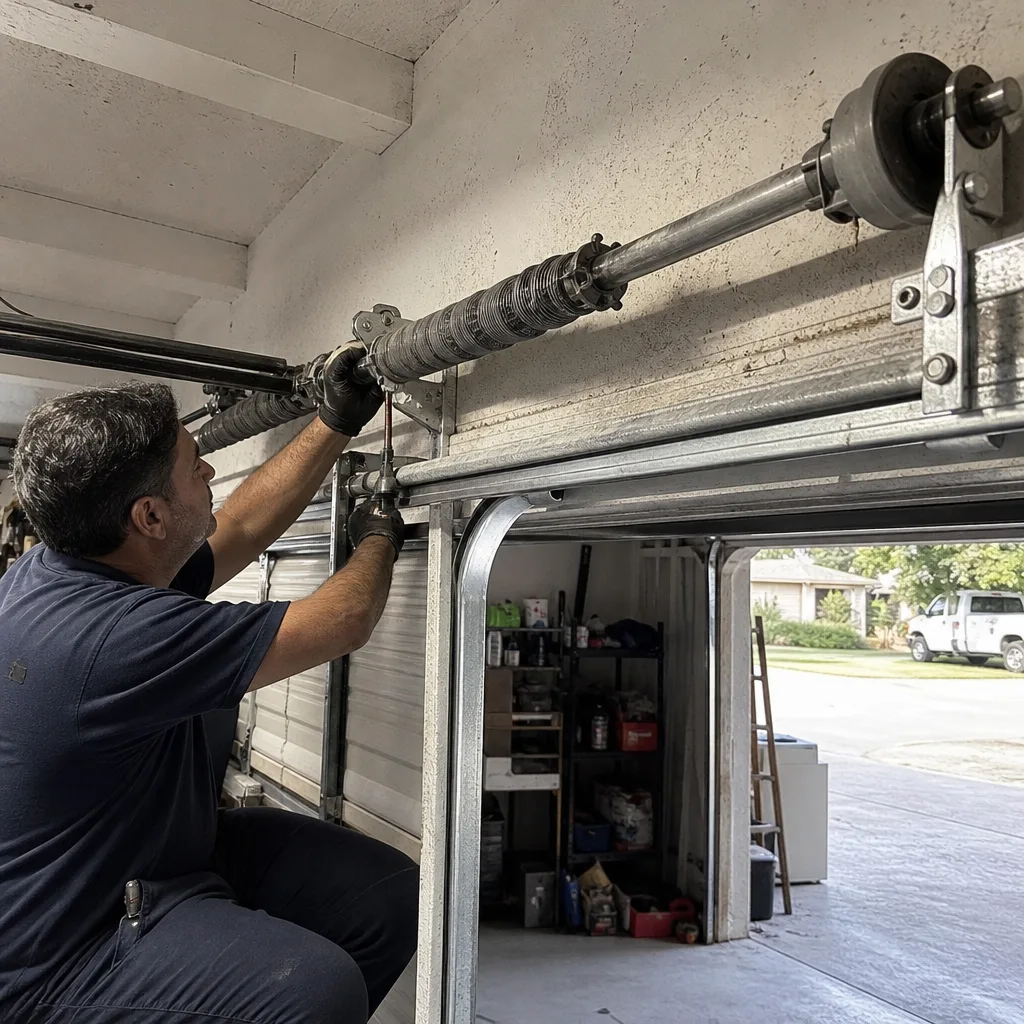 Before
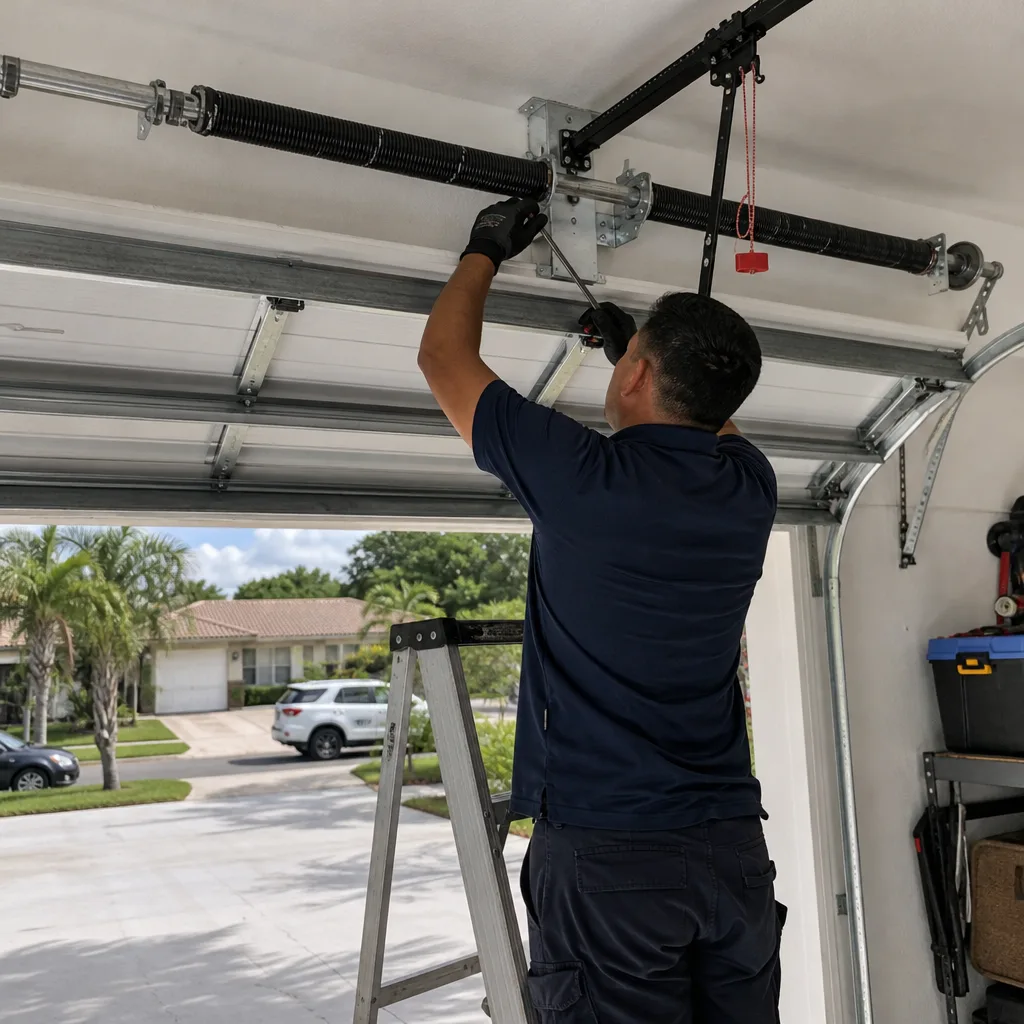 After
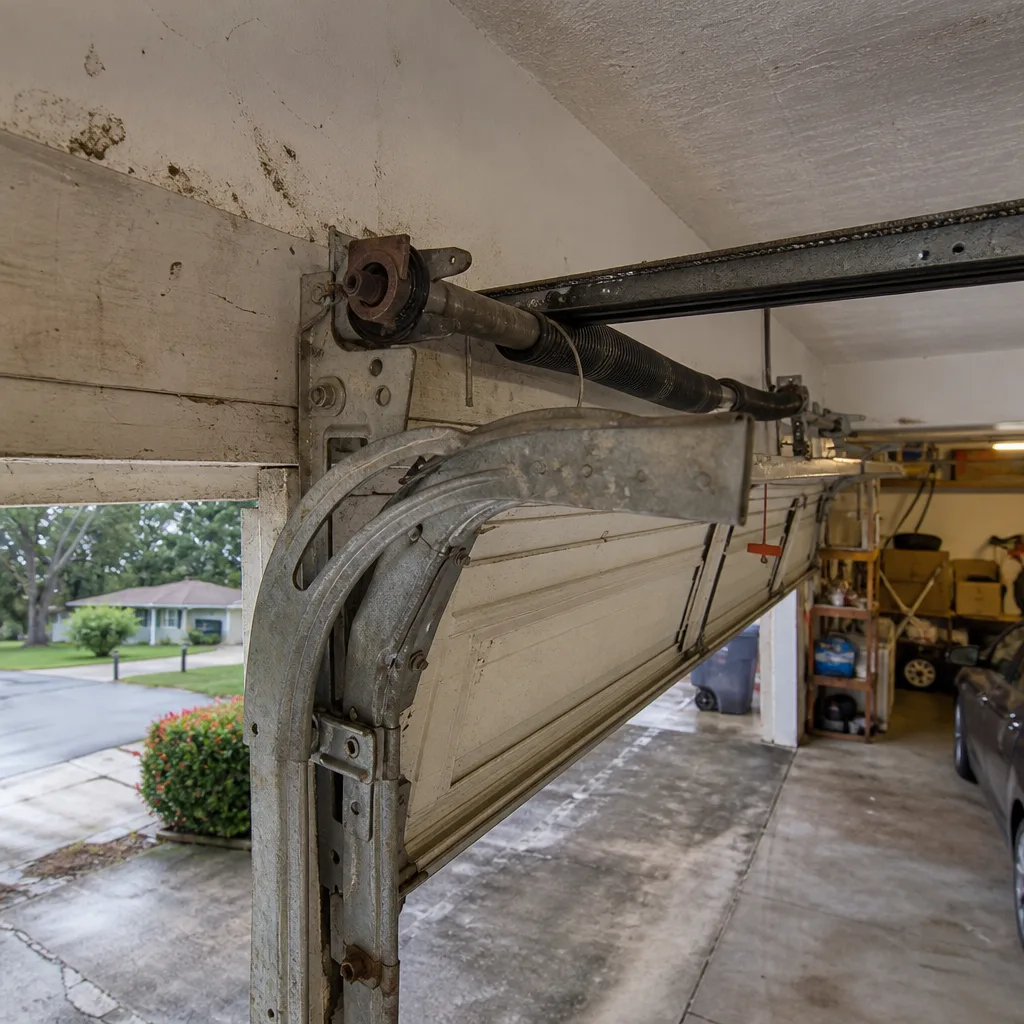 Before
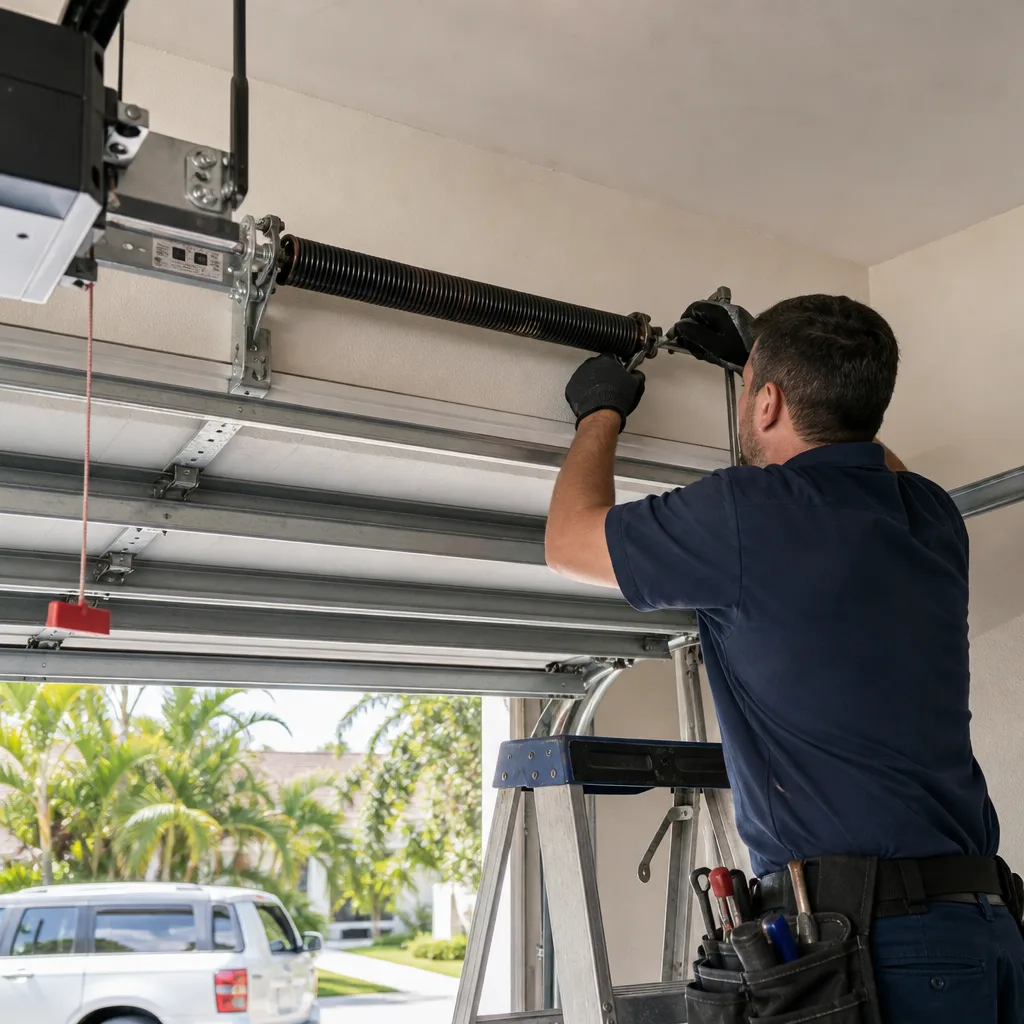 After
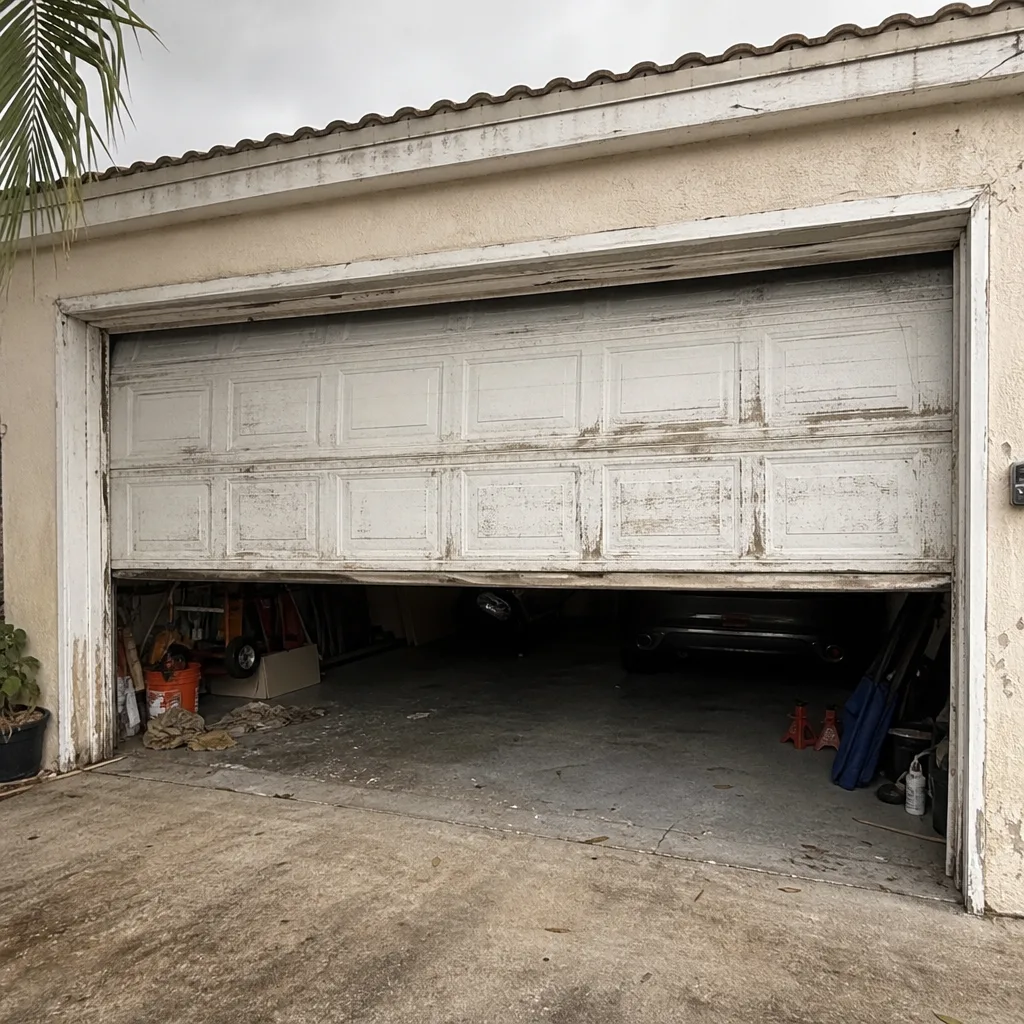 Before
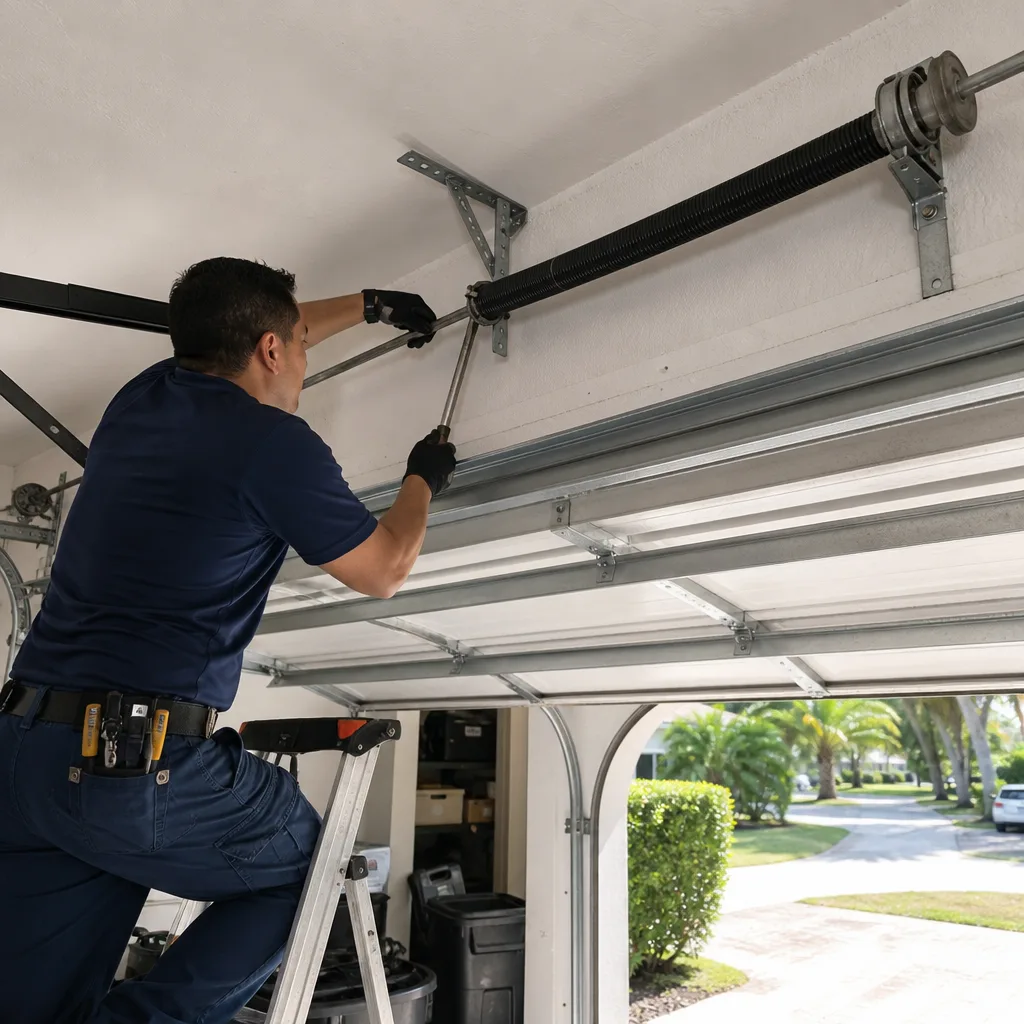 After