

Last updated October 31, 2026
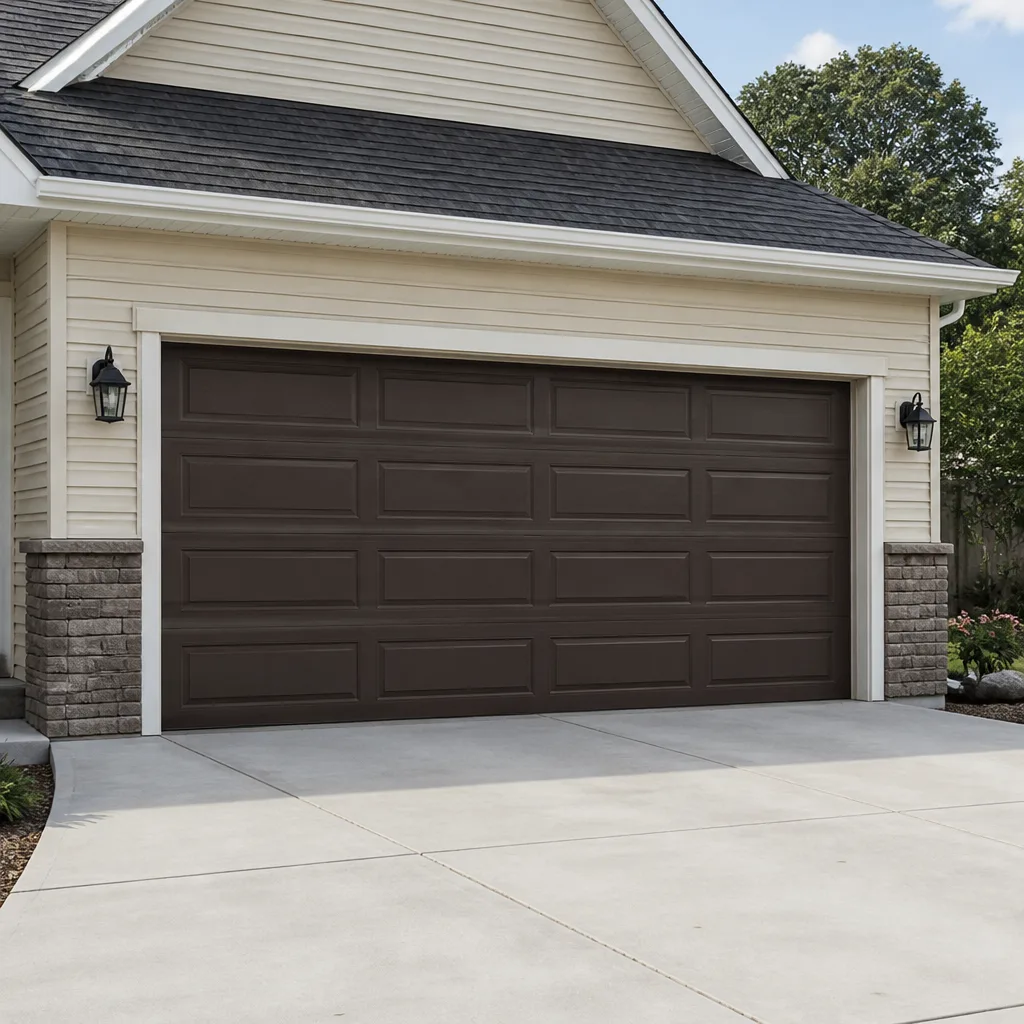 Raised-panel steel
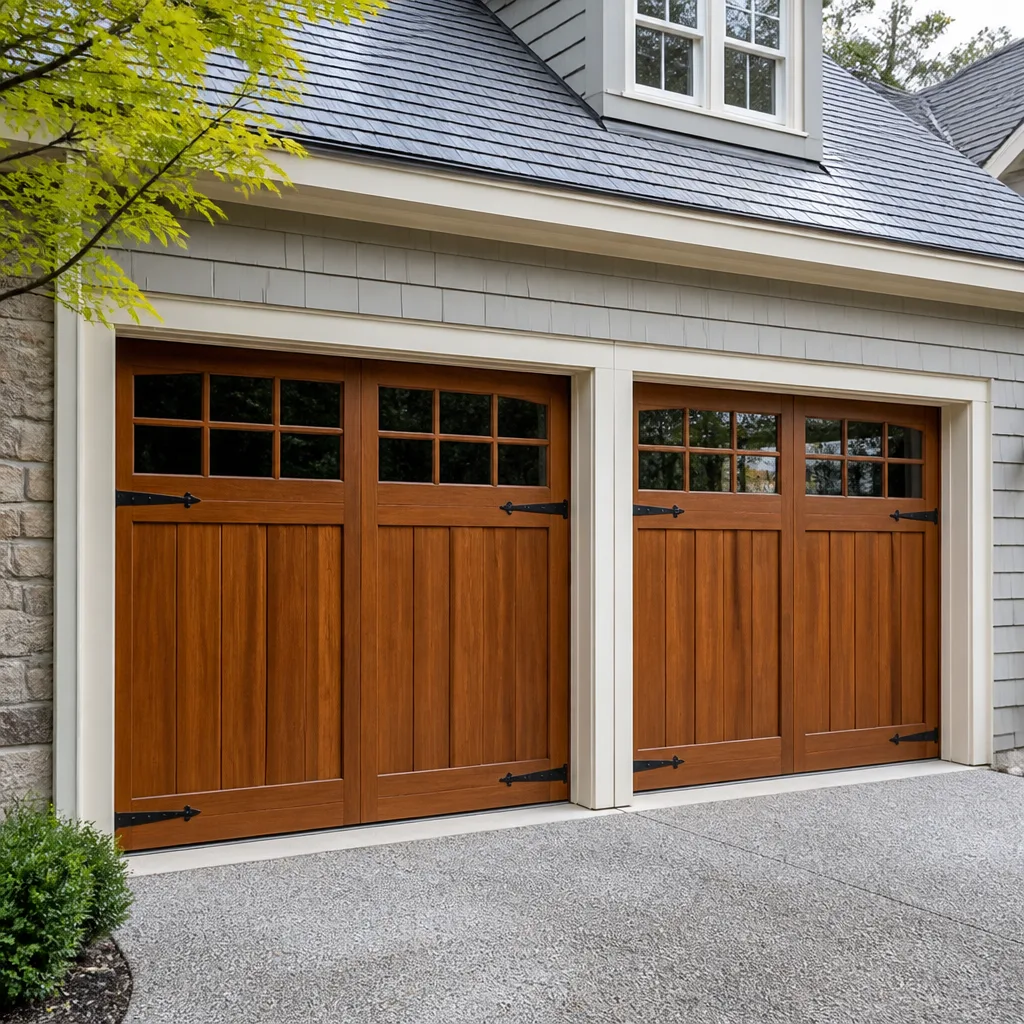 Carriage house
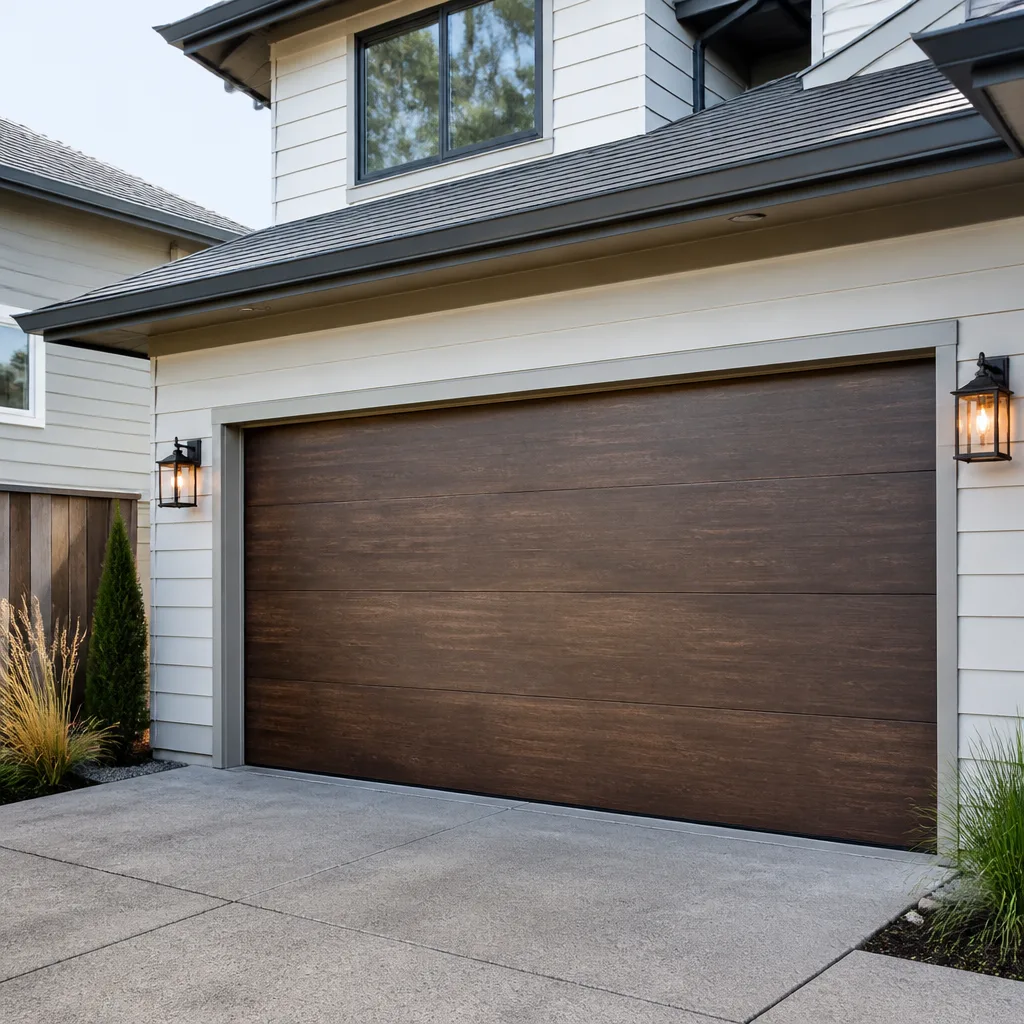 Modern flush
 Full-view glass
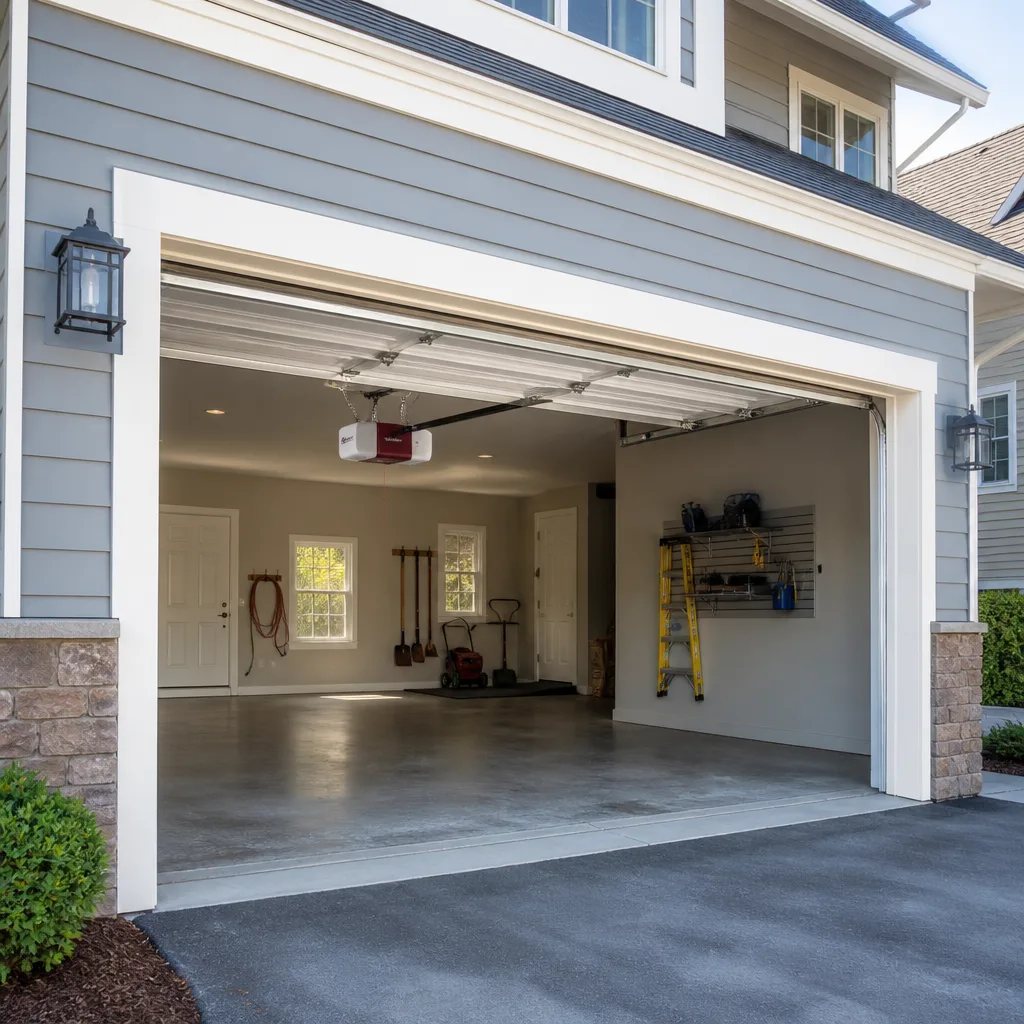 LiftMaster openers
 Chamberlain openers
Full 25-point door and opener safety check with every visit - springs, cables, rollers, tracks, and your LiftMaster or Chamberlain opener included
You get a price before we start. It does not change when the truck arrives.
Get your free estimateGarage Door Permits, Codes & Inspections in FL: What You Need to Know
In Miami-Dade County, replacing your existing garage door with a structurally identical model still requires a permit if the original door was never Miami-Dade approved. That single sentence has caught more Florida homeowners off guard than any other rule in residential construction. A garage door looks like a simple swap: unbolt the old, bolt in the new. But in Florida, and especially in the high-velocity hurricane zone that covers Miami-Dade and Broward, that door is classified as part of the structural envelope of your home. It has a wind-load rating to meet, a product approval number to carry, and an inspection record that will follow the property. This guide walks through the actual permit thresholds, the Miami-Dade rules that override the Florida Building Code defaults, what inspectors check and when, and what unpermitted work costs you when the next storm or sale arrives.
Quick Answer
In Florida, a permit is required when a garage door is replaced, not when it’s repaired or when only the opener is swapped. Miami-Dade County’s High-Velocity Hurricane Zone (HVHZ) rules raise the bar further: the replacement door must carry a current Miami-Dade or Florida Product Approval, and the installation must pass a county inspection. Repairs to springs, tracks, panels, and openers typically fall under maintenance and do not trigger the permit requirement.
Styles & brands we work with
Table of Contents
- Florida Permit Basics: Replacement vs. Repair vs. Opener
- How Miami-Dade’s HVHZ Rules Override the Florida Building Code
- Miami-Dade Product Approval vs. Florida Product Approval: Why They’re Not the Same
- The Inspection Sequence: Rough-In, Final, and What the Inspector Actually Checks
- Permit Costs and Timelines in Miami-Dade
- Consequences of Unpermitted Work: Insurance, Resale, and Storm Liability
- How to Confirm Your Existing Door Is Compliant
- Common Mistakes to Avoid
Florida Permit Basics: Replacement vs. Repair vs. Opener
Florida’s residential code, specifically the Florida Building Code (FBC) Residential volume, treats a garage door as part of the building’s exterior envelope. That classification drives everything. When you replace the door, you are altering a structural component, which means a building permit is required before the work starts. When you repair components of the existing door, you are performing maintenance, which requires no permit. The distinction matters.
Here’s where the line falls in practice, based on what we see across Miami-Dade, Broward, and Palm Beach counties:
- Full door replacement (panels, tracks, springs, everything): Permit required. This is structural work in the eyes of the code, regardless of whether the new door looks identical to the old one.
- Replacing just the opener motor or the opener rail: No permit required in almost every Florida jurisdiction. The opener is mechanical equipment, not the structural door.
- Spring replacement (torsion or extension): No permit. This is a repair to an existing door.
- Track replacement or realignment: No permit, provided you’re repairing the existing system rather than installing a new door.
- Panel replacement on an existing door: This one is gray. Replacing one damaged panel is generally treated as repair. Replacing all panels while keeping the old tracks and springs can be interpreted as a door replacement, and some inspectors will flag it. If you’re replacing more than half the panels, we tell Miami homeowners to assume a permit is needed and confirm with the building department.
The logic is simple enough: a door repair keeps the original structure in service. A door replacement changes what’s holding the opening together, and Florida’s wind-load standards demand documentation for that change. Swing by the Craftsman Garage Door Repair home page if you want to see how system-level repairs fit into a broader maintenance picture. But the replacement-versus-repair threshold is the first and most important distinction.
There’s a second layer most guides skip: unincorporated areas versus incorporated municipalities. If you live in unincorporated Miami-Dade, you file with the county’s Building Department. If you live inside a city like Miami, Coral Gables, Hialeah, or Homestead, you file with that city’s building department, which applies Miami-Dade’s HVHZ product approval rules through its own permitting office. The city contract, forms, and fees differ. The underlying wind-load requirement does not.
How Miami-Dade’s HVHZ Rules Override the Florida Building Code
Miami-Dade and Broward counties sit inside what the Florida Building Code calls the High-Velocity Hurricane Zone, or HVHZ. The HVHZ is not a recommendation layered on top of the FBC. It is a separate section of the code that replaces the standard wind-load provisions for these two counties. If you install a garage door in Miami, you are not meeting the general Florida wind standard. You are meeting the stricter HVHZ standard.
What does that mean in practical terms for a garage door installed in Miami or anywhere else in Miami-Dade County? Three things matter most:
- Wind-load rating: The door and its anchoring system must be rated for the wind pressures specific to the location. That rating is not chosen by the installer. It comes from the product approval documents, which are tied to the exact door model, size, and installation method.
- Product approval requirement: The door must carry a Notice of Acceptance (NOA) from Miami-Dade County or a Florida Product Approval number from the state. The two are not interchangeable in all situations, which the next section covers in detail.
- Anchoring and fastening: The door must be fastened to the structure using the exact anchors, spacing, and methods listed in the product approval. An installer cannot substitute a different anchor because it “looks stronger.” The approval document governs.
We see the consequences of this written across the garage doors of older Miami homes. A house built in the 1970s in Kendall or Palmetto Bay likely has a garage door with no approval documentation at all, because the NOA system didn’t exist when the door went in. That door is grandfathered until it’s replaced. The moment you replace it, the new door must meet current HVHZ standards, and the installer must pull a permit and schedule an inspection.
This is also why Garage Door Repair in Miami work almost never triggers a permit. Repairing a spring, swapping an opener, or realigning a track doesn’t change the structural opening, so the HVHZ requirements simply don’t apply. The door remains whatever it was before the repair.
Miami-Dade Product Approval vs. Florida Product Approval: Why They’re Not the Same
Homeowners shopping for a replacement door in Miami will encounter two sets of paperwork: the Miami-Dade Notice of Acceptance (NOA) and the Florida Product Approval (FPA). Both matter. They are not the same thing, and using the wrong one on a Miami-Dade permit can stall an inspection for weeks.
A Miami-Dade NOA is a product approval issued by the Miami-Dade County Building Department. It certifies that a specific product, in a specific configuration, meets the HVHZ wind-load requirements. The NOA covers the exact door model, the exact size limitations, and the exact anchoring schedule. An NOA is effectively the gold standard for wind-resistance paperwork in Florida, because the HVHZ standards it certifies are the strictest in the state.
The Florida Product Approval is issued by the Florida Department of Business and Professional Regulation. It certifies compliance with the Florida Building Code’s standard wind-load provisions, which apply to most of the state outside the HVHZ. A product with an FPA but no Miami-Dade NOA is legal to install in Orlando, Tampa, Jacksonville, and most of the rest of Florida. It is not automatically legal in Miami-Dade or Broward.
The practical rule for Miami homeowners: if the door carries a current Miami-Dade NOA, you’re covered everywhere in the county. If it carries only an FPA, you need to check whether the manufacturer filed for and received Miami-Dade acceptance separately. Reputable door manufacturers like Clopay and Amarr maintain Miami-Dade NOAs for their wind-rated product lines because they sell heavily into South Florida. But not every model in their catalog carries an NOA.
We’ve had Miami homeowners ask whether they can buy a cheaper door online and install it with a permit. The answer is usually no, and the reason is the product approval, not the installation quality. If the door has no NOA, the building department won’t even process the permit. The door doesn’t fail inspection. It fails before the job starts. That’s the piece most online door retailers don’t explain, and it’s the piece that leaves homeowners with a non-compliant door and a permit they can never close.
The Inspection Sequence: Rough-In, Final, and What the Inspector Actually Checks
Garage door installations in Miami-Dade follow a two-part inspection process under most residential permits. The first is the rough-in inspection, sometimes called the anchoring inspection. The second is the final inspection. Understanding what each one covers will save you from surprises.
Rough-in inspection. This happens after the door is hung but before the project is finished. The inspector is checking the anchoring and fastening pattern against the product approval documents. Specifically:
- That the track brackets, hinge brackets, and jamb brackets are fastened using the type and number of anchors listed in the NOA.
- That the fasteners are placed at the correct intervals and into the correct substrate (concrete block, poured concrete, or wood framing).
- That the door model and size match the door listed on the permit application and the product approval.
- That any reinforcing struts or wind-load hardware shown in the NOA are installed.
The rough-in inspection is where we see the most failures in Miami-Dade. The failure is rarely the door itself. It’s the anchoring. An installer who skips a fastener or substitutes a shorter concrete screw to save time will fail the rough-in, and the correction means pulling the door back out of the opening.
Final inspection. This happens once the door is fully installed, the opener is mounted, and the job is complete. The inspector checks:
- That the door balances properly and opens and closes under its own spring tension.
- That the safety reversal system (the auto-reverse) functions on both the bottom edge sensor and the photo-eye system.
- That the door seals correctly against the jambs and header.
- That the permit card or job documentation is posted and the approved plans match the as-built installation.
A full replacement in Miami-Dade typically requires both inspections, though some municipalities consolidate them for straightforward projects. The permit office will tell you which applies. Our advice to Miami homeowners considering Garage Door Installation in Miami is to ask any installer two questions before signing: “What’s the product approval number for this door?” and “Have you passed a Miami-Dade rough-in inspection before?” The answers tell you whether you’re hiring someone who pulls permits as routine or someone who avoids them.
Permit Costs and Timelines in Miami-Dade
Permit fees in Miami-Dade are modest relative to the cost of the door itself, which is why skipping the permit is a false economy. A typical residential garage door permit in Miami-Dade County runs between $150 and $400 depending on the municipality and the valuation of the work. Some cities add a flat processing fee. The county’s electronic permitting portal has reduced the wait for simple residential permits, but approval still takes anywhere from same-day for an express permit to two weeks for a standard review.
Here’s a rough breakdown of what Miami homeowners should budget for a full door replacement with permit:
| Item | Typical Cost in Miami-Dade |
|---|---|
| Building permit fee (residential door replacement) | $150 to $400 |
| Rough-in inspection | Included in permit fee |
| Final inspection | Included in permit fee |
| Wind-rated door (single-car, Miami-Dade NOA) | $1,100 to $2,400 installed |
| Wind-rated door (double-car, Miami-Dade NOA) | $1,800 to $3,600 installed |
| Reinforcing struts or wind-load hardware, if not standard | $120 to $350 |
The permit is the cheapest line item on a replacement job, and it’s the one that protects the rest of the investment. Timelines depend on the jurisdiction. The City of Miami processes garage door permits through its Building Department, and current turnaround for simple residential permits is often 3 to 5 business days. Miami-Dade’s unincorporated areas tend to be faster for express permits. Coral Gables and some smaller municipalities can run slower because of staffing.
One note on timing: the permit must be issued before the work begins. An installer who hangs the door first and pulls the permit later has already created a problem. The building department can flag unpermitted work in progress, and the inspection record gets messy. A legitimate installer files first, installs second, and schedules inspections as the job progresses.
Consequences of Unpermitted Work: Insurance, Resale, and Storm Liability
Unpermitted garage door replacements are common in Florida, and in Miami-Dade they carry consequences that most homeowners don’t appreciate until it’s too late. The costs fall into three buckets: insurance, resale, and storm liability.
Insurance claim denial. After a hurricane, the insurance adjuster’s first job is to verify that whatever failed was code-compliant and permitted. A garage door that was replaced without a permit is a door with no inspection record. If the door fails during a storm and damages the home, the insurer can and often does deny the claim on the grounds that the homeowner made a non-permitted modification to the structure. We’ve seen this play out in Miami-Dade after every major storm. The homeowner gets nothing for the door, and the damage it caused becomes an out-of-pocket expense.
Forced removal or retroactive permitting at resale. Miami real estate transactions are scrutinized for unpermitted work. Title companies and home inspectors routinely check the county’s permit database against the visible condition of the home. If the garage door was replaced without a permit, the seller faces a choice at the closing table: take a price reduction, obtain a retroactive permit (which often requires removing the door to inspect the anchoring), or the deal falls apart. We’ve met Miami homeowners who spent $2,000 on a no-permit door job and $5,000 fixing it when they sold the house.
Storm liability and personal exposure. A garage door that wasn’t anchored to HVHZ standards is a hazard during a hurricane. If the door blows out, the wind pressure inside the garage can lift the roof. That’s not a scary hypothetical; it’s the documented failure mode the HVHZ code was written to prevent. If your unpermitted door fails and your neighbor’s home is damaged, the liability question gets uncomfortable in a hurry. The permit isn’t a rubber stamp. It’s the paper trail that proves the door was installed to the standard the code demands.
The simple summary: in Miami-Dade, unpermitted garage door work is a known, documented, recurring cause of denied insurance claims and broken real estate deals. The permit costs a few hundred dollars. The alternative costs thousands and follows the property for years.
How to Confirm Your Existing Door Is Compliant
If you bought a home in Miami-Dade, you inherited whatever permit history came with it. Most homeowners have no idea whether their garage door was ever permitted, and the answer matters less while the door works and more the moment it needs replacing. Here’s the sequence we walk Miami homeowners through:
- Check the permit history. Miami-Dade County’s Building Department maintains a searchable permit database online. Enter your property address and look for a garage door permit in the history. If one exists, the door was likely permitted, though older permits may predate the current HVHZ requirements.
- Look for a product approval label. Miami-Dade NOA-compliant doors carry a label or sticker with the NOA number, usually on the inside of a door panel or on the end stile. It may be faded on an older door, but if it’s there, it’s proof the door was approved for HVHZ installation at some point.
- Ask during a repair visit. When we’re at a Miami home repairing a spring or an opener, homeowners often ask whether their door looks compliant. We can usually tell from the anchoring pattern and the installation quality whether the door was installed by someone who knew the HVHZ rules. It’s not a substitute for the permit record, but it’s a useful signal.
If the door has no permit history and no approval label, the next replacement should absolutely be permitted. The building department won’t require you to retroactively permit the old door; it will simply require the new one to meet current standards. That’s the moment to get it right, and following a Garage Door Repair Maintenance Checklist for Miami Homeowners can help ensure nothing is overlooked.
Common Mistakes to Avoid
- Assuming a repair needs a permit. Spring replacement, opener swaps, track realignment, and panel repairs are maintenance under Florida code. Pulling a permit for these is unnecessary. Skipping the permit for a full replacement is the mistake.
- Buying a door online without checking the NOA. A door that’s legal in Tampa or Orlando may have no Miami-Dade acceptance. The building department will refuse the permit, and the door becomes a very large paperweight.
- Using an unlicensed installer who “can do it cheaper.” In Miami-Dade, the installer must be licensed to pull the permit. An unlicensed operator cannot file, which means your job is unpermitted by default, and the consequences land on you.
- Waiting to pull the permit until after the door is hung. The permit must be issued before the work starts. Filing after the fact means explaining the sequence to the building department, and some will require the door to come out for inspection of the anchoring.
- Confusing the rough-in and final inspections. They check different things. Rough-in verifies the anchoring against the NOA. Final verifies the operation, safety reversal, and completion. Missing the rough-in means the final cannot proceed in most Miami-Dade municipalities.
- Ignoring the product approval on an “identical” replacement. In Miami-Dade, a structurally identical replacement still must carry a current NOA or FPA. If the original door was never approved, the replacement must be. There’s no grandfathering for the new door based on the old one’s appearance.
When to Call a Professional
If your garage door needs a full replacement in Miami-Dade, the permit process is part of the job, and the installer should handle it from filing to final inspection. If you’re unsure whether a planned repair crosses the line into replacement territory, or whether your existing door carries a Miami-Dade NOA, a professional can check the door and the permit history in one visit. If you’re buying or selling a Miami home and the garage door has no permit record, get it evaluated before the closing table forces the issue. Craftsman Garage Door Repair offers free estimates in Miami. We work on the brand you already have, from springs to smart openers, and we’ve handled enough Miami-Dade permits to make the paperwork the least stressful part of the job. Call (844) 734-6077 to schedule a free estimate.
See the difference
 Before
 After
 Before
 After
 Before
 After
Frequently Asked Questions
Yes, in most Florida jurisdictions, a permit is required to replace a garage door. The Florida Building Code treats a garage door as part of the structural envelope, and replacement is a structural alteration. Repairs to the existing door, including spring replacement and opener replacement, do not require a permit.
No, replacing a garage door opener does not require a permit in Miami-Dade. The opener is mechanical equipment, not a structural component. If you’re also replacing the door itself, the door portion requires a permit. For help with an opener replacement, Garage Door Opener Repair in Miami covers the full range of opener brands we service.
The Miami-Dade NOA is a Notice of Acceptance issued by the county for products that meet High-Velocity Hurricane Zone wind-load standards. Any garage door installed in Miami-Dade must carry a current NOA or a Florida Product Approval, and the installation must follow the anchoring specifications in that approval document. The requirement applies to every replacement door, regardless of what the old door looked like.
A residential garage door permit in Miami-Dade typically costs between $150 and $400, depending on the municipality and the valuation of the work. It is the least expensive part of a door replacement, and it protects against insurance claim denial and resale complications. Call (844) 734-6077 for a free estimate on a compliant door replacement.
Unpermitted door replacements in Miami-Dade can result in insurance claim denial after a storm, forced removal or retroactive permitting at resale, and personal liability if the non-compliant door fails in a hurricane. The retroactive permit process often requires removing the door to inspect the anchoring, which costs more than the original permit would have.
Yes, if the specific door model carries a Miami-Dade NOA or Florida Product Approval. Not all doors sold at home centers carry the approval, and the building department will refuse a permit for a door without one. Always check the product approval number before buying a door for a Miami-Dade home.
The Bottom Line
Florida’s garage door permit rules are a three-layer system: state building code, county amendments, and municipal overlays. Miami-Dade’s layer is the most restrictive in the state because of the High-Velocity Hurricane Zone designation. A permit is required for door replacement, not for repairs or opener swaps. The door must carry a Miami-Dade NOA or Florida Product Approval, and the installation must pass a rough-in and final inspection. Unpermitted work costs more than the permit ever would, in denied claims, broken sales, and storm liability. The good news: a door replacement done correctly, with the permit and the inspections, is a straightforward job that protects your home for decades. For ongoing care, explore our more guides & resources. That’s the standard the code demands, and the standard a craftsman should meet.
Written by the team at Craftsman Garage Door Repair, serving Miami since 2012.