

Last updated October 31, 2026
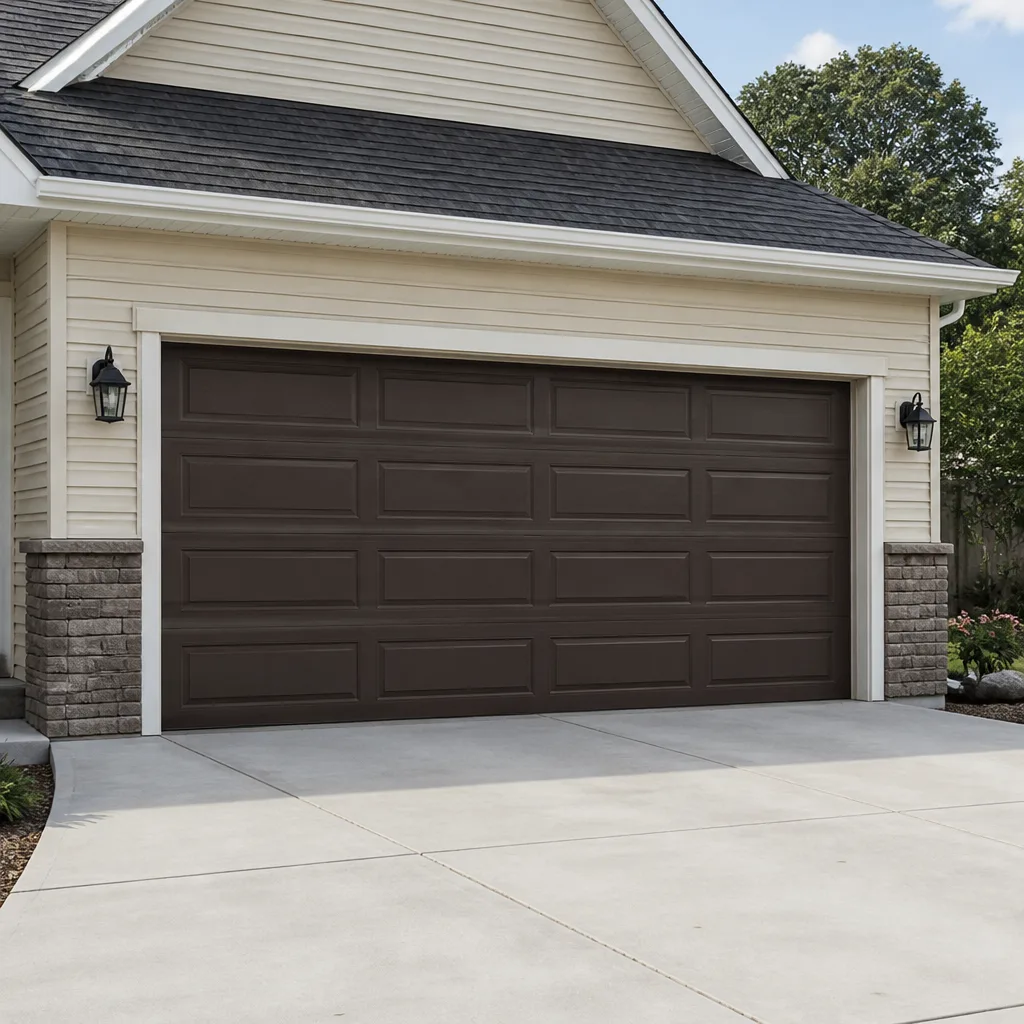 Raised-panel steel
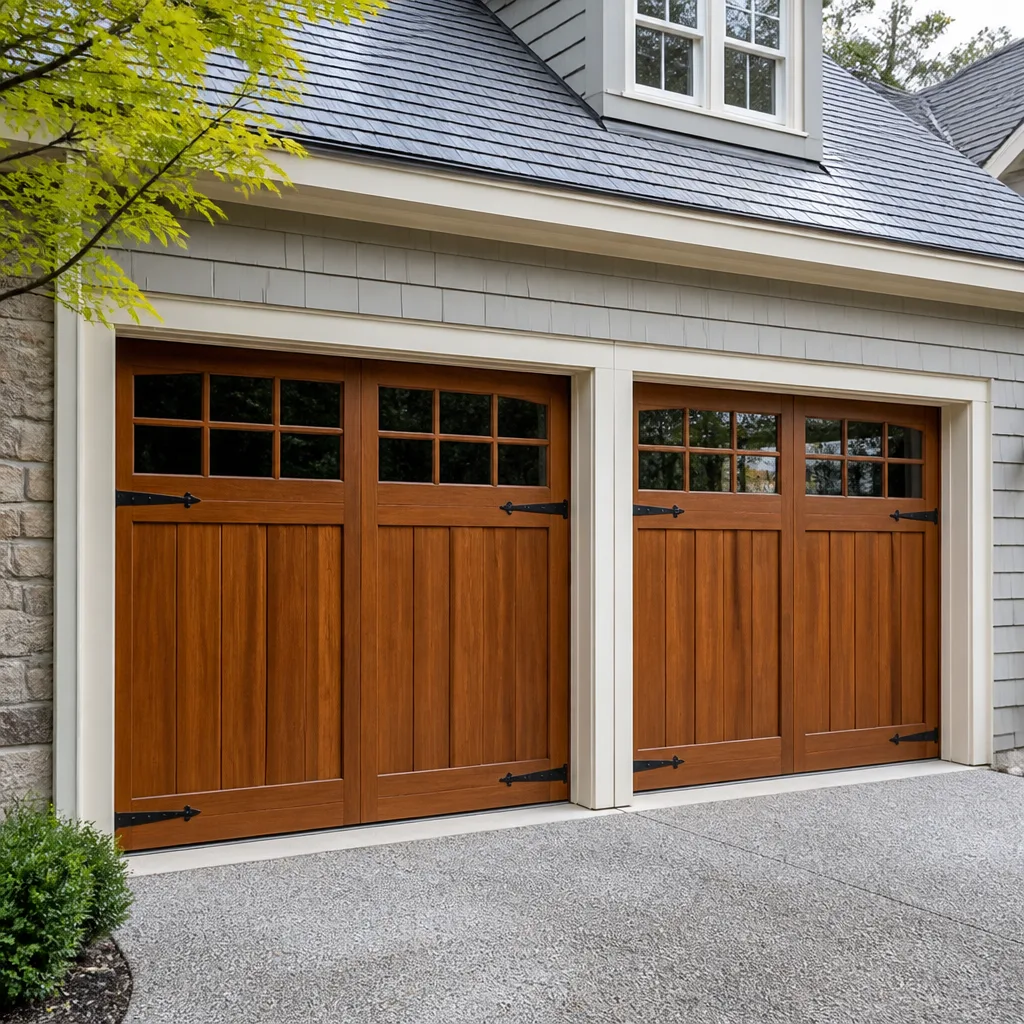 Carriage house
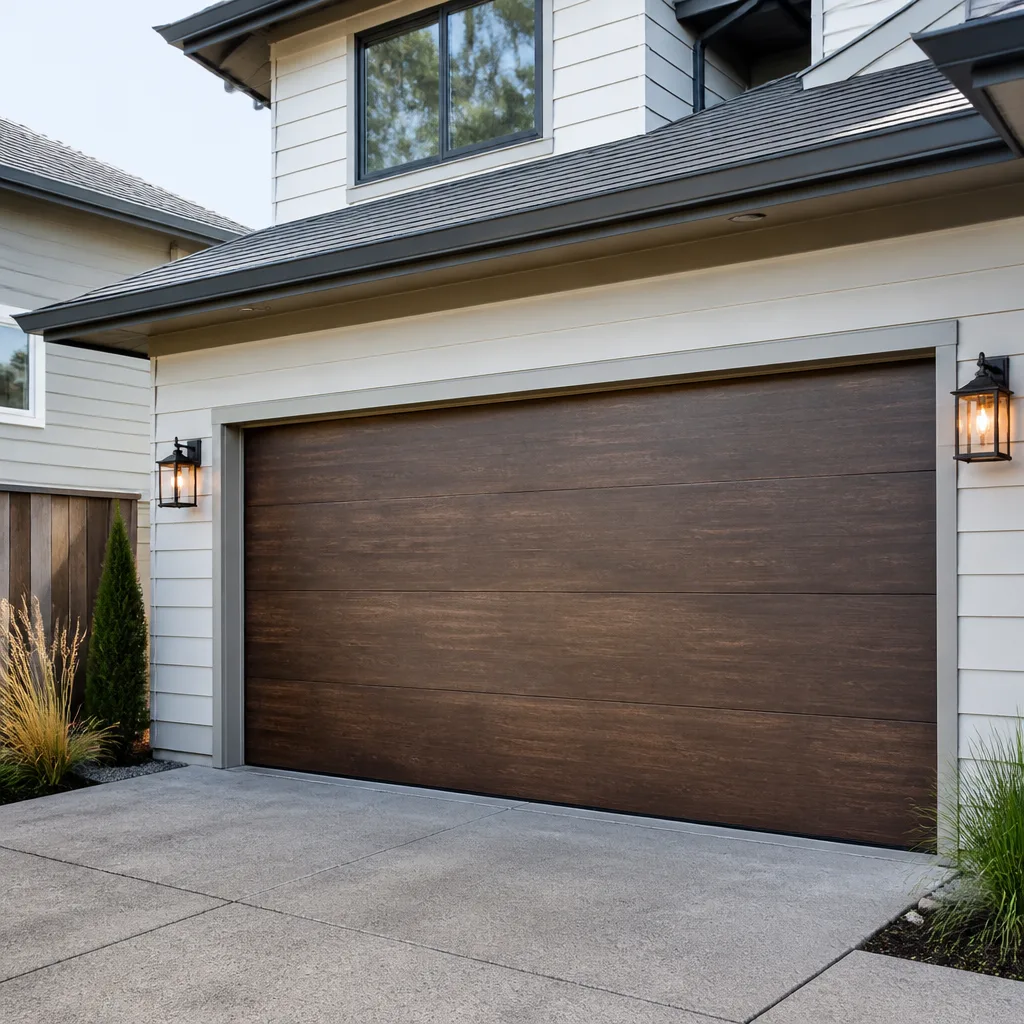 Modern flush
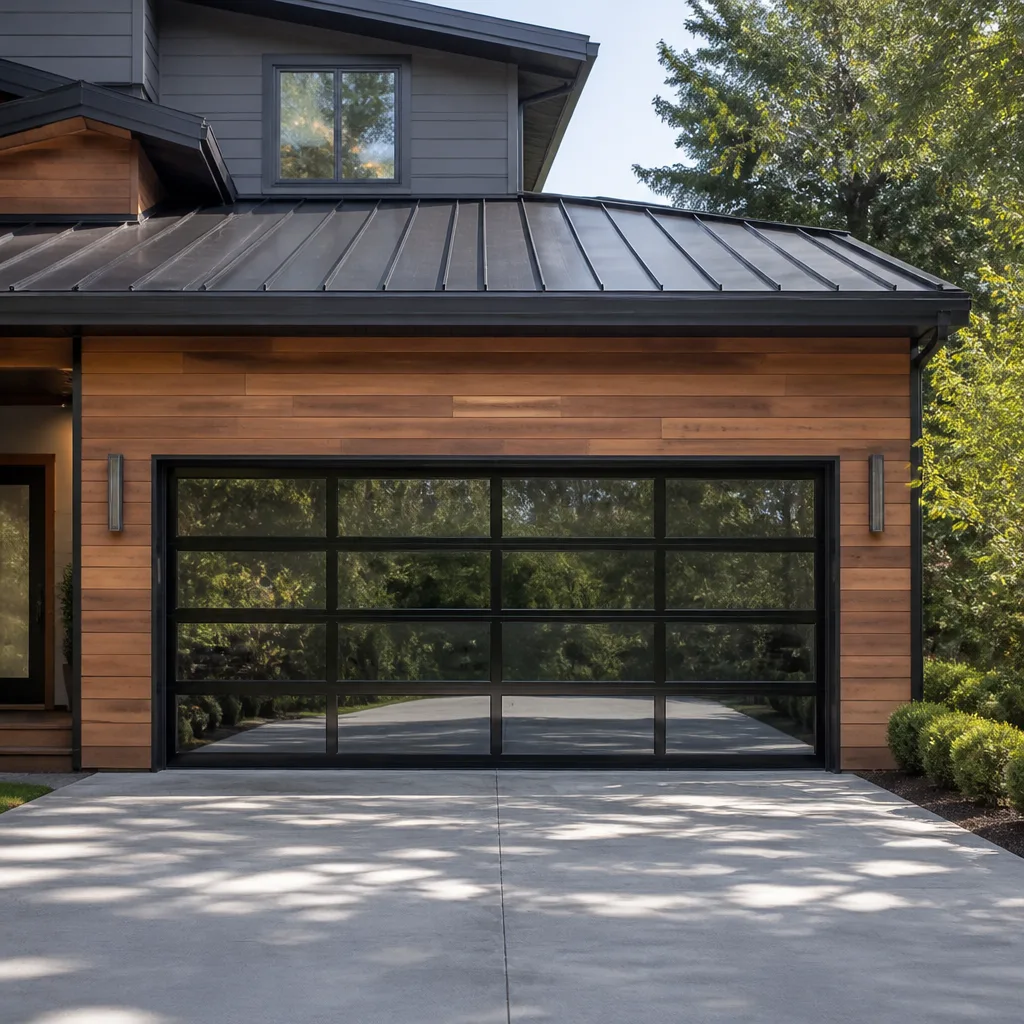 Full-view glass
 LiftMaster openers
 Chamberlain openers
Full 25-point door and opener safety check with every visit - springs, cables, rollers, tracks, and your LiftMaster or Chamberlain opener included
You get a price before we start. It does not change when the truck arrives.
Get your free estimateGarage Door Warning Signs: A Miami Homeowner’s Reference Guide
Most garage door warning sign guides were written for someplace like Ohio. They tell you a reversing door means misaligned sensors, a grinding noise means bad rollers, and a sagging panel means old springs. Those answers aren’t wrong, but they’re incomplete for Miami. Humidity that never drops below 70 percent, salt air that travels miles inland, and building codes written around hurricane wind loads change what your door is trying to tell you. This guide maps the symptoms you’ll see in your garage to the causes we actually find in Miami neighborhoods, from Kendall to Coconut Grove, and explains when a warning sign is a five-dollar fix versus a structural problem that needs a technician who knows what they’re looking at. For more guides & resources, see our blog.
Quick Answer
The most common garage door warning signs in Miami are: a door that reverses before fully closing, grinding or squealing during operation, visible sagging when open, slow response from the opener, and rust or corrosion on tracks and hardware. In coastal areas, salt-air corrosion is frequently the root cause of sensor and track issues that get misdiagnosed as mechanical misalignment. Any repeated reversal, loud metallic grinding, or visible spring gap should be checked by a professional, because garage door springs under tension are dangerous to handle without proper training and tools.
Styles & brands we work with
Table of Contents
- Why Your Door Reverses Before It Closes
- Grinding and Squealing: What the Sound Tells You
- Sagging Panels and the Spring Question
- Slow Response: When the Opener Isn’t the Problem
- Wind-Load Hardware: The Miami-Specific Inspection Points
- Warning Signs That Are Code Signals, Not Mechanical Failures
- Diagnosing a Failing Spring Before It Breaks
- Common Mistakes to Avoid
- When to Call a Professional
- Frequently Asked Questions
Why Your Door Reverses Before It Closes
A garage door that starts closing, then reverses back up before touching the ground is the single most common call we get in Miami. The standard explanation you’ll find online is that the photo-eye sensors on either side of the door are misaligned or blocked. That’s true in many cases. But in Miami, and especially in neighborhoods within a few miles of Biscayne Bay, there’s a second and more frequent culprit: corrosion on the sensor lenses themselves.
Salt air doesn’t need a direct ocean breeze. It travels inland with the humidity, settles on metal and glass surfaces, and over time forms a fine film on the photo-eye lenses. That film diffuses the infrared beam between the sensors. The opener reads a broken beam as an obstruction, and the door reverses. Homeowners in Coconut Grove, Coral Gables, and the eastern edge of Kendall see this more than people in Weston or Doral, but the pattern holds across most of Miami-Dade County.
A quick way to check: look at the sensor lenses. If they appear cloudy or have a whitish film, that’s environmental buildup, not misalignment. Wiping the lenses with a dry microfiber cloth often restores function temporarily. But the film returns. A technician who works in Miami regularly will clean the lens properly and check the sensor housing for corrosion where water has wicked into the wiring connections. If the housing is corroded, cleaning the lens only buys you a few weeks.
There’s also a mechanical cause of reversal that has nothing to do with sensors. If the door’s travel limits are set incorrectly, the opener thinks the door is hitting something when it’s actually reaching its normal closed position. This happens on older LiftMaster and Genie units after storms knock the settings out, or after power surges reset the opener’s motherboard. The fix is a limit adjustment, which takes about ten minutes. But if the door has been reversing for weeks, the repeated half-cycles have put uneven wear on the springs and rollers, so the limits usually need adjusting alongside a spring-tension check.
If you’re in a bayside neighborhood and your door has started reversing without any visible obstruction, the sensor corrosion pattern is more likely than misalignment. Our technicians see this constantly in homes east of US 1. It’s one of the reasons we recommend an annual inspection of the sensor housings and wiring, not just a visual check of the door panel. Learn more about our approach on the Garage Door Repair in Miami page.
Grinding and Squealing: What the Sound Tells You
A garage door making noise is never a good sign, but not all noise means the same thing. In Miami’s humidity, the distinction matters more than in dry climates because what sounds like a failing part is often a lubrication problem aggravated by moisture and heat.
A high-pitched squeal that happens every time the door moves is usually a roller or hinge that’s gone dry. Nylon rollers wear down their internal bearings; steel rollers without bearings squeak against the metal track. The humidity in Miami actually reduces static friction on the track surface, which can mask the early stages of roller wear. By the time the squeal is loud enough to hear from inside the house, the roller has often wobbled out of tolerance and started scoring the track. If you catch it at the squeal stage, replacing the rollers is straightforward. If the track gets scored, you’re looking at a more involved repair.
A lower grinding or rumbling sound, especially on a wooden or insulated door, points to something different: the torsion spring or the center bearing plate. The spring rotates on a stationary shaft. That shaft passes through a bearing plate in the middle of the door. Over time, the bearing wears down, and the shaft starts grinding against the plate. The sound is rhythmic, matched to the movement of the door. In Miami, where frequent storm cycles mean more ups and downs than seasonal climates, this bearing wears out faster than in a house where the door opens twice a day for a commute and stays closed on weekends.
Here’s a practical test we teach homeowners: stand inside the garage with the door moving and close your eyes. If the sound comes from the sides, it’s rollers or hinges. If it comes from above the center of the door, it’s the spring assembly or bearing plate. That distinction tells you whether you need a roller replacement or a spring-system service. A trained brand specialist can usually identify the part from the sound’s location and rhythm within the first thirty seconds of operation. They aren’t guessing between a Wayne Dalton torsion system and a LiftMaster jackshaft opener because the sound signatures are different.
Lubrication is part of this conversation, but it’s not a substitute for diagnosis. If the spring is making sporadic popping sounds while the door moves, lubricating it may quiet the symptom for a week. But a popping torsion spring is already binding internally. That’s a sign the spring is nearing the end of its cycle life. Springs don’t fail all at once from a single event; they fail over hundreds of cycles, and the sound tells you where you are in that progression.
Sagging Panels and the Spring Question
Look at your door when it’s fully open. Does it hang level, or does one section dip slightly toward the center of the opening? A visible sag is a warning sign people overlook because the door still opens and closes. But a panel that sags is a structural signal, and in Miami it usually traces back to one of three causes: weak torsion springs, broken struts, or rusted-through panel framing on older steel doors.
Torsion springs do the actual lifting. The opener motor isn’t designed to carry a door’s full weight; it’s designed to guide the door while the springs manage the load. When a torsion spring loses tension, the door gets heavier, and the opener works harder. You may not notice the added strain until the door sags on one side or the opener starts laboring with a deeper hum. If you run a LiftMaster or Chamberlain opener and hear it groaning more than it did six months ago, the spring is often the reason, not the opener.
Springs are rated in cycles. A standard spring from a builder-grade install is rated for around 10,000 cycles. That sounds like a lot until you realize a Miami household opens the garage three to five times a day on average, more if there’s a weekend boating or fishing habit. Ten thousand cycles is seven to ten years in most Miami homes. If your house was built in 2017 or earlier and the springs were never replaced, you are in the replacement window.
Here is a numbered inspection you can do without touching the springs:
- Open the door fully and step back. Look at the top edge. A door with healthy springs should sit parallel to the ground. A visible tilt means the spring tension is uneven.
- Look at the springs themselves. If you see a gap anywhere in the coil, that’s a broken spring. If the coil looks stretched with visible spaces between the coils, the spring is fatiguing.
- Check the struts. These are the horizontal braces bolted across the inside face of the top and bottom panels. In Miami, struts are required on most post-2002 installs for wind load. If a strut is bent or has pulled away from the panel, that’s a wind-load hardware failure, not a spring issue.
- Pull the manual release cord and try to lift the door by hand. A balanced door should lift with moderate effort and stay in place about halfway up. If it feels heavier than you remember, or if it drops fast when you let go, the springs need attention.
Do not attempt to adjust the springs yourself. Torsion springs carry enough stored energy to break bones or worse. A door that sags, feels heavy, or has an obviously damaged spring is a professional repair. We work on the brand you already have, from Clopay and Amarr panels to Wayne Dalton and Raynor spring systems, so the fix matches the existing hardware rather than forcing a full system replacement. If you’re considering a new install, read our guide on Choosing the Right Garage Door Brand: A Buyer’s Guide for Miami.
Slow Response: When the Opener Isn’t the Problem
You press the remote and the door waits a second or two before moving. Or it starts, stops, and restarts. Or the opener light flickers and the door moves at half speed. The knee-jerk assumption is that the opener motor is dying. But in our experience in Miami, a slow or hesitant door is more often an electrical issue or a load issue than a motor failure.
Let’s start with the most Miami-specific cause: humidity inside the opener housing. Garage door openers are not sealed units. They breathe through vents. When the humidity sits above 80 percent for weeks at a time, which is normal for Miami summers, condensation forms on the circuit board inside the opener. That moisture causes corrosion on the logic board, which can manifest as delayed response, intermittent operation, or a door that does the opposite of what the button commands. This can happen to a three-year-old unit. Opening the cover and finding green corrosion on the circuit board is a common finding.
The second cause is thermal overload. An opener that’s struggling to lift a heavy door draws more amperage and runs hotter. The overload protector shuts the motor down mid-cycle. It cools, resets, and the door works again for a while. Homeowners with an aging spring and a laboring opener will see this pattern in July and August, when garage temperatures in Miami push past 110 degrees and the motor’s cooling margin disappears. The fix isn’t a new opener; it’s restoring the door’s balance so the opener isn’t working against extra weight.
The third cause is capacitor failure in older units. A start capacitor gives the motor its initial kick. When it weakens, the door starts sluggishly but runs normally once moving. This is one of the rare cases where the opener itself is the problem, and it’s a component-level repair rather than a full replacement. That distinction matters. A brand-agnostic opener technician can replace a capacitor on a LiftMaster or Genie unit for a fraction of what a new opener costs. If a contractor tells you the whole unit needs replacing without opening the housing to inspect the board and capacitor, get a second opinion. See Garage Door Opener Repair in Miami for more on this.
Wind-Load Hardware: The Miami-Specific Inspection Points
Most of the country doesn’t think about wind-load hardware at all. In Miami, it’s not an optional upgrade. It’s required by the Florida Building Code for new installs and many replacements, and it’s the difference between a door that stays on its tracks through a Category 3 storm and one that blows in and turns your garage into a pressure bomb.
Wind-load hardware consists of several components that regular maintenance checklists skip:
- Struts: The horizontal U-channel braces bolted to the interior face of the panels. They stiffen the door against inward flexing under wind pressure. A missing or loose strut bolt is a structural weakness, not a cosmetic issue.
- Track anchors: The brackets that fasten the vertical and horizontal tracks to the wall and ceiling. These should be lag-bolted into framing, not drywall anchors. Rust at the bolt heads is a warning sign the fasteners are weakening.
- Center bearing plates: The plate that supports the torsion spring shaft at the midpoint of the door. If it’s flexing or the bolts are pulling out, the entire spring assembly is under stress it may not survive.
- Bottom brackets: The L-shaped brackets that connect the bottom corners of the door to the cables. These carry the door’s full weight when the springs are working. Any visible rust, bending, or play in these brackets is urgent.
Here’s the Miami reality: salt air accelerates rust on all of this hardware. Homes east of I-95 see mild surface corrosion within three to five years of a new install. Homes directly on the water in Cutler Bay or Key Biscayne may see pitting and fastener degradation sooner. An annual visual inspection is a real preventive step for coastal homeowners, and it should include checking the bolt holes for rust stains that indicate water intrusion into the panel or the wall behind the bracket. See our Seasonal Garage Door Care for Miami: Year-Round Homeowner’s Guide for a full maintenance schedule.
If your home was built before the 2002 code updates and the door has never been upgraded, the wind-load hardware may not be present at all. You’ll know if your door has no struts, if the track anchors look undersized, or if the door flexes inward when you press on it from outside with modest force. That flexing is the warning sign. A door that moves under hand pressure will move dramatically under hurricane-force wind.
This isn’t a fear tactic. It’s a code and insurance matter. Which brings us to the next warning sign category.
Warning Signs That Are Code Signals, Not Mechanical Failures
Some of the things a garage door does in Miami should trigger a code-compliance review, not just a repair call. This distinction matters because insurance companies, home inspectors, and buyers all scrutinize wind-load compliance in South Florida. A door that works fine mechanically can still be a significant liability.
Here are the warning signs that fall into the code-signal category:
- A door with no visible struts or reinforcement bars. For homes in Miami-Dade County built or renovated after 2002, wind-load rated doors are required. A pre-2002 door without struts may be grandfathered, but if you’re doing any permitted work or selling the house, you may have to bring it into compliance.
- Track anchors pulling away from the wall. Even a small gap between the bracket and the wall means the lag bolts are losing purchase. Under wind load, that bracket is a failure point.
- Photographs of the door for insurance documentation showing visible rust on the panels or hardware. Insurance carriers in Miami are increasingly strict about roof and opening protections. A door that shows significant corrosion may be flagged during a renewal inspection.
- An opener that disengages on its own or a manual release that’s difficult to pull. This can be an operational nuisance or a sign of a failing emergency release mechanism, which some municipalities check during point-of-sale inspections.
The important thing to understand: a mechanical repair and a code upgrade are different jobs. A door that’s mechanically fine but lacks wind-load certification may need reinforcement, not replacement. That’s a conversation a knowledgeable contractor should initiate when they see the equipment in person. Some companies quote a full door replacement because they don’t install reinforcement systems. We take the opposite approach. If the door can be brought into compliance with struts, stronger brackets, and proper anchoring, that’s the right fix, not the easiest upsell. This comes up often during pre-listing home inspections. For a full scope of what’s involved, our Garage Door Installation in Miami page covers both full replacements and compliance upgrades.
Diagnosing a Failing Spring Before It Breaks
The garage door spring is the part that fails without warning in most parts of the country. But the warning is actually there in Miami, if you know what to listen for and what to count. A spring that’s nearing the end of its life leaves evidence.
Sound indicators: A healthy torsion spring rotates with a consistent, low-grade hum. As the coil fatigues, the spring begins to bind against itself. You’ll hear a series of faint pops or creaks while the door moves, often described as the sound of an old mattress being sat on. These sounds come from the spring losing its internal spacing as the metal fatigues. Lubricating a popping spring quiets the symptom temporarily, but the metal is already failing internally. The pop is the warning.
Visual indicators: Walk to the center of the garage and look up at the spring. A healthy spring is a tight, continuous coil. A fatiguing spring shows visible gaps between coils, or the coil looks slightly elongated. If you see a gap anywhere, the spring has already broken and must be replaced. If the coils are clean but stretched, replacement is imminent.
Cycle counting: Every time the door opens and closes fully, that’s one cycle. Standard torsion springs are rated for 10,000 cycles. If your door opened and closed five times a day for eight years, that’s 14,600 cycles. The spring is past its rated life. Miami households use their doors more than most because the garage is often the primary entry point, the boat storage area, or the workshop. Counting cycles isn’t something anyone actually does, but you can estimate based on your habits. If you’re in the seven-to-ten-year range with the original springs, the safe answer is to have them inspected.
Here’s what a professional inspection includes, step by step:
- Visually inspect both springs for gaps, rust, and coil separation.
- Disengage the opener and manually cycle the door to feel for binding and weight imbalance.
- Check the center bearing plate for flexing or bolt loosening.
- Measure the spring against its original dimensions and wire gauge, which tells you exactly how much life the spring has used.
- Test the cable tension on both sides for evenness. Uneven cables mean the spring is losing uniform tension.
We do not recommend replacing only one spring when one fails. Both springs have the same cycle count, and the second will follow shortly. A brand-agnostic approach means we match the replacement spring to the existing system, whether it’s a Wayne Dalton TorqueMaster, a Raynor standard torsion, or a custom-wound spring for a heavier Clopay door. The repair should be done to a craftsman’s standard, which means the spring specs match the door’s weight and the cycle rating matches the household’s actual usage.
One more thing, and it’s not minor. A spring under full tension is not a DIY project. The stored energy in a torsion spring is enough to cause severe injury. If you suspect spring failure, leave the door closed and call a professional. This is one of the few times in home maintenance where the danger is real and immediate. The team at Craftsman Garage Door Repair can assess spring condition during a regular service call in Miami, and we’ll tell you honestly whether replacement is needed now or in six months.
Common Mistakes to Avoid
- Ignoring a noisy door because it still works. Every grinding or popping cycle adds wear to connected components. A fifty-dollar roller replacement today becomes a two-hundred-dollar track repair next year. The longer a failing part runs, the more collateral damage it causes.
- Spraying WD-40 on everything that squeaks. WD-40 is a solvent, not a garage door lubricant. It strips away the existing lubricant and attracts dust in Miami’s humid air, which turns into a grinding paste on the tracks. Use a silicone-based lubricant on rollers and hinges, and nothing at all on the torsion spring unless you know what you’re doing.
- Adjusting the springs or cables by hand. This is the most dangerous one on the list. Torsion springs are under enough tension to kill. Even a slipped wrench while the spring is loaded can cause a catastrophic release. No part of the spring system is a hand-adjust item.
- Dismissing sensor corrosion as a myth. Salt air damage to photo-eye sensors is a real, documented pattern in Miami’s coastal neighborhoods. If your door reverses intermittently and lives within three miles of the bay, check the lens film before assuming a misalignment problem.
- Waiting until after hurricane season to inspect wind-load hardware. The time to check struts, anchors, and bearing plates is May, not November. Once a storm track is heading toward Miami, contractors are packed and parts are scarce. An early-season inspection costs far less than a post-storm emergency repair.
- Buying the cheapest replacement part and calling it fixed. A discount spring with a 5,000-cycle rating will fail in three years under Miami usage patterns. Matching the part quality to the door’s role and the household’s habits is what separates a real fix from a temporary patch.
- Assuming a slow opener is a dead opener. We replace far more capacitors, limit switches, and corroded boards than we replace whole opener units. The diagnosis should happen before the quote, not after the new opener is ordered.
When to Call a Professional
You should call a professional the moment you see a visible gap in a spring, hear a loud bang or snap from the spring area, or notice the door sagging in a way it didn’t before. Not sure who to trust? Read How to Hire a Garage Door Contractor in Miami: A Step-by-Step Guide first. Those are urgent failure signals. Beyond urgency, call for any of the signs in this guide that you can’t confidently diagnose yourself: persistent reversal in a coastal zip code, metallic grinding from the center of the door, repeated popping from the spring, visible rust on wind-load hardware, or an opener that hesitates and stalls in hot weather.
Craftsman Garage Door Repair offers free estimates in Miami at (844) 734-6077. We diagnose before we recommend, and we service the brand you already own rather than steering toward a replacement. That means the same technician who inspects a LiftMaster opener understands a Clopay wind-load door, because we carry knowledge across the full system. From springs to smart openers, the call is free and the answer will be specific.
Frequently Asked Questions
Garage door spring replacement in Miami typically runs between $180 and $340 for a standard torsion spring pair, depending on the door weight, spring cycle rating, and whether the job is a single-spring or dual-spring replacement. Coastal areas don’t add cost by themselves, but doors with heavy wood panels or custom sizes can push the price higher. Call (844) 734-6077 for an exact quote, and we’ll confirm the price before any work begins.
Yes, in most cases a broken spring, failed roller, or sensor issue can be diagnosed and repaired the same day, provided we have the parts on the truck. Our technicians in Miami stock common spring sizes, rollers, and sensor components to handle the majority of calls in a single visit. For a free estimate and availability today, call (844) 734-6077.
Yes, salt air contributes to a corrosion film on photo-eye sensor lenses that diffuses the infrared beam and causes false reversals. This is common in Miami homes within a few miles of Biscayne Bay, and it’s frequently misdiagnosed as a simple misalignment. A proper cleaning and inspection of the sensor housing addresses the root cause.
If you hear popping or creaking from the springs while the door moves, that’s internal coil binding and lubrication won’t fix it. If the springs look stretched with visible gaps or the door feels heavy when opened manually, the springs have reached the end of their cycle life. A technician can measure the spring and provide a replacement estimate on the spot.
No, a sagging panel can also be caused by a broken or missing strut, rusted-through panel framing, or worn bottom brackets. A sag that appears suddenly with a loud noise is usually a spring, while a gradual sag over months often points to structural hardware. A physical inspection is the only way to know for sure.
Yes, our trucks stock the most frequently needed parts for Miami service calls, including torsion springs, extension springs, rollers, hinges, sensors, and capacitors for major opener brands. If your repair requires a specific part we don’t have, we’ll get a lead time and give you the option before scheduling the repair. Call (844) 734-6077 to confirm availability for your specific door.
The Bottom Line
Your garage door talks to you. The sounds it makes, the way it moves, the way it hangs, and the rust that forms on its hardware are all signals. In Miami, those signals mean something a generic guide can’t tell you. A reversing door may be sensors, or it may be salt air eating at the lens. A slow opener may be a motor, or it may be a spring that’s been carrying extra weight for two years. The difference is in the diagnosis, and the diagnosis comes from knowing both the equipment and the environment. Learn the signs, check the inspection points, and when something needs attention, call someone who works on the brand you already have. The right fix, not the easiest upsell.
Written by the team at Craftsman Garage Door Repair, serving Miami since 2012.
See the difference
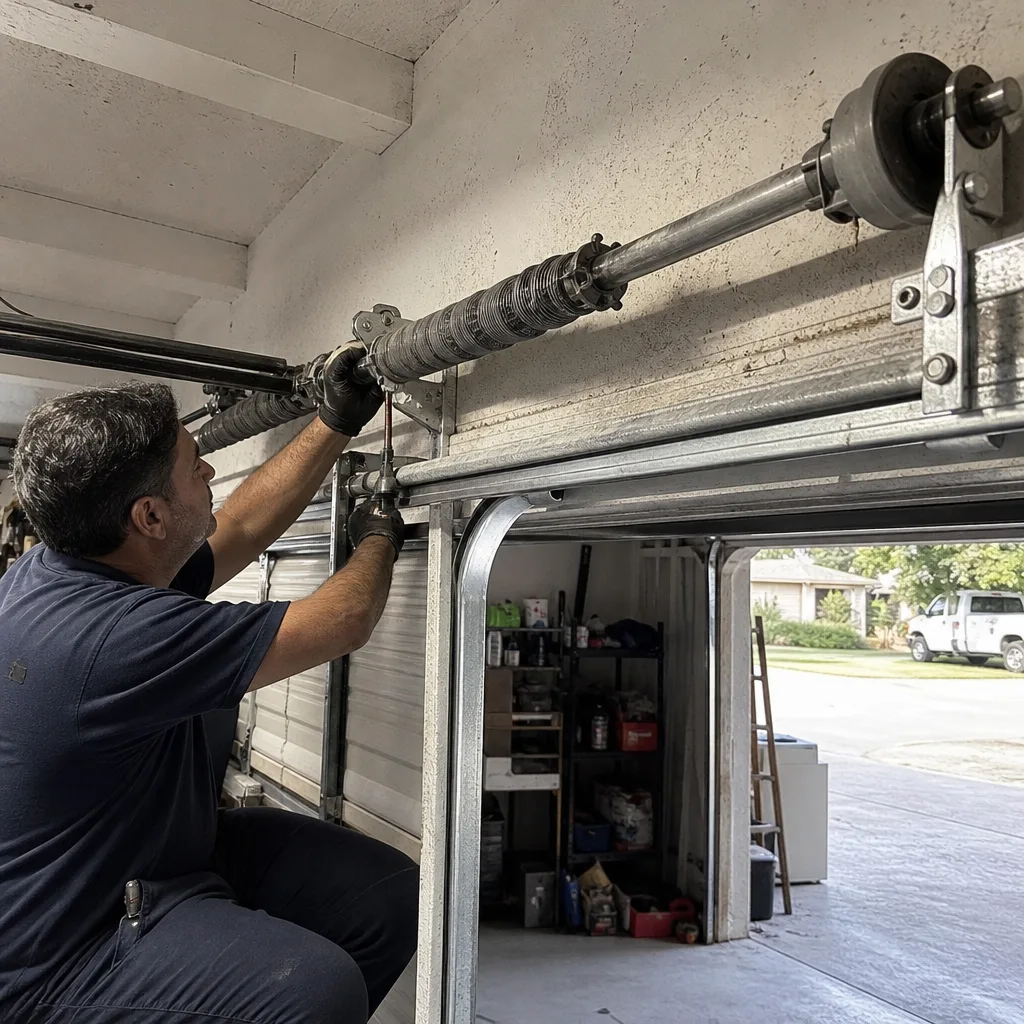 Before
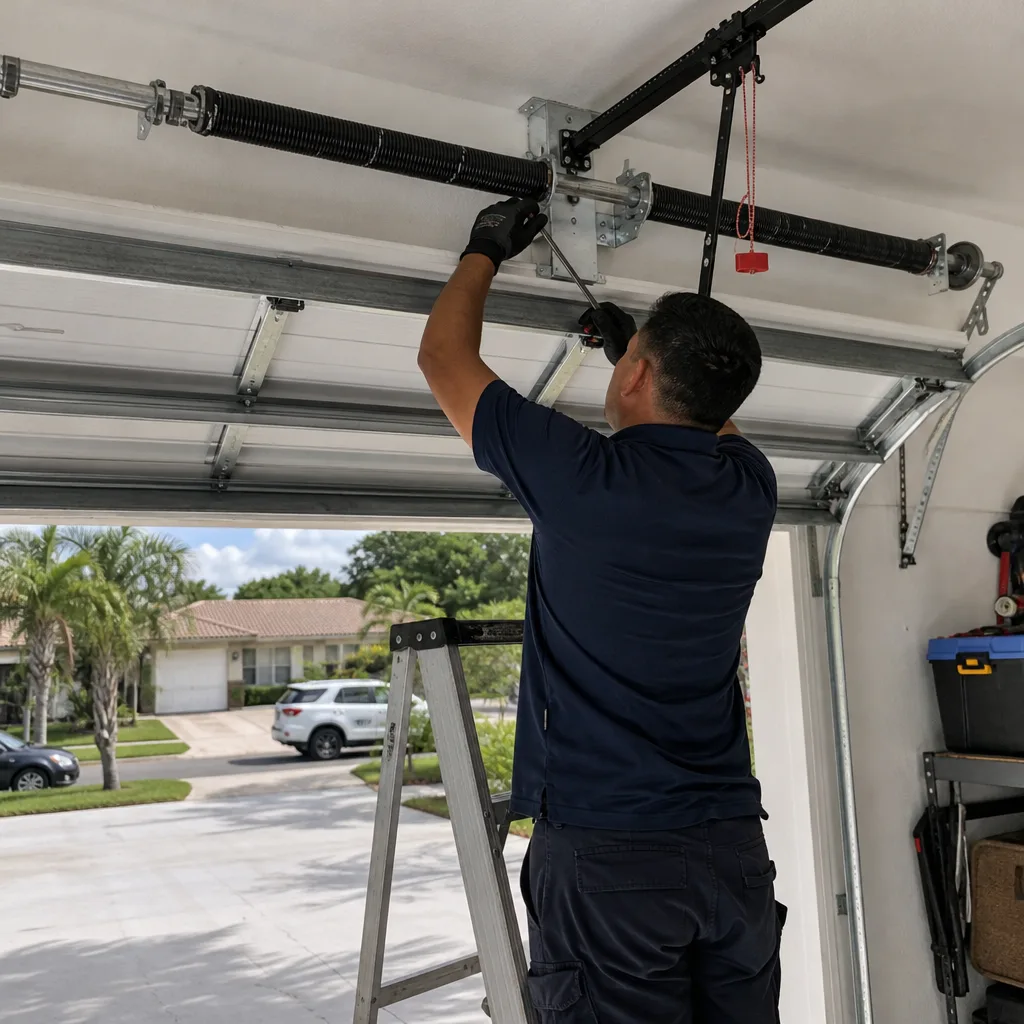 After
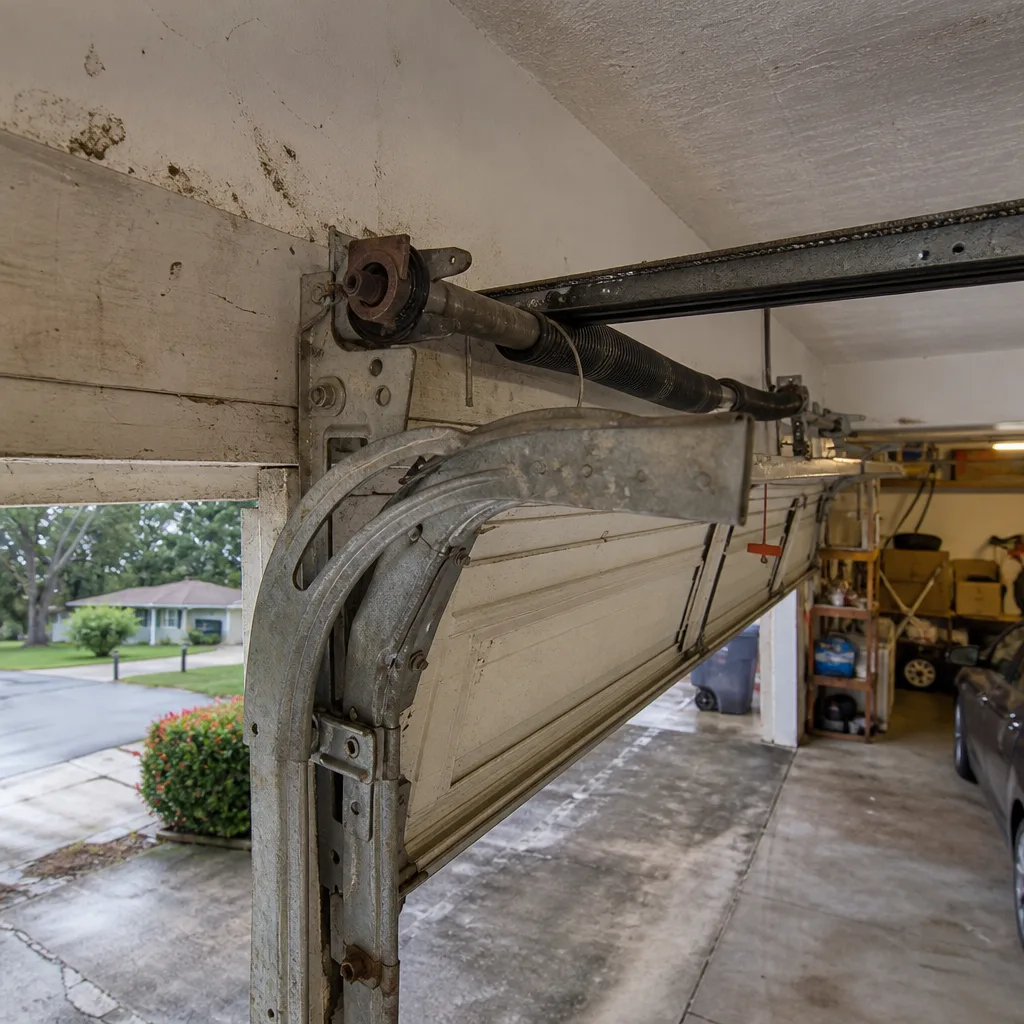 Before
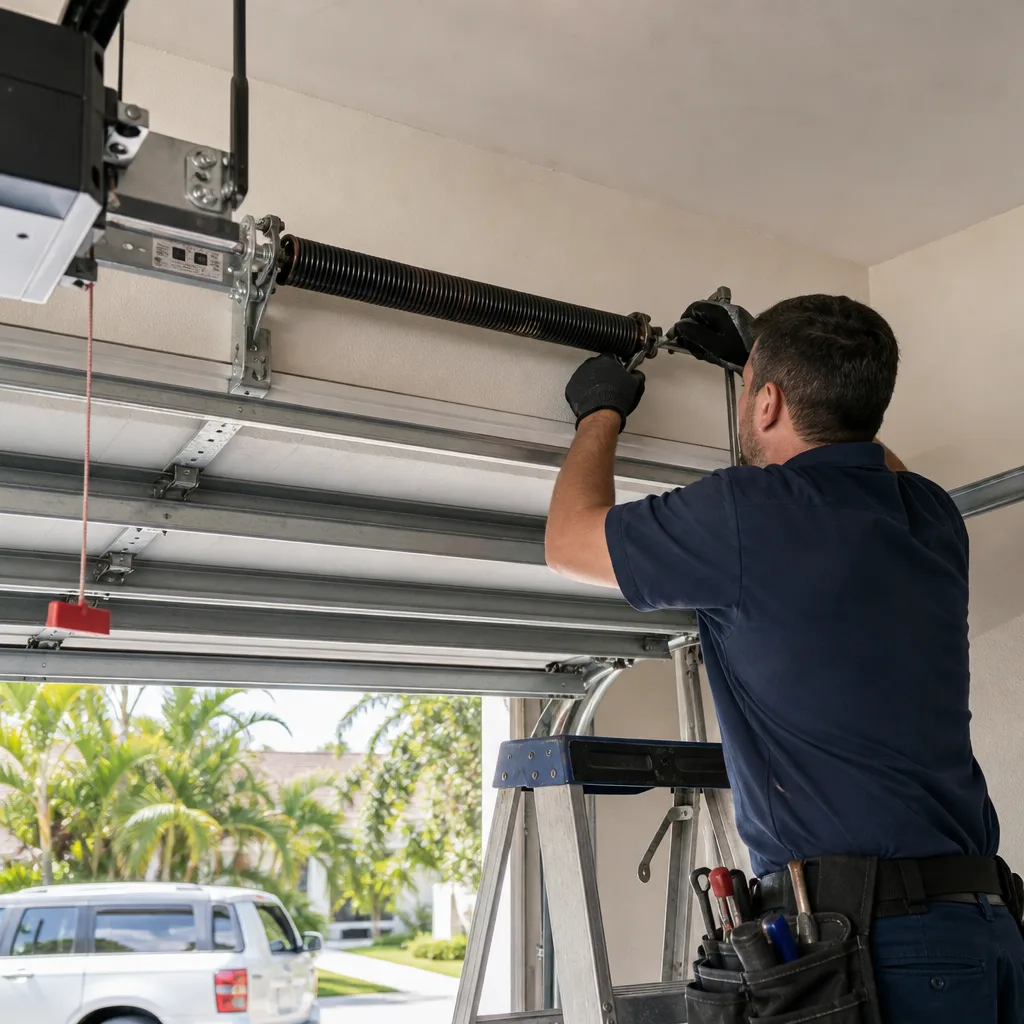 After
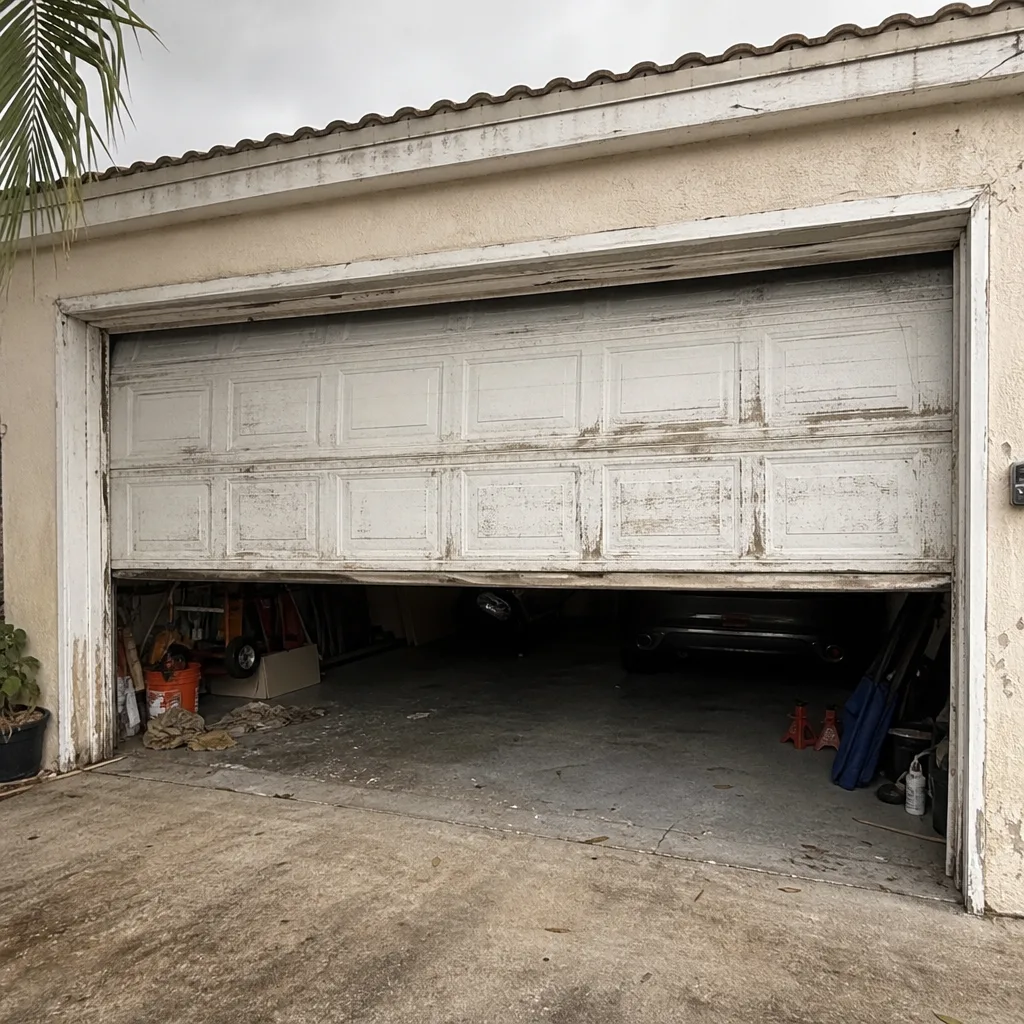 Before
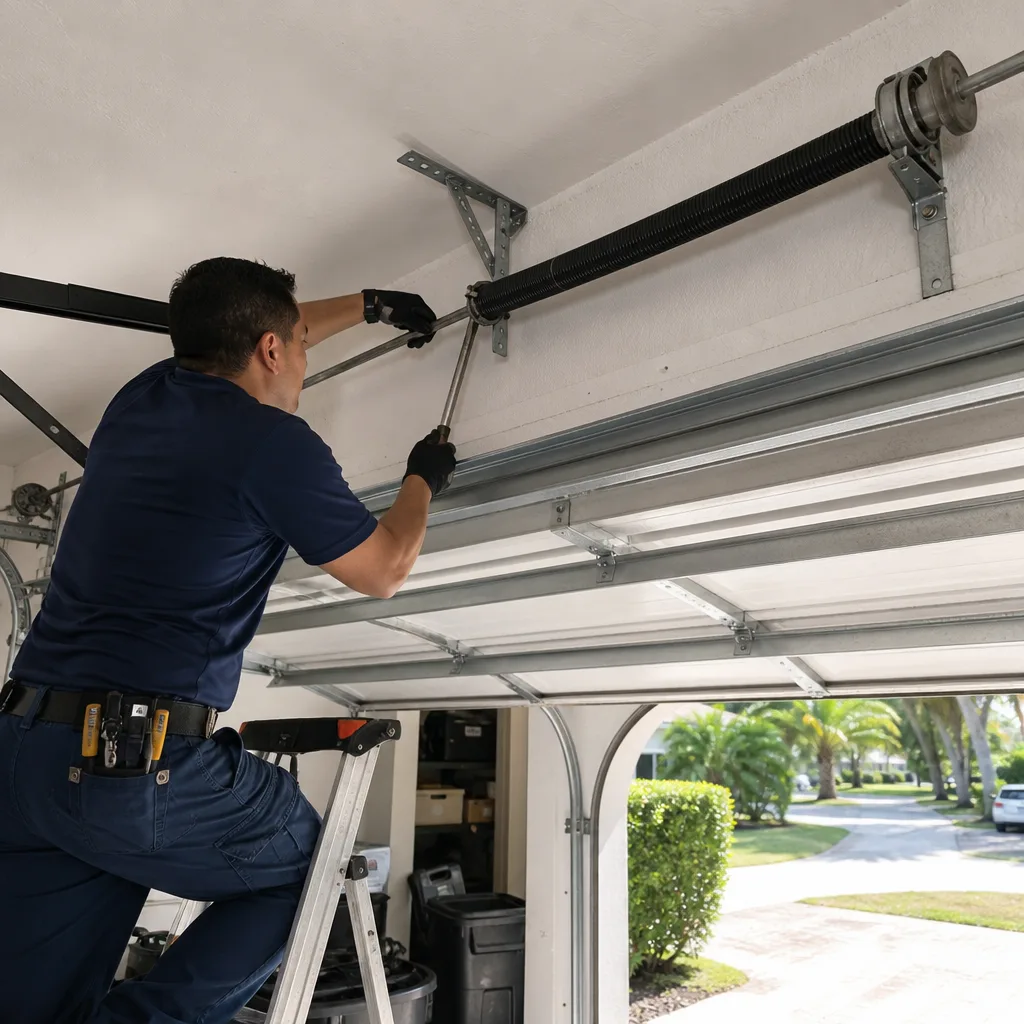 After