

Last updated October 31, 2026
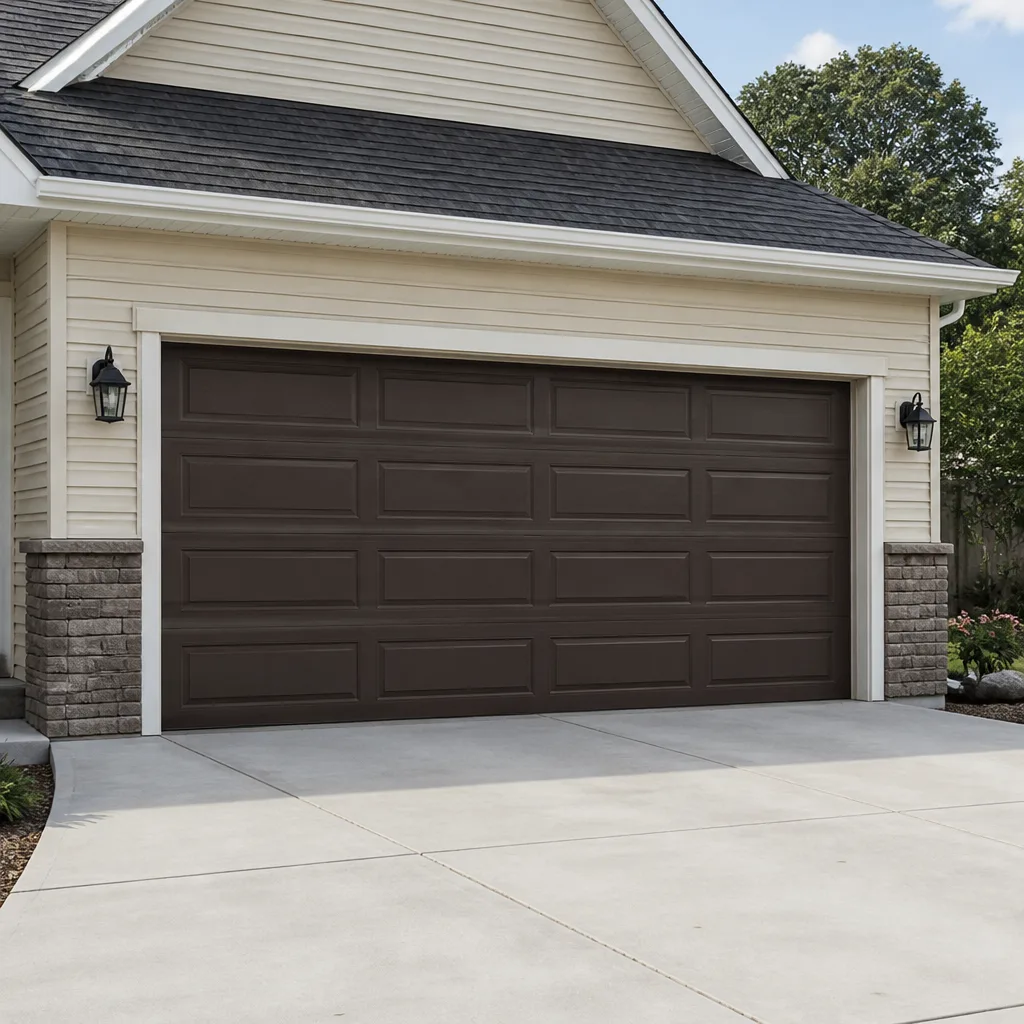 Raised-panel steel
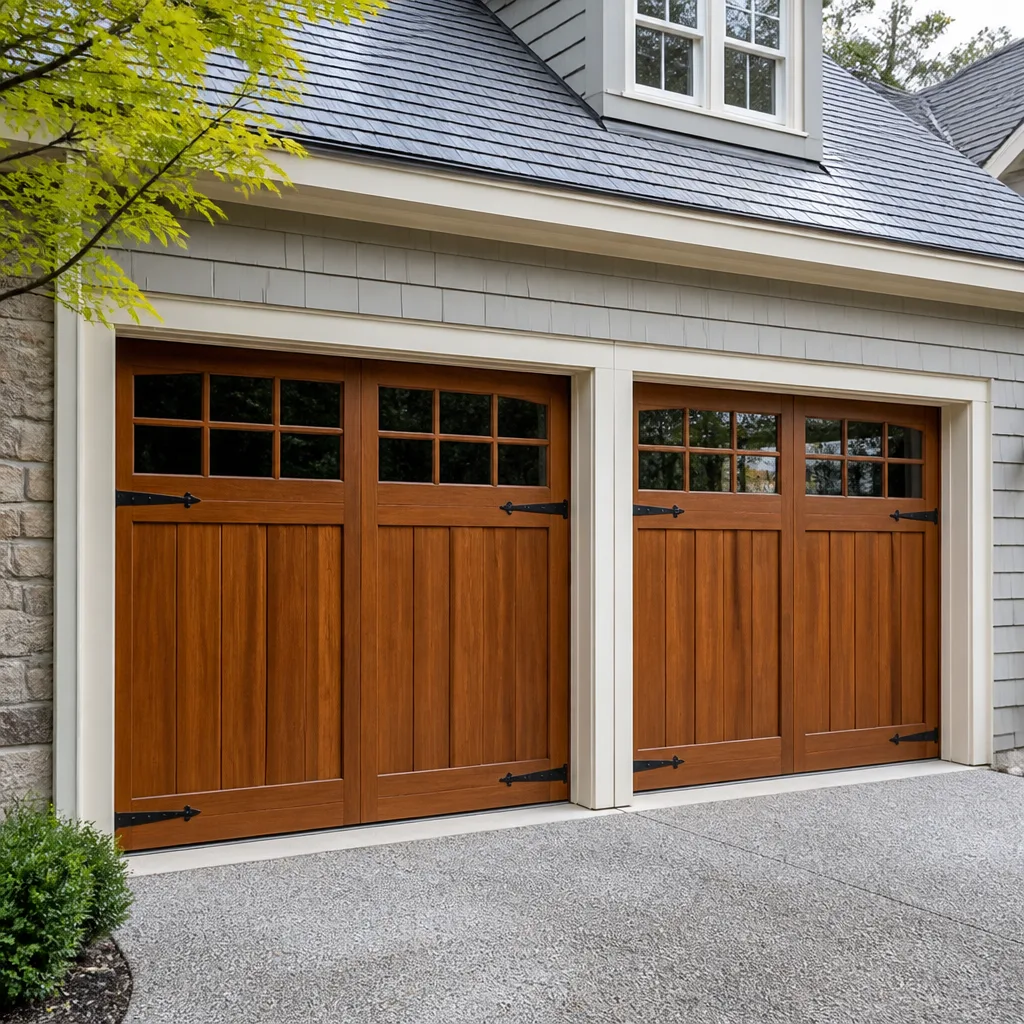 Carriage house
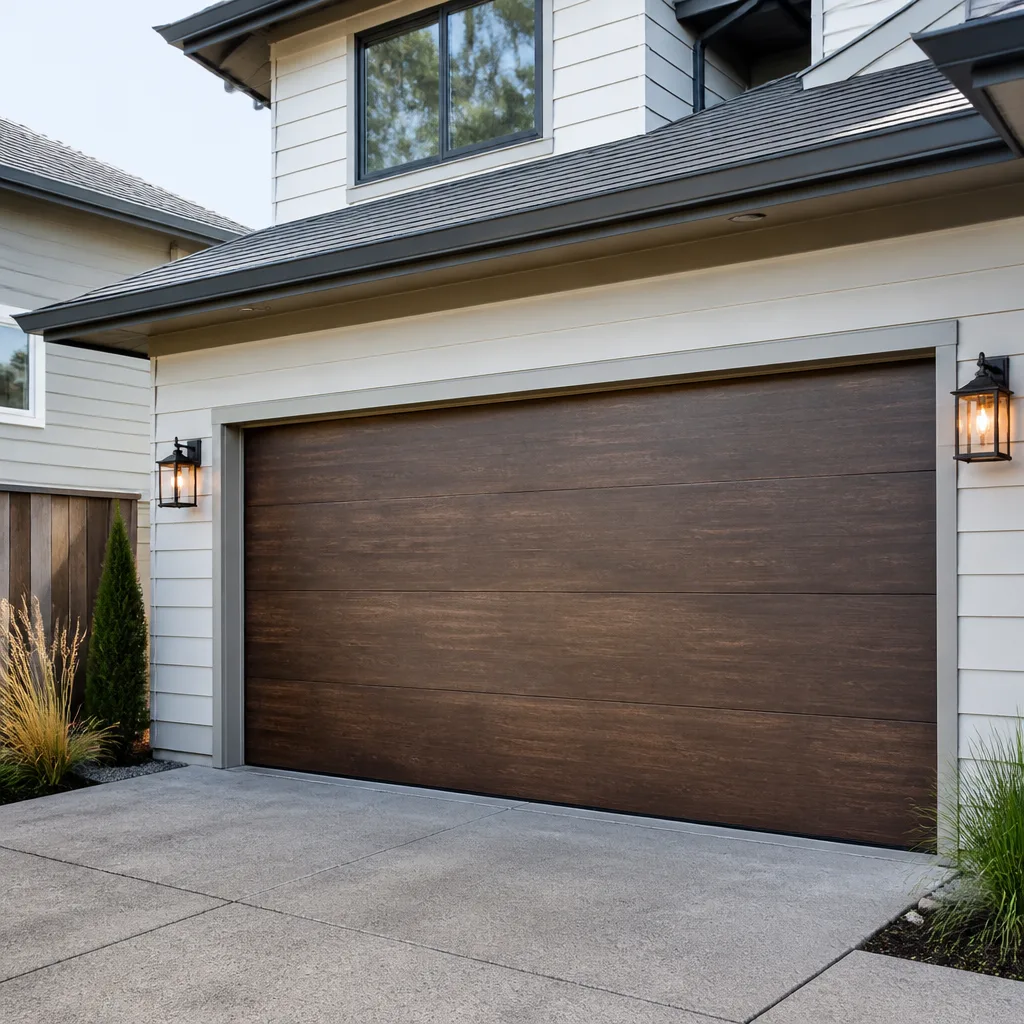 Modern flush
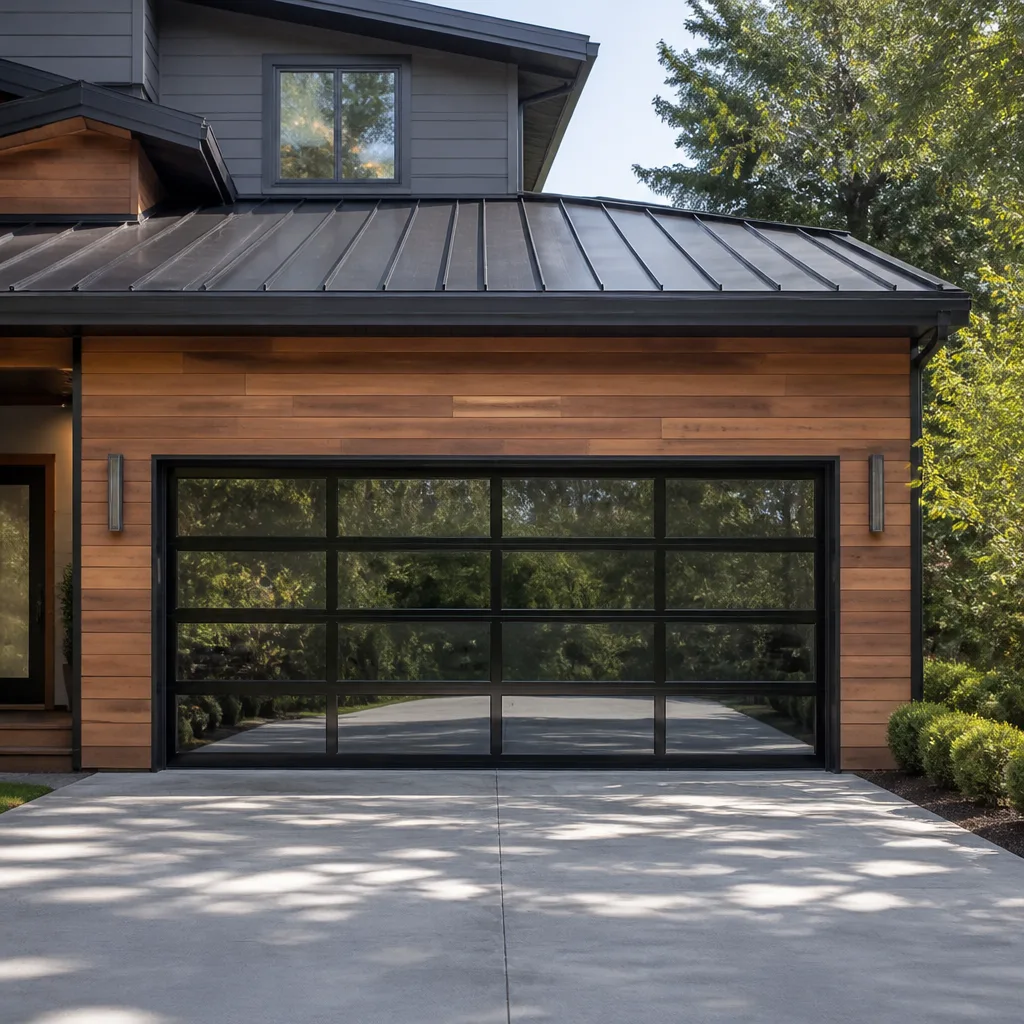 Full-view glass
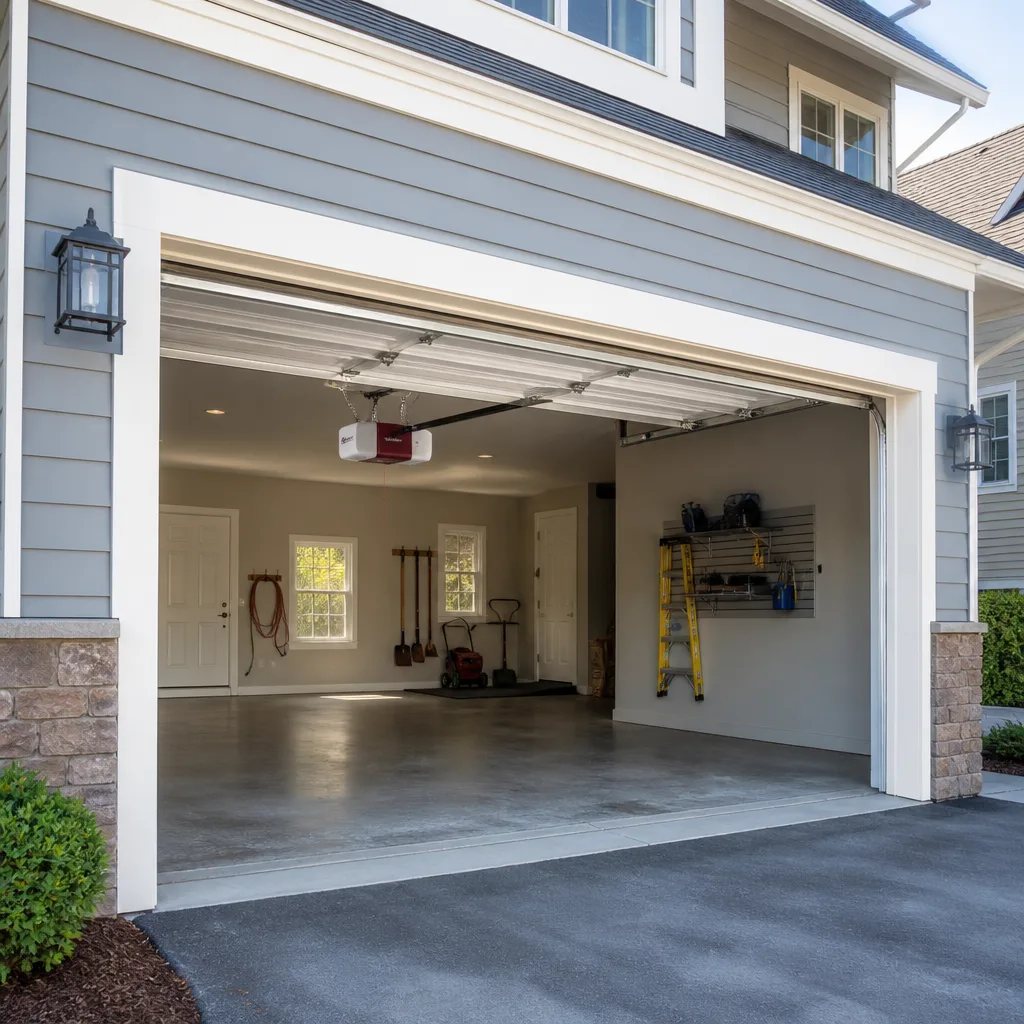 LiftMaster openers
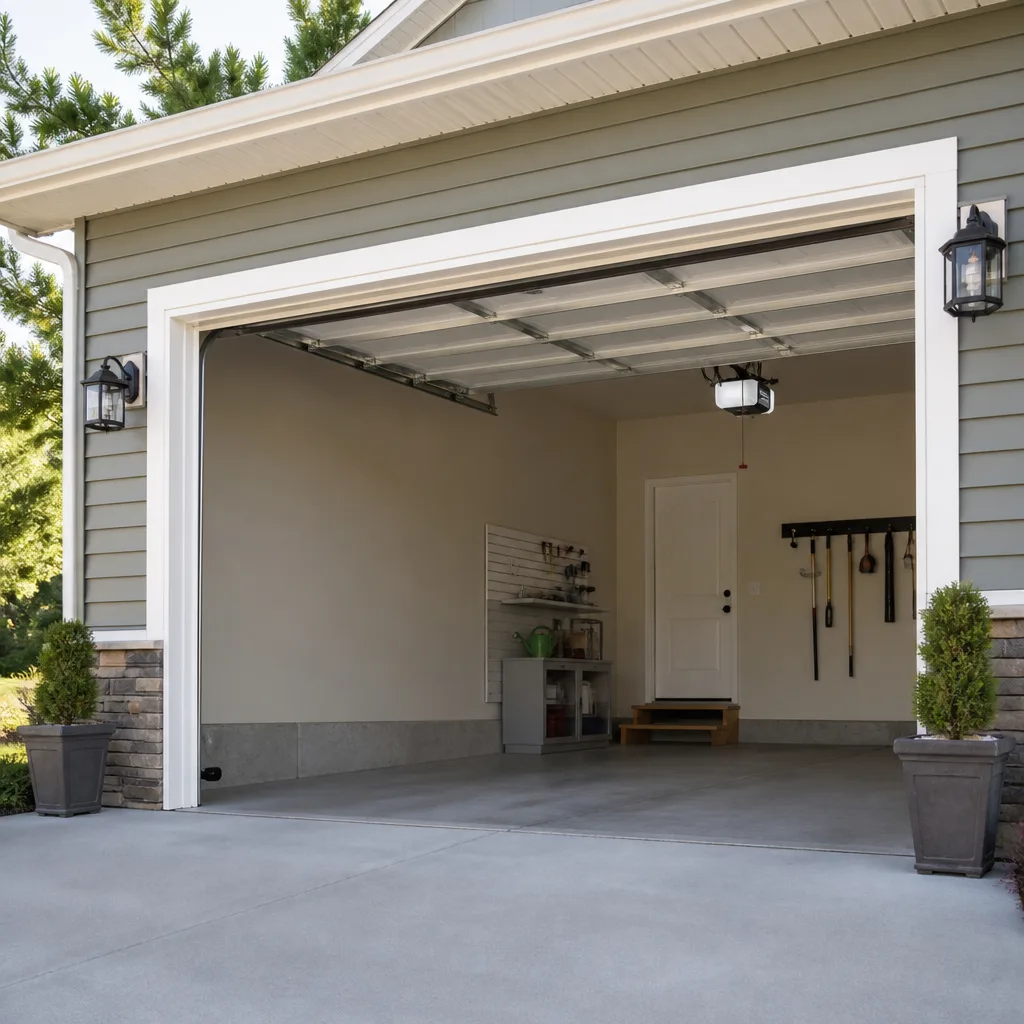 Chamberlain openers
Full 25-point door and opener safety check with every visit - springs, cables, rollers, tracks, and your LiftMaster or Chamberlain opener included
You get a price before we start. It does not change when the truck arrives.
Get your free estimateThe Complete Guide to Garage Door in Miami
Miami-Dade County enforces the strictest garage door wind-load requirements in the continental United States, yet most homeowners never learn this until they’re standing in a permit office or filing a storm-damage insurance claim. This guide covers what actually matters for garage doors in Miami: hurricane codes, salt air corrosion, flood zone rules, humidity effects on springs, and how to choose, maintain, and repair a door that won’t fail when the next storm rolls through. We’ve written this from years of working on doors across Miami, from Kendall to Aventura to Coral Gables.
Styles & brands we work with
Quick Answer
A garage door in Miami is a primary building envelope component subject to wind-load codes, salt air corrosion, and flood elevation rules that don’t apply elsewhere in Florida. Choosing the right door means verifying Miami-Dade Product Approval, matching the wind rating to your home’s exposure, and accounting for salt spray and humidity in every hardware decision. Most garage door problems we see in Miami trace back to one of three things: unapproved doors installed before code updates, hardware corroded by salt air, or springs spec’d without accounting for Miami’s humidity cycle.
Table of Contents
- Miami-Dade Product Approval: Why Your Door May Not Be Legal
- Wind-Rated vs. Hurricane-Impact Doors: The Difference That Saves Your Home
- Salt Air Corrosion: What Biscayne Bay Does to Garage Hardware
- Humidity, Springs, and Why Manufacturer Defaults Don’t Work in Miami
- Flood Zones AE, VE, and X: How They Change Door Selection
- Garage Door Opener Selection for Miami Conditions
- A Miami-Specific Maintenance Schedule That Actually Works
- Common Mistakes to Avoid
- When to Call a Professional
- Frequently Asked Questions
- The Bottom Line
Miami-Dade Product Approval: Why Your Door May Not Be Legal
Every garage door installed in Miami-Dade County must carry Miami-Dade Product Approval, often shortened to MDPA. This is not a state-level certification. A door that’s legal in Fort Lauderdale, Hollywood, or Pembroke Pines may have no standing in Miami-Dade if it lacks the county’s specific approval number.
The approval process tests the door assembly, including panels, tracks, hinges, and fasteners, against wind pressures derived from Miami’s hurricane wind maps. The county publishes approval documents that specify the maximum design pressure rating for each product. When a building inspector checks a permit, they verify the door’s approval number against the county database, not against a manufacturer’s marketing sheet.
Here’s what this means in practical terms:
- Older homes are the biggest risk. Doors installed before Miami-Dade tightened its product approval system in the early 2000s may be grandfathered but are often woefully underbuilt for current wind maps. If you’re replacing the door, you must bring the entire opening up to current code.
- Approval applies to the full assembly. A door panel may be approved, but if it’s mounted on unapproved tracks or with the wrong fasteners, the approval is void. We’ve seen this on doors installed by out-of-county contractors who don’t work in Miami regularly.
- Not all brands carry approval for all configurations. A manufacturer may hold approval for certain models but not others. Before you buy, ask for the NOA (Notice of Acceptance) number and verify it matches the exact door size and wind zone.
If you’re replacing a garage door anywhere in Miami, including our Garage Door Installation in Miami service area, confirming MDPA compliance is step one. A door without it won’t pass inspection, and more importantly, it won’t protect your home when it matters.
Wind-Rated vs. Hurricane-Impact Doors: The Difference That Saves Your Home
The terms wind-rated and hurricane-impact get used interchangeably, but they describe different levels of protection with very different costs. Understanding this distinction matters because it affects both your insurance premium and your family’s safety during a storm.
Wind-Rated Doors
A wind-rated door resists wind pressure and must stay in its tracks when a hurricane pushes against it. The frame, tracks, hinges, and panels are reinforced to handle a specified design pressure, measured in pounds per square foot. If a wind-rated door fails, it’s usually because the pressure exceeds the rating or because the installation didn’t follow the approved fastener schedule. These doors protect against wind entry, but they don’t protect against flying debris.
Hurricane-Impact Doors
A hurricane-impact door, also known as a missile-impact-rated door, is tested against a 9-pound 2×4 fired at the door at 34 miles per hour, plus thousands of impact cycles. The door must not be penetrated. This testing simulates what happens when a storm hurls debris through the air, which is the leading cause of garage door failure in hurricanes. Impact-rated doors protect your home’s interior from the pressure spike that happens when wind enters through a broken opening, which can lift your roof off.
The Miami-Dade requirement depends on your location. Homes within one mile of the coast generally require impact-rated products. Inland Miami homes may be allowed to use wind-rated doors, but many insurance carriers offer significant premium reductions only for impact-rated openings. Check your wind zone map and talk to your insurer before committing to a door.
With a brand like Raynor or Clopay, impact-rated models are available across multiple configurations and price points. The key is matching the rating to your exposure, not just buying the most expensive option.
Salt Air Corrosion: What Biscayne Bay Does to Garage Hardware
Miami’s salt air is an aggressive chemical environment. Homes in Coconut Grove, Key Biscayne, North Bay Village, and anywhere east of US-1 experience corrosion cycles that inland Miami homes simply don’t. The salt spray from Biscayne Bay and the Atlantic mixes with afternoon humidity and settles on every exposed metal surface, including your garage door hardware. The result is a predictable pattern of component failure that we can usually diagnose before we even look at the door.
Components that fail first in Miami’s coastal neighborhoods:
- Springs. Torsion springs sit under constant tension and have a thin surface treatment. Salt air penetrates that coating, and the spring rusts from the inside out. A spring that would last 10 years in Orlando may last 6 in Coral Gables.
- Cables. The lifting cables are typically galvanized, but the hardware they connect to is not. The failure point is usually where the cable meets the bottom bracket, where salt water collects and sits.
- Rollers and hinges. Rollers with exposed bearings seize when salt corrodes the bearing surface. The door then drags against the track, putting additional load on the opener and springs.
- Bottom brackets and fasteners. These are the lowest points on the door assembly, meaning they sit in the splash zone during Miami’s frequent rain events. Fasteners corrode and loosen, which changes the door’s balance point and accelerates wear.
The material choice matters more than the brand. Galvanized hardware outlasts painted hardware on the coast, and nylon rollers with sealed bearings outlast steel rollers by a wide margin. If you’re ordering a new door in a coastal Miami zip code, specify marine-grade or at minimum heavy-duty galvanized components for the springs and cables. This is a conversation we have with customers during Garage Door Repair in Miami visits because the wrong hardware on a coastal door means a repair in two years instead of ten.
Humidity, Springs, and Why Manufacturer Defaults Don’t Work in Miami
Garage door spring specifications assume a typical installation environment. That assumption fails in Miami because our average relative humidity runs between 70% and 80% year-round, and the interior of a garage, especially an uninsulated one, can swing between 60% and 90% humidity within a single day. Moisture accelerates metal fatigue and changes how springs perform under load.
There are two spring systems in common use:
- Torsion springs mount above the door opening and are the standard for Miami’s heavier wind-rated doors. They carry the door’s full weight, and their lifespan depends on the cycle rating of the spring and the environment. A standard 10,000-cycle spring may be adequate in a dry climate, but in Miami, moisture shortens the effective lifespan. High-cycle springs with corrosion-resistant coatings are worth the extra cost here.
- Extension springs mount on either side of the door and are more common on older doors. They’re more exposed to ambient air and therefore more vulnerable to Miami’s humidity. We replace them with torsion conversion kits on many older Miami homes, partly for safety and partly because torsion springs simply hold up better in this climate.
One more factor: Miami’s daily temperature swings mean the garage door expands and contracts slightly every day. This cycling is normal, but when paired with a spring that’s already corroding, it accelerates micro-cracks in the spring wire. A spring that’s been in service for five years in Miami is not the same as a five-year-old spring in a dry climate. Regular inspection of spring condition, not just spring tension, is part of responsible ownership here.
Flood Zones AE, VE, and X: How They Change Door Selection
Miami’s flood zone designations from FEMA affect more than your insurance premium. They also dictate what kind of garage door makes sense for your home, because the door sits at grade level and is the single largest opening in your home’s envelope. The wrong door in a flood zone either gets destroyed in a flood or prevents your flood vents from doing their job.
Zone X (Minimal Risk)
Inland Miami neighborhoods that sit in Zone X are the least constrained. You can choose nearly any door that meets wind-load requirements. That said, heavy rains and street flooding still happen in Miami regardless of zone, so a door with decent bottom-seal integrity matters everywhere.
Zone AE (Special Flood Hazard Area)
AE zones are subject to flooding from storm surge and heavy rainfall. Homes in these zones must have flood vents, and your garage door must not block those vents. The door’s bottom seal and weatherstripping become critical because you’re trying to keep water out while also allowing pressure equalization through the approved flood openings. Doors with substantial bottom seals and corrosion-resistant track systems hold up better here.
Zone VE (High-Velocity Wave Zone)
VE zones along Miami’s barrier islands and coastal edges face wave action and the highest flood risk. Homes in VE zones must be elevated, and the garage enclosure below the elevated floor is designed to break away in a flood event. In these zones, the garage door is deliberately sacrificial: it will fail in a storm, and that’s by design. The door still needs to meet wind requirements, but owners should expect to replace hardware and possibly the door itself after significant coastal flooding. This changes the calculus on what to spend: a VE-zone door should be code-compliant but cost-conscious, because nature will ultimately take it.
Garage Door Opener Selection for Miami Conditions
Your opener’s lifespan in Miami depends on how well it handles heat, humidity, and power interruptions. Miami garages routinely exceed 95°F in summer afternoons, and that heat breaks down the plastic gears and circuit boards inside many openers faster than the manufacturer anticipates.
- DC motors run cooler and draw less current. Models from LiftMaster and Chamberlain with DC motors generate less heat internally, which matters when your garage is already at 100°F. They’re also quiet in attached garages, where noise transfers directly into the house.
- Battery backup is not optional in Miami. Hurricane season brings outages that last hours, sometimes days. An opener with battery backup lets you open and close the door during an outage, which matters for both access and security. This is a differentiator we call out frequently during Garage Door Opener Repair in Miami work: openers without backup leave you with a door stuck open or closed right when you need control.
- Smart features need a stable connection. Many Miami homes use Wi-Fi openers for remote access and camera integration. That’s useful, but it depends on a router that may sit inside a concrete-block house with poor garage signal. Position your router carefully or use a mesh node near the garage if you rely on remote monitoring.
On the brand side, LiftMaster and Chamberlain openers dominate Miami’s residential market and are widely supported for parts and service. Genie openers are also common, particularly on older homes. Our philosophy is straightforward: we work on the brand you already have, rather than steering you toward a replacement, because the right fix is usually more cost-effective than ripping out a functioning system.
A Miami-Specific Maintenance Schedule That Actually Works
Garage door maintenance in Miami is not an annual ritual. The climate dictates a more aggressive schedule, particularly for coastal homes. Here’s the schedule we recommend based on repair patterns we see across Miami neighborhoods:
Monthly (2 minutes)
- Watch and listen to the door as it opens and closes once. You’re listening for grinding, squeaking, or hesitation.
- Check that the door reverses immediately when it contacts an object on the way down. Use a piece of wood or cardboard placed in the door’s path to test the auto-reverse.
- Check the photoelectric sensors at the base of the door. They should be aligned and free of debris.
Quarterly (10 minutes)
- Inspect the springs for rust, gaps, or unevenness. Do not touch or adjust them; this is a visual inspection only. Torsion springs are under tension that can cause serious injury or death if mishandled. If you see rust or cracking, call a trained technician.
- Inspect the cables for fraying, especially near the bottom brackets where salt water collects on coastal homes.
- Check the rollers and hinges for rust or seizure. Spray hinges with a dry lithium or silicone lubricant, but keep lubricant off the rollers’ contact surfaces.
- Run a damp rag along the bottom seal and inspect it for tears. A torn seal on a Miami home lets in rainwater, insects, and humid air.
Annually (1 hour, or call us)
- Have the door’s balance tested. A properly balanced door stays in place when opened halfway by hand. If it falls or rises, the springs need attention.
- Check all fasteners and track brackets for corrosion, particularly on coastal Miami homes. Loose track brackets cause doors to bind, which overloads the opener.
- Test the opener’s force settings and battery backup. If the backup battery is more than two years old, replace it proactively.
- Clean the tracks and apply fresh lubricant to hinges and rollers. Miami’s dust combines with humidity to make a paste that accelerates wear.
If any of these inspections reveals something you’re unsure about, err on the side of a professional look. A service call is cheaper than a broken spring that drops a 300-pound door.
Common Mistakes to Avoid
- Buying a door without checking Miami-Dade Product Approval. A door that’s approved in Broward or Palm Beach may not pass inspection in Miami. Always verify the NOA number before purchase, ideally before you even schedule an installation.
- Painting over corroded hardware. Rust doesn’t stop because you covered it. Painting a corroded spring or cable traps moisture against the metal and accelerates failure. If the hardware is rusted, it’s time to replace it, not repaint it.
- Using automotive lubricant on garage parts. WD-40 and similar products strip away the dry lubricants that rollers and hinges need. Use a silicone or lithium-based dry lubricant specifically designed for garage doors. Heavy grease attracts Miami’s dust and creates a grinding paste.
- Ignoring a noisy door. A squeak or grind is the earliest warning sign of a component about to fail. In Miami’s humidity cycle, ignored noise usually becomes a broken spring or seized roller within months, not years.
- Replacing a spring with the same cycle rating. If you have a failed spring on a Miami door, the original spring’s cycle rating was insufficient for this environment. A high-cycle spring with corrosion resistance costs more up front but lasts significantly longer.
- Skipping the battery backup on a new opener. Miami loses power in hurricane season. An opener without a battery backup means a door you can’t move when you need it most, unless you know exactly how to use the emergency release safely.
- Assuming flood insurance covers the garage door. Flood policies treat garage doors differently depending on your zone and policy terms. Check your declarations page before storm season, not after the storm.
When to Call a Professional
Some garage door issues are safe to investigate yourself; others demand a trained eye. Call a professional if you see rust or cracking on torsion springs, if the door is visibly out of balance, if cables are fraying, or if the opener is making electrical smells or sounds. These components are under extreme tension or carry live electrical current, and failure during DIY repair can cause serious injury.
If your door was damaged in a storm or you suspect the wind rating is no longer current, don’t guess. A professional inspection confirms whether the door and tracks still meet code for your Miami location. Craftsman Garage Door Repair offers free estimates in Miami, call (844) 734-6077 and we’ll diagnose before we quote. You’ll know the exact scope and price before any work begins.
Frequently Asked Questions
A standard replacement garage door in Miami typically ranges from $1,200 to $4,500 installed, with hurricane-impact doors running higher due to the reinforced construction and required hardware. The final price depends on door size, wind zone, finish, and opener integration. Call (844) 734-6077 for an exact quote on your specific opening; estimates are free and the price is fixed before any work starts.
Hurricane-impact-rated doors are required for homes in high-wind zones, typically within one mile of the coast in Miami-Dade County, though the exact requirement depends on your specific wind zone and elevation. Inland homes may use wind-rated doors, but an impact door may still reduce your insurance premium enough to justify the cost. We can verify your zone and code requirements during a site visit.
Standard torsion springs in Miami typically last 5 to 7 years due to humidity and salt air exposure, compared to 10 to 12 years in drier climates. High-cycle springs with corrosion-resistant coatings can extend that significantly. If your springs are approaching the 5-year mark in a coastal neighborhood, they’re worth inspecting.
Many opener problems are repairable: faulty circuit boards, worn gears, and failed capacitors can all be replaced at a fraction of the cost of a new unit. The exceptions are old AC-motor openers and units with integrated motor failures, where replacement is more cost-effective. We repair LiftMaster, Chamberlain, Genie, and Raynor openers regularly rather than pushing replacements.
Your door will pass inspection only if it carries a valid Miami-Dade Product Approval number for the specific size and wind rating installed, and the installation followed the approved fastener schedule. Inspectors verify the NOA and check the installation, not just the door model. If you’re unsure, we can verify approval status before an inspector does.
Yes, we provide same-day service for most garage door repairs across Miami, including broken springs and opener failures. Call (844) 734-6077 and we’ll tell you when we can be at your door, with parts on the truck so we’re prepared for the common fixes before we arrive.
The Bottom Line
A garage door in Miami is a structural component that has to contend with hurricane wind loads, salt air, humidity, and flood zone rules simultaneously. The right door starts with Miami-Dade Product Approval and a wind rating that matches your exposure. The right hardware is corrosion-resistant and spec’d for Miami’s moisture, not a manufacturer’s national default. And the right maintenance is a monthly habit, not an annual afterthought. Whether you need a new door, a spring replacement, or an opener that’s stopped responding, the standard in Miami is higher than anywhere else in the country. Plan accordingly, inspect consistently, and don’t accept a door that merely looks fine from the driveway. From springs to smart openers, we work on the brand you already have and fix it to a craftsman’s standard.
Written by the team at Craftsman Garage Door Repair, serving Miami since 2012.
Learn more about our work at the Craftsman Garage Door Repair home page. If you need repairs, Garage Door Repair in Miami has you covered. If your opener is the problem, start with Garage Door Opener Repair in Miami. And if you’re ready for a new door that meets Miami-Dade code, our Garage Door Installation in Miami page walks through the process. For any of these, call (844) 734-6077 and we’ll give you a free, fixed estimate before any work begins.
See the difference
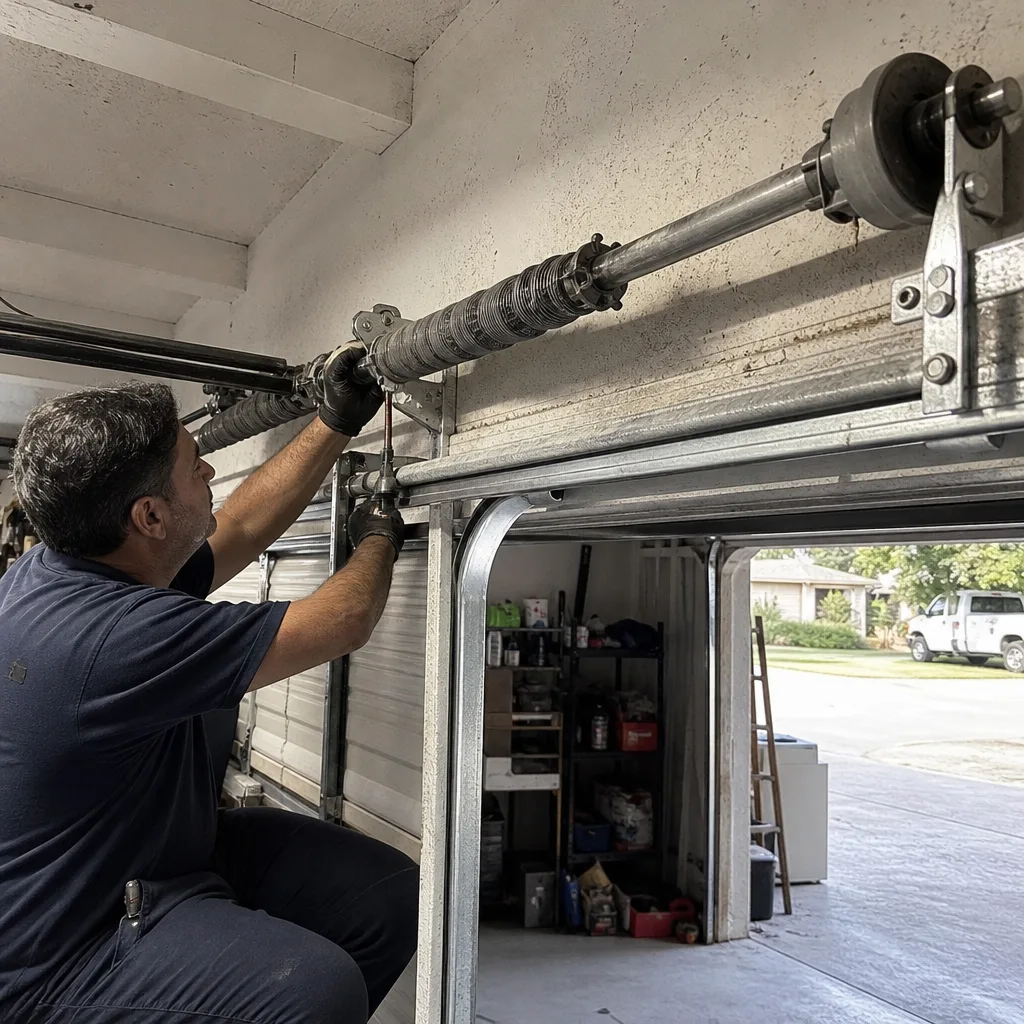 Before
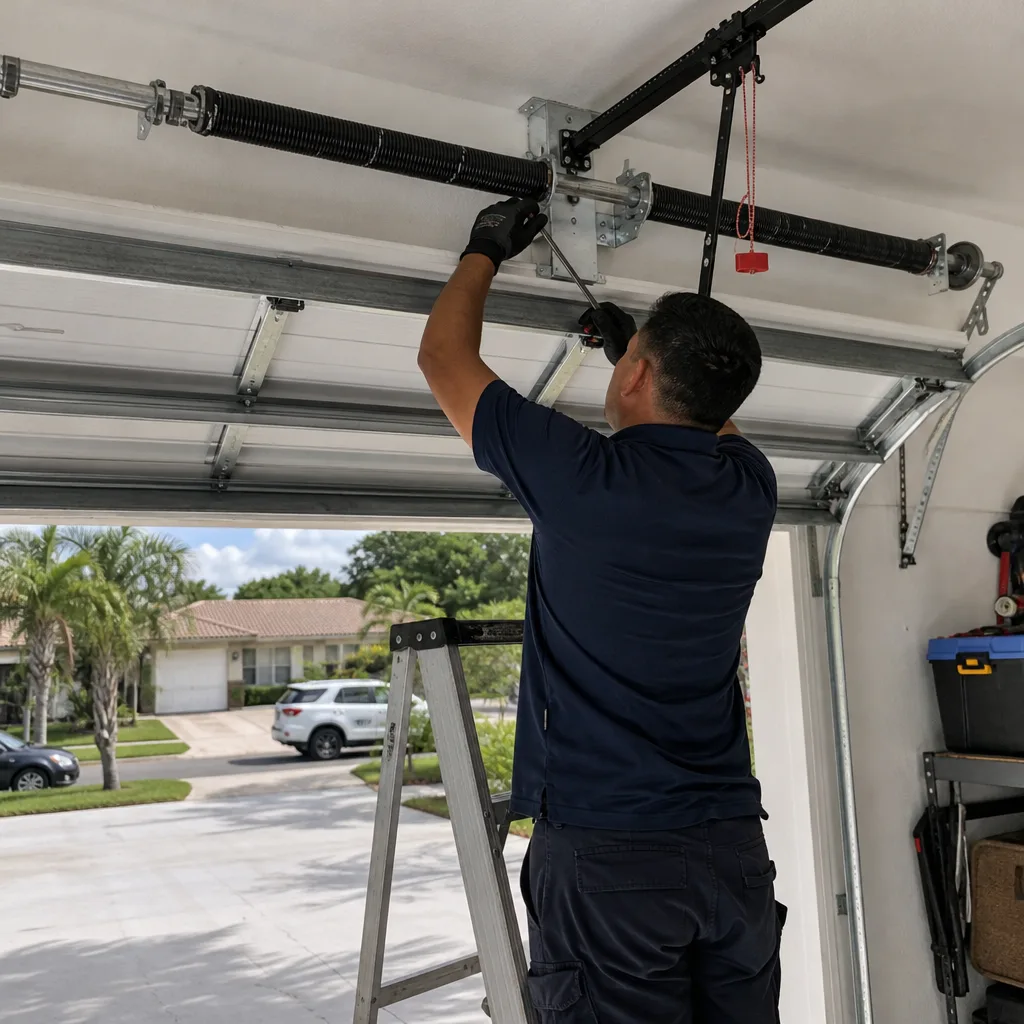 After
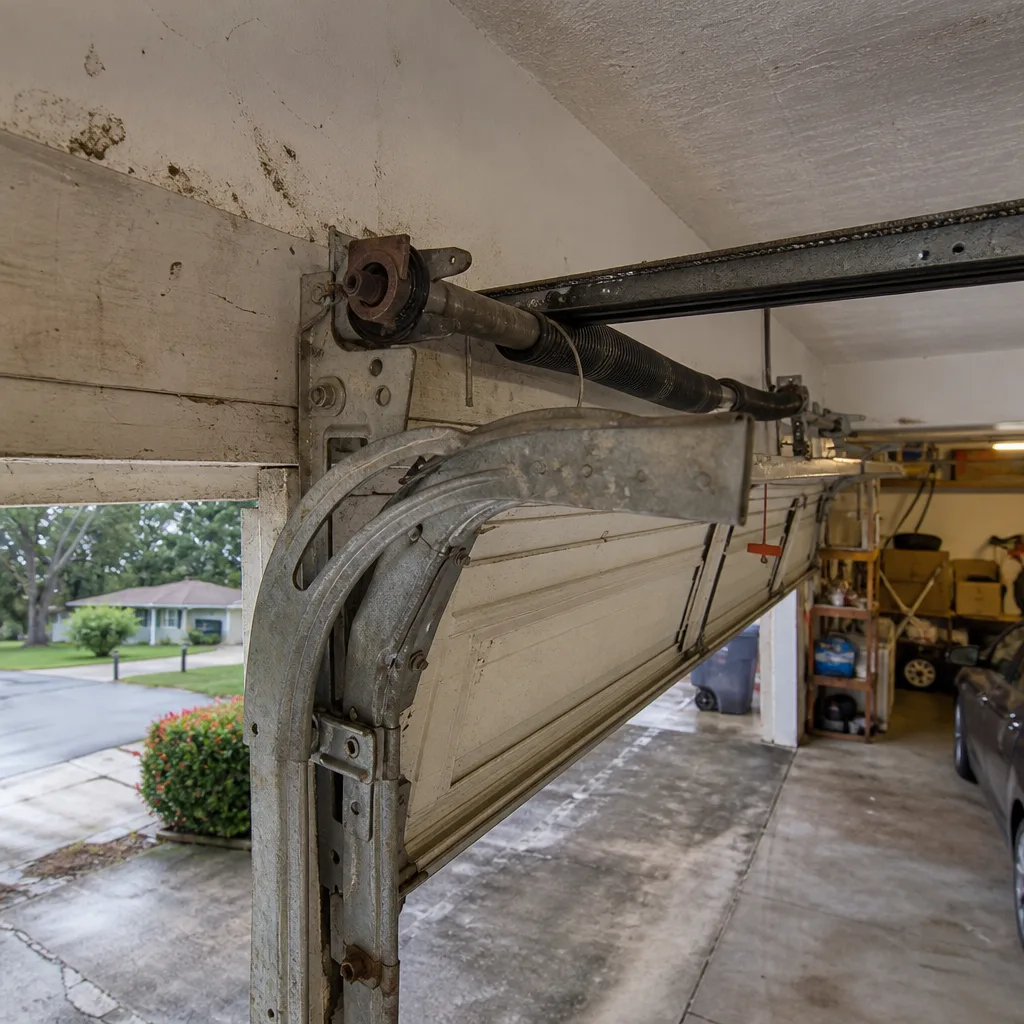 Before
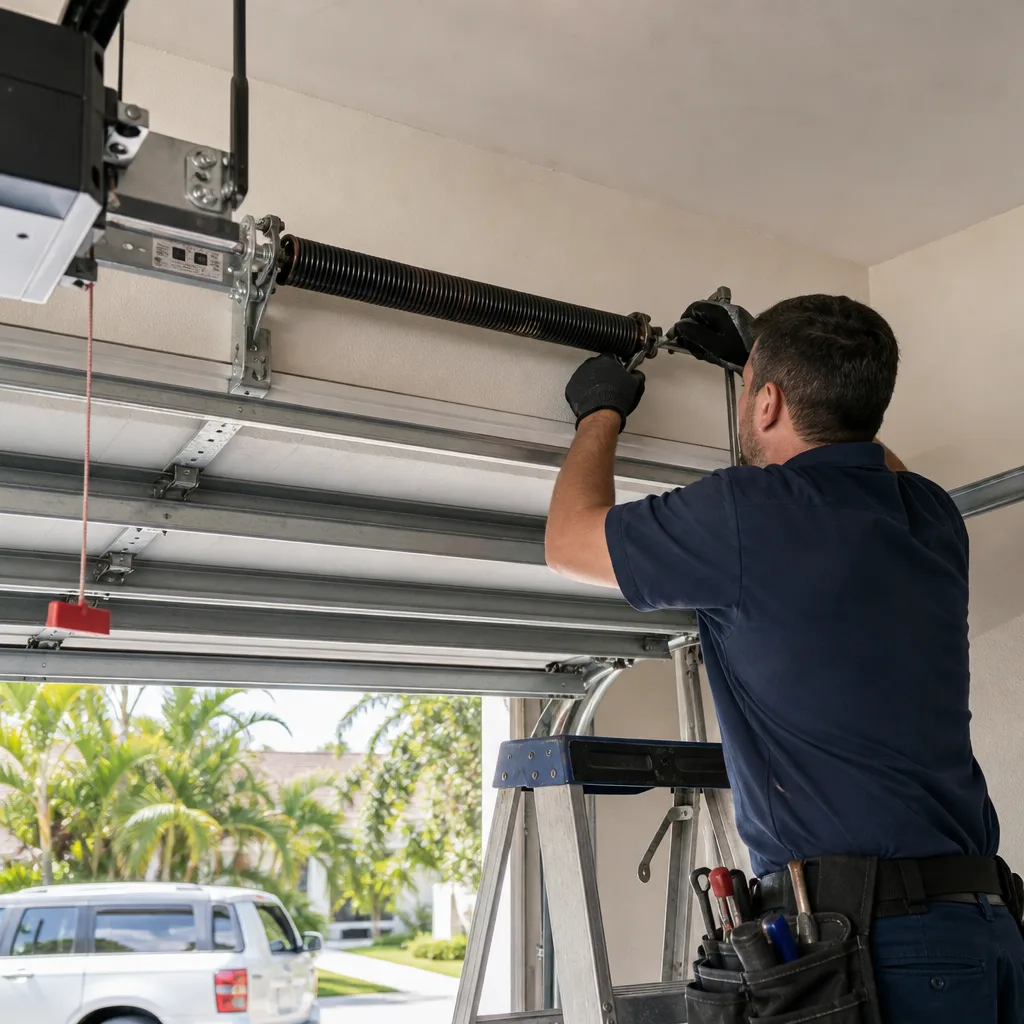 After
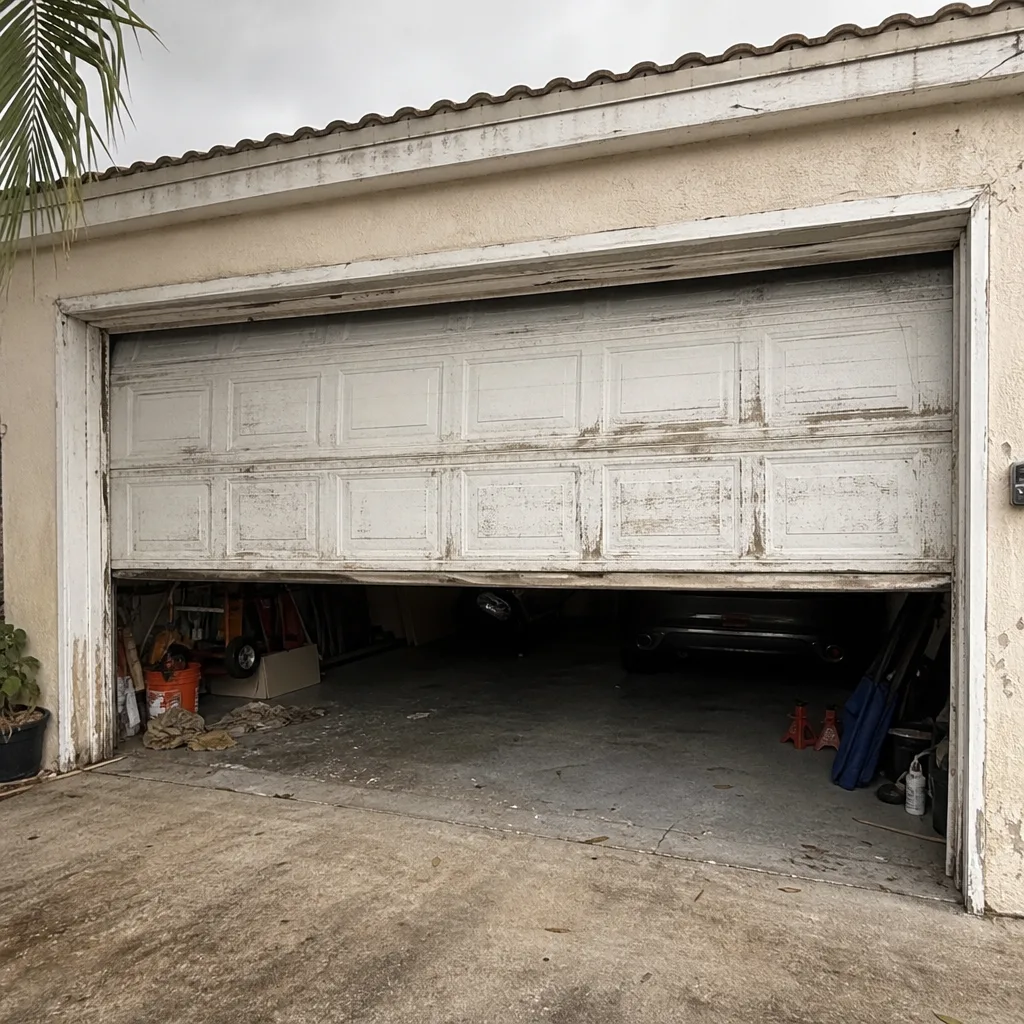 Before
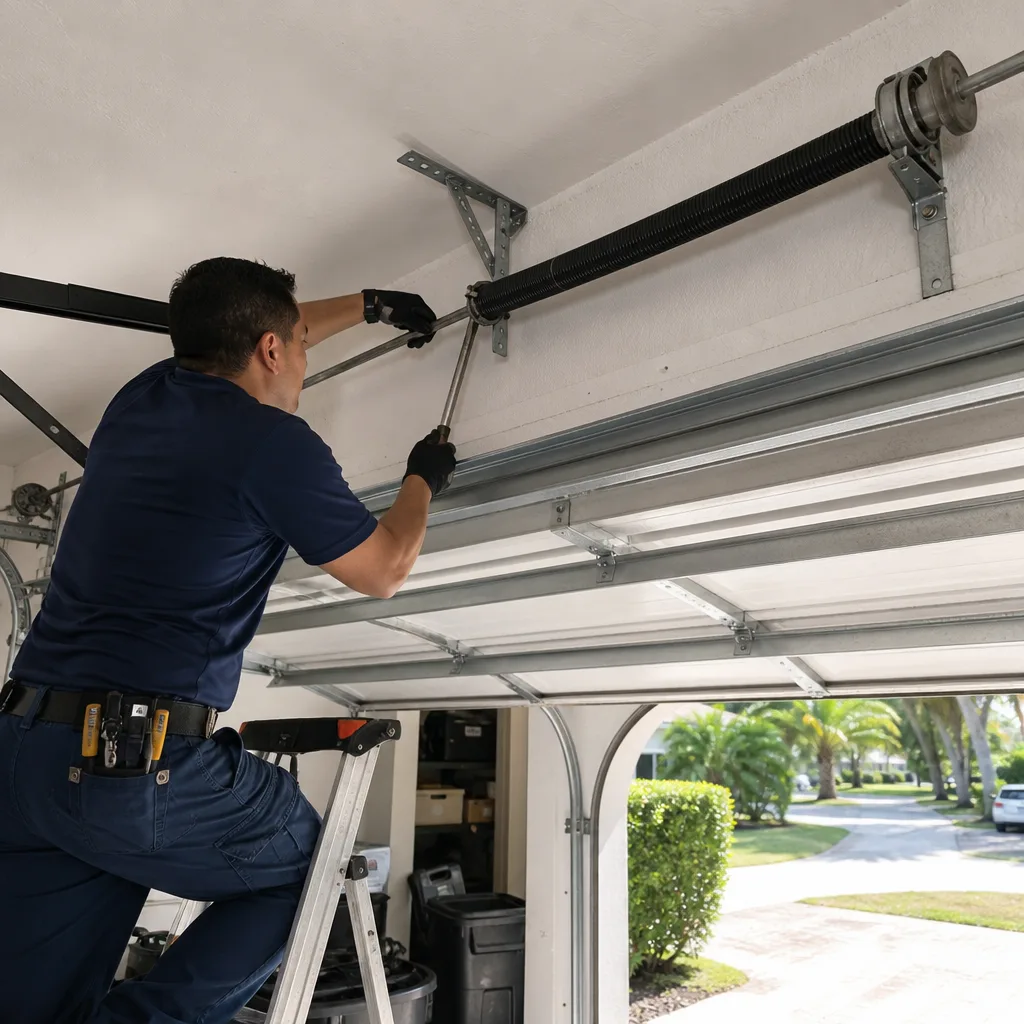 After