

Last updated October 31, 2026
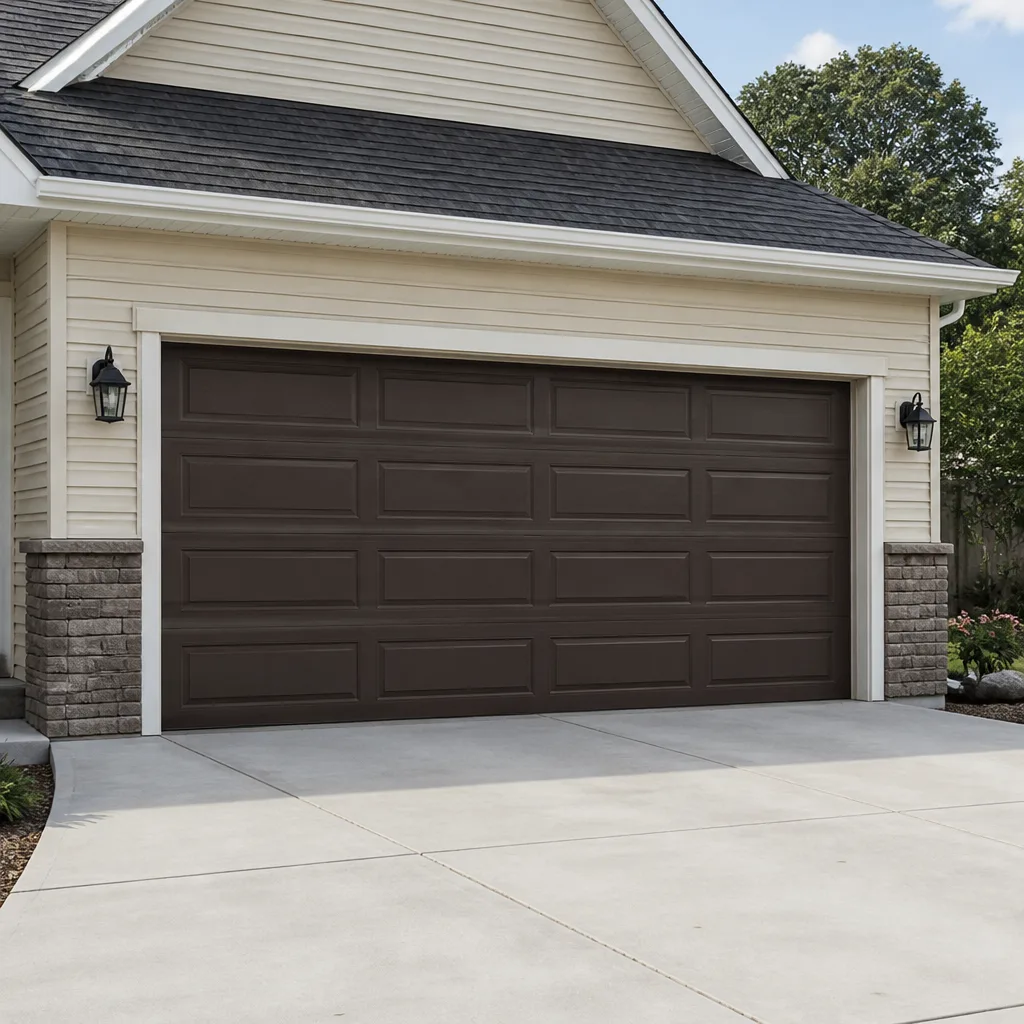 Raised-panel steel
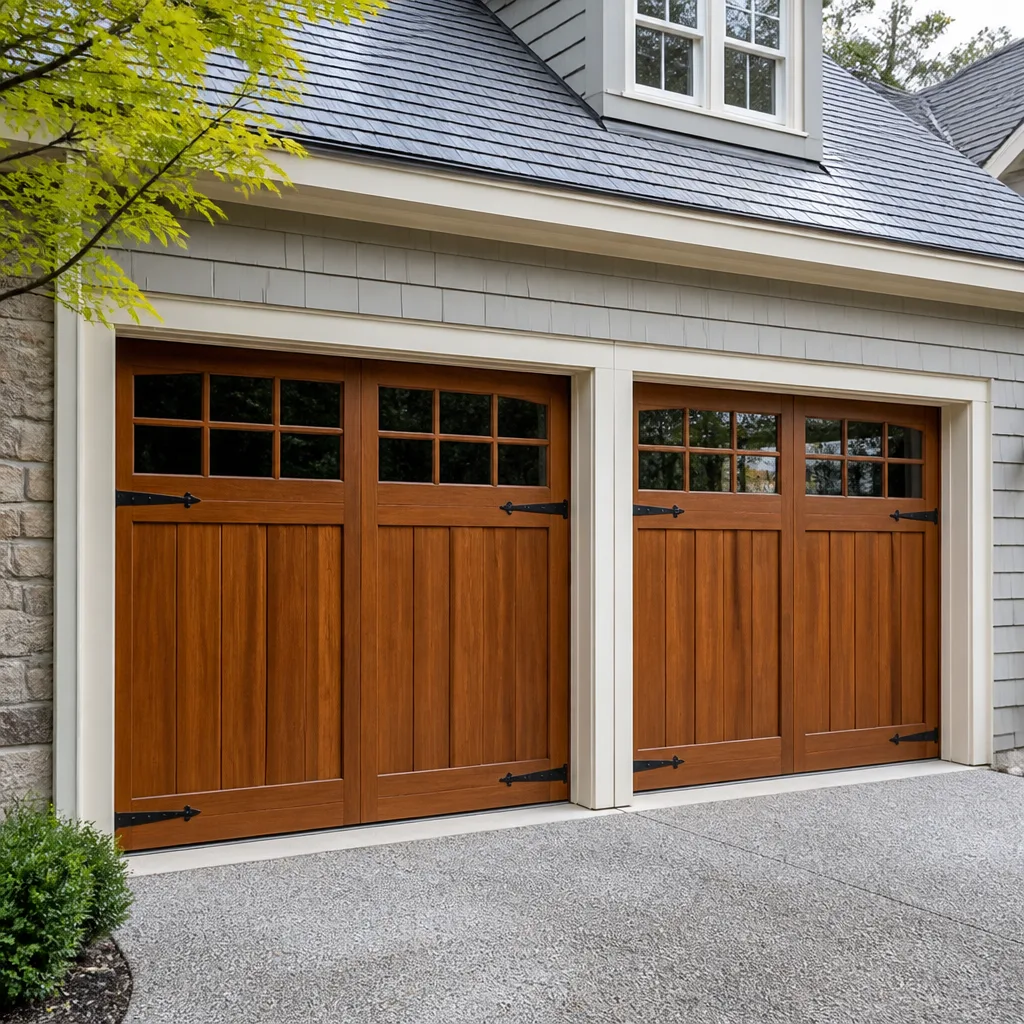 Carriage house
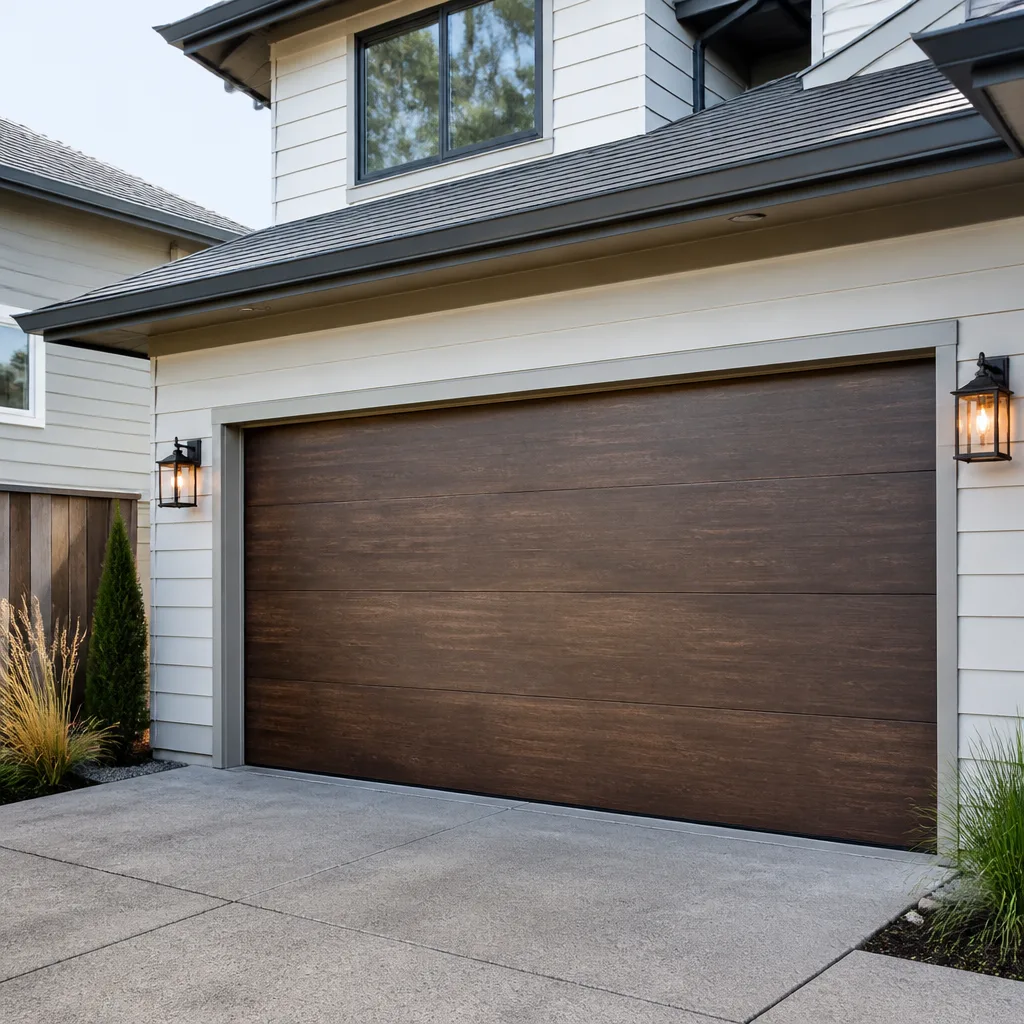 Modern flush
 Full-view glass
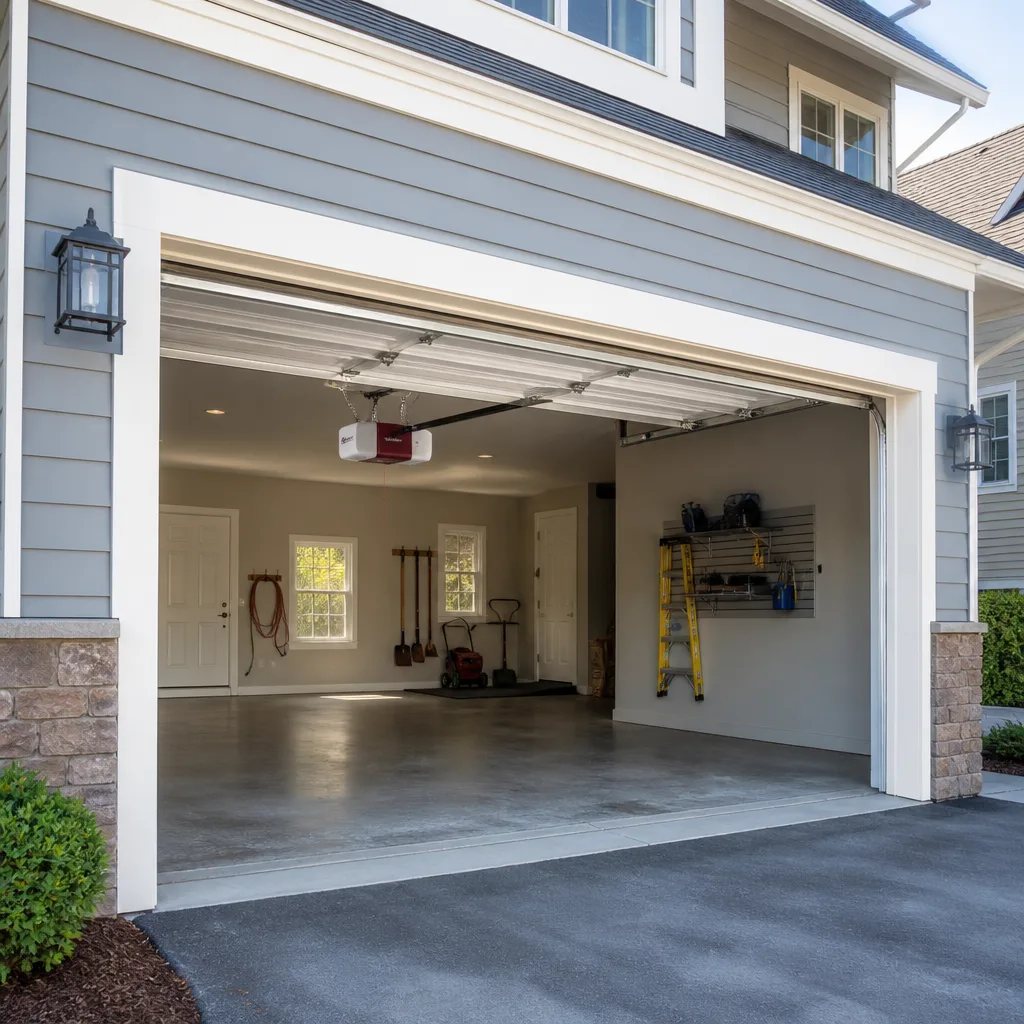 LiftMaster openers
 Chamberlain openers
Full 25-point door and opener safety check with every visit - springs, cables, rollers, tracks, and your LiftMaster or Chamberlain opener included
You get a price before we start. It does not change when the truck arrives.
Get your free estimateHow to Hire a Garage Door Contractor in Miami: A Step-by-Step Guide
A garage door installed without Miami-Dade product approval can legally prevent you from closing a home sale, and the contractor who installed it is long gone. Miami is unlike any other market in the country when it comes to garage doors. The wind load requirements, the product approval process, the permitting rules, the insurance implications. They all stack up in ways that make hiring the wrong contractor genuinely expensive, not just inconvenient. This guide walks through the entire vetting process, step by step, so you can hire with confidence and avoid the mistakes that cost Miami homeowners thousands at resale or after the next hurricane season. For more, see our more guides & resources.
Styles & brands we work with
Quick Answer
To hire a garage door contractor in Miami, verify their Florida DBPR license, confirm they pull permits for installations and structural repairs, ask for the Miami-Dade NOA (Notice of Acceptance) number on any new door or opener, and get a line-item written quote before work starts. Then check that they have direct experience with the specific brand you already own rather than pushing a replacement you didn’t ask for. See our Choosing the Right Garage Door Brand: A Buyer’s Guide for Miami for help matching brand to need.
Table of Contents
- Why Hiring in Miami Is Different From Anywhere Else
- Step 1: Verify the Florida Contractor License With DBPR
- Step 2: Ask for the Miami-Dade NOA Number Before Any Installation
- Step 3: Read the Quote Line by Line
- Step 4: Ask the Questions Most Contractors Hope You’ll Skip
- Step 5: Recognize the Red Flags Specific to Miami’s Market
- Common Mistakes to Avoid
- When to Call a Professional
- Frequently Asked Questions
- The Bottom Line
Why Hiring in Miami Is Different From Anywhere Else
Most generic hiring guides tell you to check reviews and get three quotes. In Miami, that’s the bare minimum, and honestly it’s not enough. Here’s why.
Miami-Dade County sits inside the High Velocity Hurricane Zone, or HVHZ. That’s not a marketing term. It’s a building code designation that applies to only two counties in the entire state of Florida: Miami-Dade and Broward. Products installed in the HVHZ, including garage doors, must meet wind load standards that don’t apply in Orlando, Tampa, or Jacksonville. A garage door that’s perfectly legal in Palm Beach County might not be approvable in Miami-Dade.
What that means for you as a homeowner is simple. The contractor you hire in Miami has to understand HVHZ compliance, the Miami-Dade NOA product approval database, and the permitting process that ties both together. A handyman who “does garage doors on the side” can swap a spring, maybe. But when it comes to a full garage door installation in Miami, the stakes are structural. If the door isn’t approved, your insurance carrier can deny a wind damage claim after a storm. If you sell the house, an inspector working for the buyer’s lender can flag the unpermitted installation and delay or kill the closing.
Add to that the Miami market’s own quirks: a dense housing stock that ranges from 1950s Coral Gables bungalows to high-rise condos in Brickell, door-to-door solicitation spikes after every named storm, and a repair economy where cash-only pricing still shows up in certain neighborhoods. The vetting process has to account for all of it.
Step 1: Verify the Florida Contractor License With DBPR
Before you let anyone touch your garage door, check their license. Florida requires garage door contractors to hold a license through the Department of Business and Professional Regulation, or DBPR. The process takes about two minutes online, and skipping it is how Miami homeowners end up with no recourse when a job goes sideways.
Here’s the step-by-step:
- Go to the DBPR website and find the “Verify a License” tool.
- Enter the contractor’s name or license number.
- Check that the license type actually covers garage door work. In Florida, a Garage Door Specialty Contractor license is what you’re looking for. A general contractor license is broader but legitimate. A handyman license, a “business tax receipt,” or nothing at all is a problem.
- Confirm the license status is Active. Expired, suspended, or delinquent are all red flags.
- Look at the complaint history. One old complaint might mean nothing. A pattern of complaints about incomplete work or permit violations tells you something.
Why does this matter so much in Miami specifically? Because unlicensed work is common here, and the consequences are worse than in most markets. An unlicensed contractor who installs a garage door without a permit leaves you holding the liability. When your insurer asks who did the installation and whether it was permitted, you don’t have a good answer. At that point the premium savings you got from the lower quote disappear, probably several times over.
We work on the brand you already have, and we show up with the licensing and insurance to back the work. That’s not a sales line. It’s the baseline any legitimate contractor in Miami should meet before you even discuss pricing.
Step 2: Ask for the Miami-Dade NOA Number Before Any Installation
This is the step 90% of homeowners skip, because nobody told them it exists. The Miami-Dade Notice of Acceptance, or NOA, is the county’s official product approval for building components that have to withstand hurricane force winds. Garage doors are on that list.
Here’s how it works. A garage door manufacturer submits their product for testing. If it passes the wind load requirements for the HVHZ, Miami-Dade issues an NOA number. That number is what the building department looks up when your contractor applies for a permit. No NOA means no permit, at least for a full door installation or replacement. And no permit means the installation technically doesn’t exist on paper when you try to sell the house or file an insurance claim.
When you’re getting quotes for a new garage door in Miami, ask this specific question: “What’s the NOA number for the door you’re quoting?” A contractor who knows the answer immediately is doing permitted work in this county regularly. A contractor who looks confused or says “we don’t worry about that” is telling you something important about how they operate.
This matters less for repairs. Replacing a broken spring or a garage door opener doesn’t require an NOA. But the moment you’re swapping the door itself, the NOA is the difference between a legal installation and a problem you’ll discover at the worst possible time. We’ve seen Miami homeowners try to sell a house, only to have the buyer’s inspector flag a garage door installed three years earlier with no permit and no NOA. Our The Complete Garage Door Repair Guide for Miami Homeowners covers how to spot these problems early. The seller then has two choices: pay full price for a new code-compliant door, or lose the deal trying to negotiate. Either way, the original savings evaporated.
A contractor who does garage door repair in Miami every day will bring up the NOA before you ask. It’s not a special request from you. It’s part of doing the job correctly in this county.
Step 3: Read the Quote Line by Line
Most Miami homeowners look at a quote like this: find the total, maybe glance at the deposit amount, and move on. That’s exactly what the bad operators are counting on. A quote is a document that tells you how the contractor thinks about their work, and reading it carefully protects you from markup that hides in the details.
Here’s what a proper quote for a garage door job in Miami should include, line by line:
- Labor: broken out separately from materials. If labor and parts are bundled into one number, you can’t tell what you’re actually paying for.
- Hardware: hinges, brackets, rollers, track sections, fasteners. If the quote says “hardware included” without itemizing, ask what specifically is included.
- Haul-away: removal and disposal of the old door, springs, track, and opener. This is a real cost. Some contractors bury it, some leave it off the quote and then surprise you on the final invoice. Insist it’s listed.
- Permit fees: if this is an installation or structural repair, a permit is required in Miami-Dade. The contractor should either include the fee on the quote or clearly state that you’ll pay it separately. Silence on permits is a red flag.
- Wind load rating: for a new door, the quote should reference the wind load rating and NOA number. If it just says “standard door,” it’s not specific enough for Miami.
One of the most common tactics we see in Miami’s market is bundle pricing that hides markup. A quote for $4,200 to replace a door might look reasonable until you compare it to a line-item quote of $2,900 in parts, $800 in labor, $300 in haul-away, and $200 in permit fees. The bundled quote is higher by $1,000, and you’d only know that if you asked for a breakdown.
Also check who pays for permit fees and who appears on the permit record. In Miami-Dade, the contractor of record should be the one pulling the permit. If the quote suggests you pull the permit as the homeowner, that changes your legal exposure. You become the responsible party for code compliance. That’s not automatically a deal-breaker, but you should know what you’re signing up for and why the contractor isn’t doing it themselves.
Our quotes are line-itemed as a matter of standard practice. You’ll see labor, materials, haul-away, and permit fees listed separately before any work begins. No surprises, no bundle games. The price quoted is the price we agree on before we start, and if conditions are different than expected, you’ll know before the work changes, not after the invoice prints.
Step 4: Ask the Questions Most Contractors Hope You’ll Skip
The difference between hiring well and hiring on hope comes down to which questions you ask before you sign anything. Most Miami homeowners ask about price and timing. That’s table stakes. The questions below are the ones that separate a contractor who does permitted, code-compliant, brand-literate work from one who’s winging it.
Ask these eight questions on every garage door job in Miami:
- Who pulls the permit, you or me? For installations and structural repairs, the answer should be “we do.” If they hesitate or suggest you do it yourself, that’s a signal.
- What’s the NOA number for the door you’re quoting? Already covered in the section above, but worth asking even for a repair if they recommended a new door. A contractor who quotes a door should know the NOA.
- Do you carry parts for my brand on the truck? Miami traffic means a “quick trip to the supplier” is easily an hour each way. A contractor who stocks common LiftMaster and Chamberlain opener parts, for instance, can finish in one visit instead of scheduling a callback.
- Is the quote itemized? If they can’t or won’t break out labor, materials, haul-away, and fees, that tells you something about their pricing philosophy.
- What’s your wind load rating on this door? For a new door, the answer should reference HVHZ compliance. A blank stare is a disqualifier.
- How do you handle existing damage you didn’t anticipate? The right answer includes documentation: photos, written change order, your approval before proceeding. A contractor who says “we’ll just add it to the bill” without a process is a risk.
- Are you the one doing the work, or are you subbing it out? Subcontracting isn’t automatically bad, but you need to know who’s actually on your property and whether that person is licensed and insured.
- What’s your warranty, and what does it actually cover? A parts warranty covers manufacturer defects. A workmanship warranty covers installation errors. Ask for both, and get the terms in writing.
These questions aren’t confrontational. A licensed, experienced contractor answers them without hesitation because they’ve answered them a hundred times. It’s the contractors who get defensive or vague who are telling you something useful.
Step 5: Recognize the Red Flags Specific to Miami’s Market
Every market has its share of unqualified contractors. Miami has a few red flags that show up more often here than almost anywhere else, and knowing them ahead of time saves you from learning the hard way.
The post-storm door-to-door surge. After every named storm, whether it’s a direct hit or a near miss, door-to-door solicitation spikes in Miami neighborhoods. Some of these people are legitimate. Many are not. They come from out of state, rent a truck, and work neighborhoods like Westchester, Kendall, and Cutler Bay until the work dries up, then they’re gone. No local address, no track record, no warranty support when something fails six months later. If someone knocks on your door offering a “storm special” on garage door repair, get their license number and check it before anything else.
Cash-only quotes. Cash pricing isn’t inherently a scam, but it’s a warning sign when combined with other red flags. A contractor who insists on cash and won’t provide a written receipt is making it harder for you to prove the transaction later. In a market like Miami, where hurricane claims and resale inspections are real events, a proper paper trail matters. Legitimate contractors accept checks, cards, and electronic payments, and they document the work.
The unlicensed sub-chain. This one shows up in Miami’s denser neighborhoods and condo-heavy areas. A “contractor” shows up, quotes the job, takes a deposit, and then sends someone else to do the actual labor. That someone else is often unlicensed, uninsured, and paid in cash. You have no legal relationship with the actual worker, and the person you paid has no accountability once the work is done. Ask directly who performs the work and verify that person or company is licensed.
The “we don’t need a permit” claim. Any contractor who tells you a garage door installation in Miami-Dade doesn’t need a permit is wrong. Full door replacements, new installations, and structural modifications all require permits. Some repairs don’t, but the contractor should be able to explain the difference specifically, not wave it off with a blanket statement.
The disappearing deposit. Standard practice is a deposit to schedule the work, with the balance due upon completion. But Miami has seen schemes where deposits are collected and crews never show. Verify the license, check for a physical local presence, and avoid large upfront payments. A reasonable deposit for a standard repair is modest; a demand for half the job cost before anything happens is not normal.
Common Mistakes to Avoid
- Hiring without verifying the DBPR license. This is the single most avoidable mistake and the one with the biggest downside. Two minutes on the DBPR website prevents scenarios where you pay someone who has no legal obligation to you.
- Skipping the NOA verification on a new door. In Miami-Dade, the NOA is the document that makes your installation legal and insurable. If your contractor can’t produce one, the door isn’t code-compliant regardless of how well it’s installed.
- Accepting a bundled quote without a breakdown. Bundled pricing obscures markup. Always ask for line items so you can compare quotes fairly and see exactly what you’re paying for.
- Ignoring permit responsibility. Whoever pulls the permit is responsible for code compliance. If you pull it, that’s you. Know what you’re signing up for before the project starts.
- Choosing based on price alone. In Miami, the cheapest quote often excludes permit fees, haul-away, or proper wind load hardware. The total cost over three years includes the fix for whatever the cheap bid left out.
- Assuming all contractors know your brand. Garage door systems from LiftMaster, Chamberlain, Genie, and Raynor each have their own design quirks. A contractor who treats them all as interchangeable is more likely to misdiagnose the problem.
When to Call a Professional
Some garage door work is genuinely dangerous to attempt yourself. Torsion springs under tension can cause serious injury if they release unexpectedly. Cables under load can snap. Even simple-sounding opener repairs involve electrical components that can shock you or damage the motor if wired incorrectly.
Call a professional when you notice any of these: a garage door that opens unevenly or binds on one side, a loud bang followed by a door that won’t lift, frayed or loose cables, an opener that runs but doesn’t move the door, a door that reverses for no reason, or any visible damage to panels following a storm. If you’re in Miami and not sure whether your issue warrants a service call, the diagnosis itself is the first step. Craftsman Garage Door Repair offers free estimates in Miami, and we’d rather walk you through the repair options honestly than sell you something you don’t need. Call (844) 734-6077 to talk through what you’re seeing.
Frequently Asked Questions
Most garage door repairs in Miami range from $150 to $450 depending on the component, with spring replacement typically falling between $180 and $340 and opener replacement running $400 to $800 installed. The exact price depends on your door’s brand, weight, and configuration, which is why a line-item quote matters.
Yes, full garage door replacements and new installations require a permit in Miami-Dade County, and the door must have a Miami-Dade NOA (Notice of Acceptance) number to pass inspection. Simple repairs like spring replacement, cable adjustment, and opener service generally do not require permits.
For most garage door repairs in Miami, same-day service is available when our schedule allows, and we carry common parts for LiftMaster, Chamberlain, Genie, and Raynor systems on the truck to minimize callbacks. Call (844) 734-6077 to check availability in your area.
No. Our quotes are itemized before work begins, and the price we quote is the price we agree on. If we discover an issue that changes the scope, you’ll see photos and a written explanation before any additional work proceeds, never after the fact.
We stock common parts for major brands including LiftMaster, Chamberlain, Genie, and Raynor, which means most repairs are completed in a single visit. For less common parts, we order them and handle the follow-up scheduling directly.
Use the DBPR “Verify a License” tool online to check that the contractor holds an active license, confirm the license type covers garage door work specifically, and review any complaint history. The entire process takes about two minutes and should be done before you sign anything.
Our technicians have certified familiarity with eight major garage door and opener brands, including LiftMaster, Chamberlain, Genie, Raynor, Clopay, Amarr, Wayne Dalton, and Craftsman. We diagnose by system knowledge, not guesswork, and we fix what you have rather than steering you toward a replacement you didn’t ask for.
For any other questions, call (844) 734-6077. A technician can talk you through what you’re seeing and give you an honest read on whether a repair or replacement makes sense. Estimates are free.
The Bottom Line
Hiring a garage door contractor in Miami asks more of you than most markets. Verify the DBPR license. Ask for the NOA number before any installation. Read the quote line by line and insist on itemized pricing. Ask about permit responsibility, brand experience, and who actually does the work on your property. Recognize the red flags that concentrate in this market: post-storm solicitors, cash-only deals, and the unlicensed sub-chain. A garage door is a structural component in a hurricane zone, and the contractor you hire either understands that or doesn’t. The questions in this guide tell you which one you’re dealing with before you commit. If you’d rather talk through your specific situation directly, call our opener repair team at (844) 734-6077 for a free estimate.
Written by the team at Craftsman Garage Door Repair, serving Miami since 2012.
See the difference
 Before
 After
 Before
 After
 Before
 After