

Last updated October 31, 2026
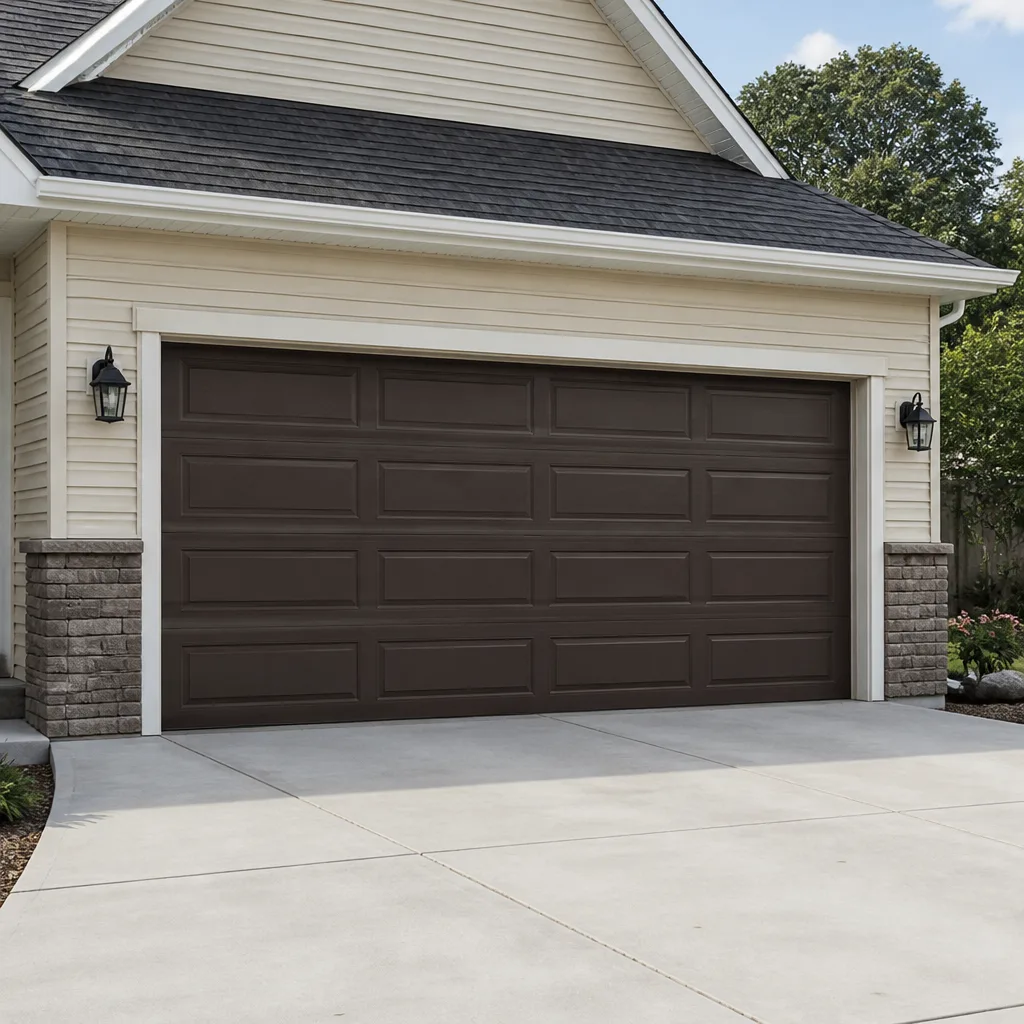 Raised-panel steel
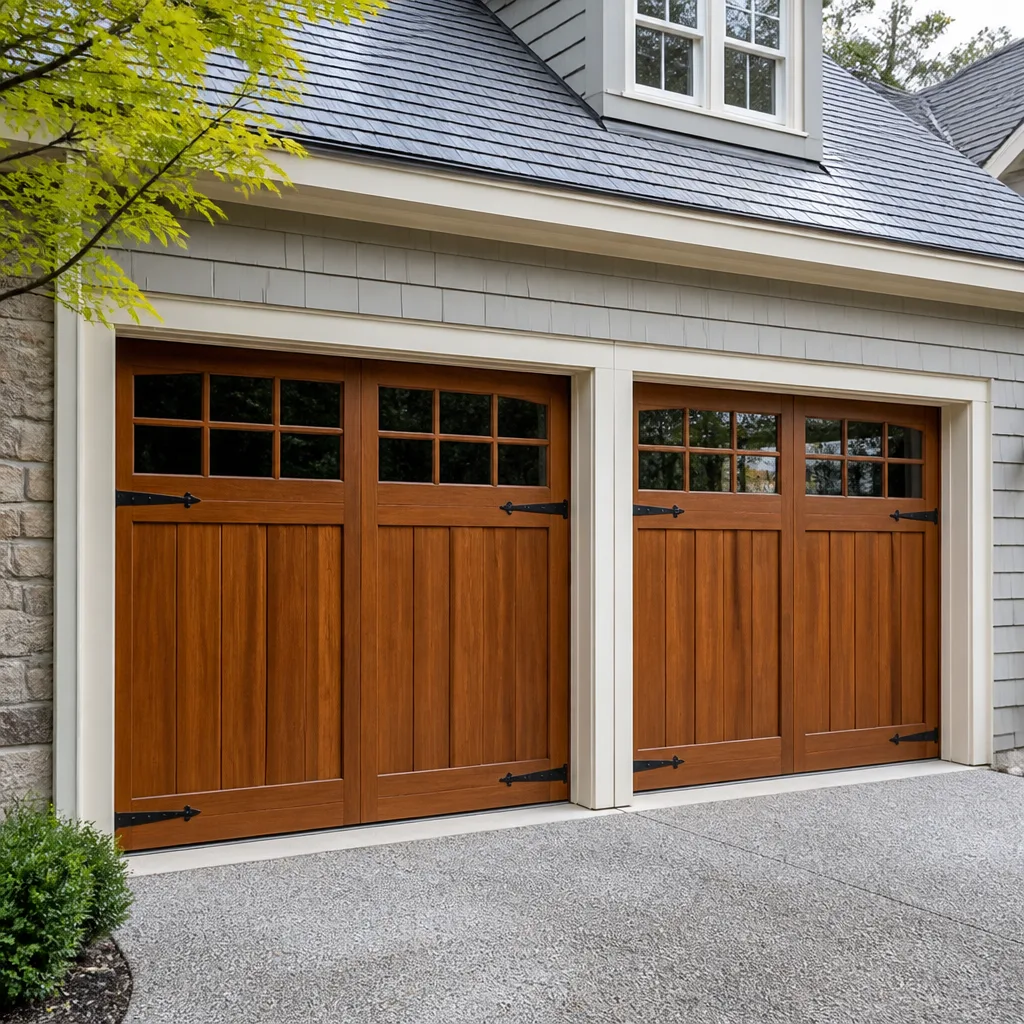 Carriage house
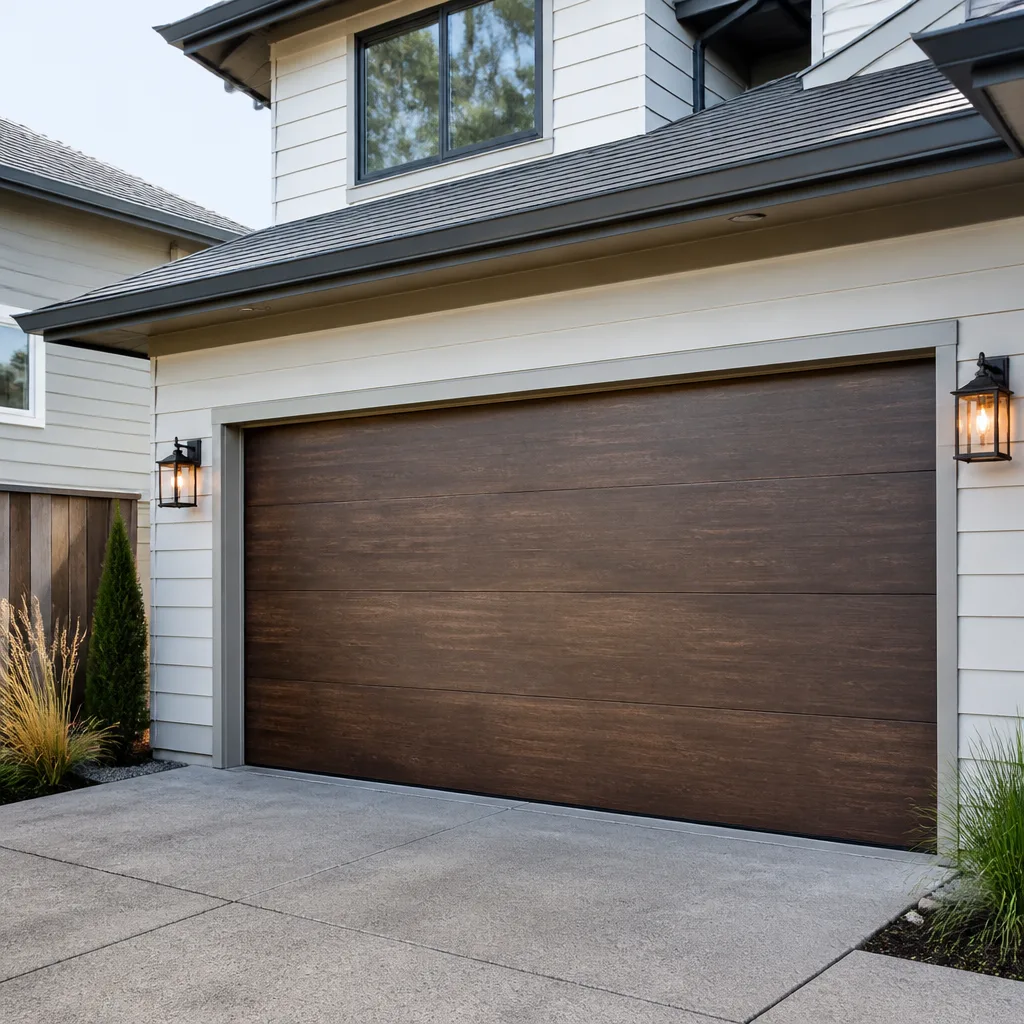 Modern flush
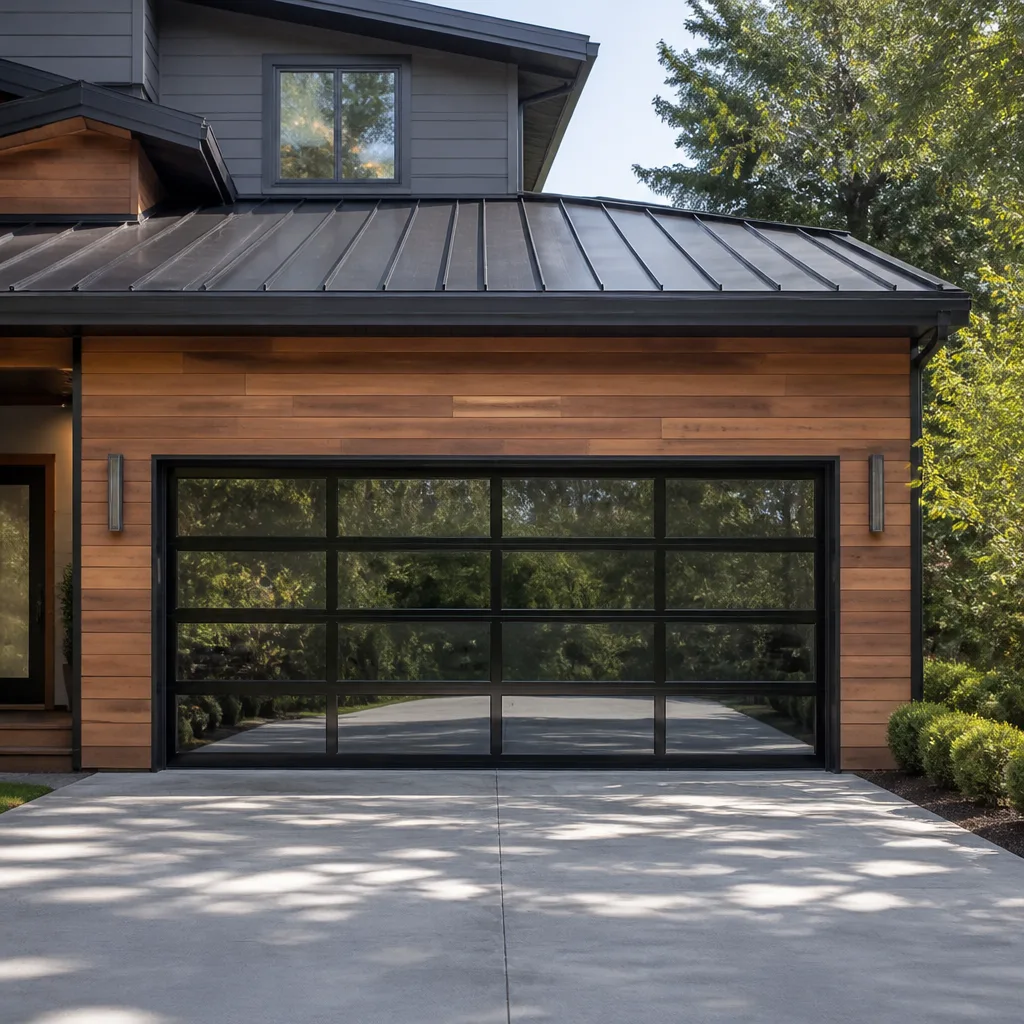 Full-view glass
 LiftMaster openers
 Chamberlain openers
Full 25-point door and opener safety check with every visit - springs, cables, rollers, tracks, and your LiftMaster or Chamberlain opener included
You get a price before we start. It does not change when the truck arrives.
Get your free estimateThe Complete Garage Door Repair Guide for Miami Homeowners
A garage door spring rated for 10,000 cycles in Denver can show stress corrosion in Miami Beach or Coral Gables within 18 months. That single fact changes the repair conversation for every homeowner in this city. Our salt air, hurricane-season humidity, and year-round heat mean your garage door is operating inside an environment that treats metal, wood, and electronics differently than almost anywhere else in the country. This guide covers what breaks first in Miami, what repairs you can reasonably handle yourself, what the county requires after storm damage, and how to tell the difference between a quick fix and a component that’s about to fail. For deeper coverage, see The Complete Guide to Garage Door in Miami. Whether you live in a 1950s ranch in Shenandoah or a bayfront condo in Edgewater, the repair calendar here is genuinely different. Here’s what Miami homeowners need to know to avoid overpaying for patched work and under-repairing real problems.
Styles & brands we work with
Quick Answer
Garage door repair in Miami typically involves corrosion-related spring, cable, or track issues that national guides rarely address. Most Miami homeowners should plan our Garage Door Repair services for a professional inspection before hurricane season each year and after any significant storm event. Repairs that involve torsion springs, cables under tension, or track realignment on a steel-reinforced Miami door should always be handled by a trained technician, while basic maintenance like track cleaning and sensor alignment is generally safe for confident DIYers working in the early morning hours before the heat peaks.
Table of Contents
- How Miami’s Climate Destroys Garage Door Components
- The First Signs Your Garage Door Needs Repair
- What Miami Homeowners Can Fix Themselves (And What Never To Touch)
- Miami-Dade Wind Load Requirements and Repair Legalities
- Pre-Hurricane-Season Garage Door Checklist
- Documenting Garage Door Repairs for Insurance Claims
- What Garage Door Repair Costs in Miami
- Common Mistakes to Avoid
- When to Call a Professional
- Frequently Asked Questions
- The Bottom Line
How Miami’s Climate Destroys Garage Door Components
The most common repair call we take from homeowners in Brickell, Coconut Grove, and Kendall isn’t a broken spring snapping without warning. It’s a gradual failure that’s been building for months: a door that was getting slightly harder to lift, a cable starting to show rust at the anchor point, rollers that squeak louder in August than they did in January. Miami’s environment accelerates every one of those failure curves. Here’s the breakdown of what the climate does to each major component.
Salt air is the primary culprit for coastal zip codes like 33139, 33140, and 33149. Airborne salt particles settle on springs, cables, hinges, and the inside of tracks. When humidity stays above 70 percent, which in Miami is most of the year, that salt becomes an electrolyte that drives corrosion far faster than you’d see in Orlando or Dallas. Torsion springs on garage doors in Miami Beach regularly show pitting and surface roughness within 24 to 36 months. Inland neighborhoods like Westchester or Doral fare slightly better on salt, but the humidity doesn’t discriminate between zip codes. A galvanized spring that would last a decade in a dry climate can show meaningful weakening in half that time here.
Humidity does something else that surprises homeowners: it swells wooden garage doors. Houses built in the 1940s through the 1970s around Coral Way, the Roads, and Buena Vista often still have solid-core wood doors that were installed before steel became standard. Those doors absorb moisture from the air, expand, and start binding against jambs that were perfectly square when the house was built. The door doesn’t need to be repaired because something broke. It needs realignment because everything swelled. In our experience, a wood door in a Miami house with poor garage ventilation can shift enough to scrape paint off the edges within a single summer.
Temperature swings, while less dramatic than northern states, still matter. A garage interior in Hialeah or Cutler Bay can hit 110 degrees on an August afternoon, then dip to the mid-70s at night. That daily thermal cycling causes metal tracks to expand and contract, which slowly loosens mounting bolts over time. If you hear a rattling sound when the door moves, check the track brackets before you buy a new opener. In a majority of cases, the opener is fine. The mounting hardware simply worked itself loose on a hot day.
The First Signs Your Garage Door Needs Repair
Garage doors rarely fail without warning in Miami. The signs are there, but they’re easy to dismiss as normal operation because they develop over weeks and months rather than overnight. Here are the indicators we tell homeowners to watch for, ranked by how urgently they suggest a repair.
- Jumping or jerking movement during open or close. This almost always points to a cable starting to fray, a spring losing tension, or track misalignment. In Miami’s humidity, the root cause is frequently rust at a cable anchor point. Address it early and the fix is often a cable replacement. Ignore it and the door can come off the track entirely.
- Squeaking that started as occasional and became constant. Salt air accelerates wear on metal-to-metal contact points. A roller that squeaked once a week in March and now squeaks on every cycle in June isn’t asking for lubricant. It’s asking for replacement.
- The door feels heavier than it did six months ago. This is the classic sign of spring fatigue. For doors without a functioning opener or if you disconnect the opener and open manually, a properly balanced door should feel relatively light and stay in place when half-open. If it slams down or drifts upward, the springs are losing tension and the opener motor is compensating. That compensation shortens opener life.
- Visible rust trails on the outside of the door. In Miami Beach and North Bay Village, rust stains running from the hinges or panel seams are cosmetic for now, structural later. The same corrosion that looks like a streak is eating the hinge pin or panel fastener underneath.
- One side of the door sits lower than the other when closed. On homes in Little Havana or Allapattah with slab foundations that have shifted over decades, this can also indicate differential settling. But in most cases, an uneven closed position is a spring tension imbalance or a stretched cable, not the house.
Why Miami Doors Fail Faster Than National Averages
If you’re comparing notes with family in another state, remember that repair timelines elsewhere are largely irrelevant here. A chain-drive opener that lasts 12 years in Phoenix might need a new gear in 7 years in a Miami zip code because the humidity degrades the plastic gear and belt materials faster. A spring rated for 10,000 cycles is still a 10,000-cycle spring, but a spring that’s corroding is functionally aging faster, because the metal fatigue threshold drops as surface rust turns into deeper pitting. The environmental multiplier is real and measurable.
What Miami Homeowners Can Fix Themselves (And What Never To Touch)
There’s a genuine middle ground between pure DIY and calling a technician for everything. In a city with Miami’s heat, that middle ground requires timing more than expertise. The safest repair window between June and September is the two or three hours after sunrise. Working on a metal garage door that’s been baking in the afternoon sun isn’t just uncomfortable, it’s genuinely harder to do well. Lubricant sprays evaporate on hot metal instead of penetrating. Sweat on your hands makes grip impossible. And patience, which is the real requirement for any successful DIY garage work, runs out quickly when the garage interior is 102 degrees. For northern readers, this sounds like a trivial concern. In Miami, it’s the difference between a properly seated sensor bracket and one that’s finger-tight and doomed to rattle loose in a month.
Safe for a Careful Homeowner in Miami
- Track cleaning with a dry brush and isopropyl alcohol. Salt deposits and grime build up on the vertical and horizontal tracks faster in Miami than anywhere else in Florida. A clean track lets the rollers travel smoothly, extending roller and opener life. Do this every three to four months.
- Photo-eye sensor realignment. If the door reverses for no visible reason, check the small sensors at the bottom of each track. They get bumped, they get dusty, or the brackets bend. Straightening them and cleaning the lens with a dry cloth resolves maybe 40 percent of phantom reversal calls we take.
- Lubricating rollers and hinges with a silicone-based lubricant. In Miami’s climate, oil-based lubricants attract salt and sand, turning into a grinding paste. Use a dry silicone or white lithium spray, and wipe the excess. This is not a repair, it’s maintenance, but it materially extends component life in coastal air.
- Tightening bolts on track brackets and hinge plates. Thermal cycling plus vibration works fasteners loose. A ratchet set and fifteen minutes twice a year saves the cost of a track realignment call.
Garage Door Repair in Miami work is something we do every day, but we’re the first to tell a homeowner that the simplest maintenance tasks are within reach for anyone comfortable with a screwdriver and a step stool.
Never Attempt in Miami’s Conditions
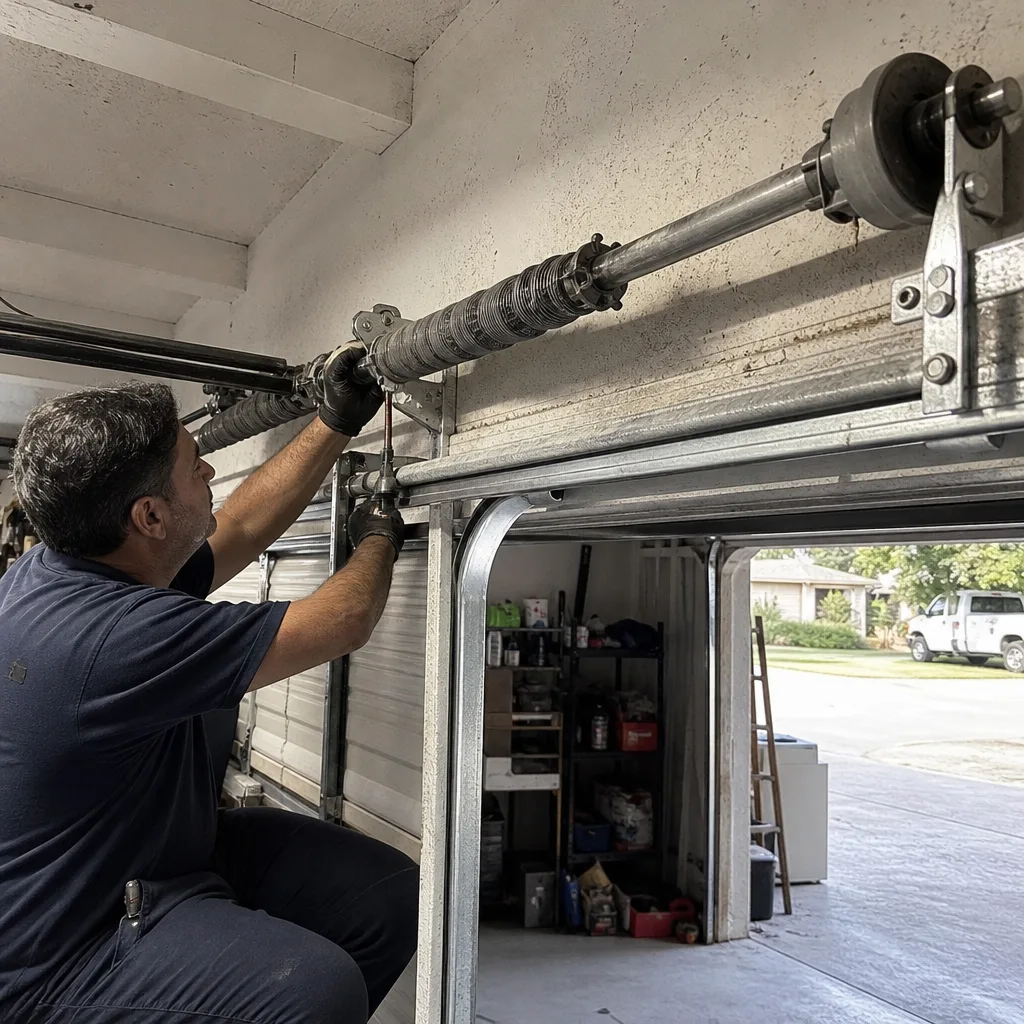
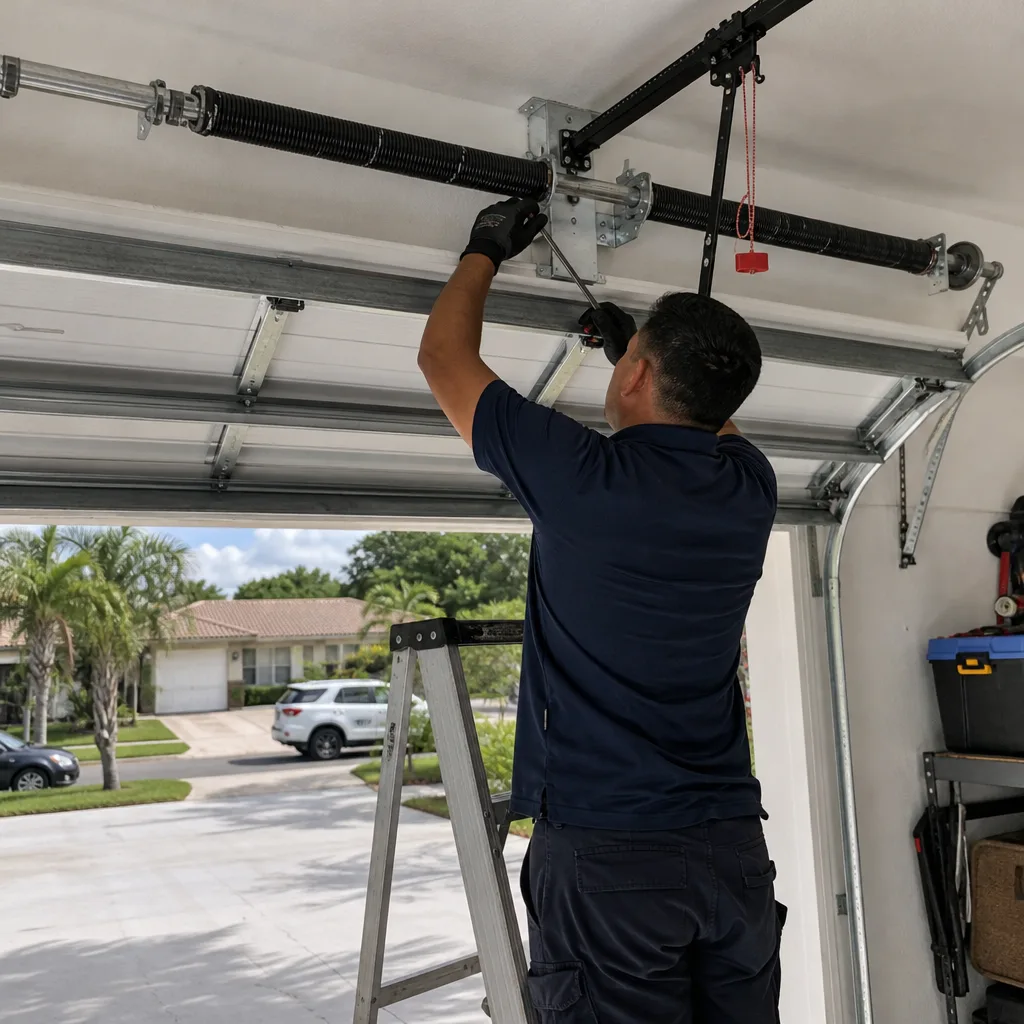
Torsion springs are under enough tension to cause serious injury or death if they break or release unexpectedly. In Miami, the corrosion factor makes them less predictable than the same spring in a milder climate. A spring covered in salt-derived surface rust can fracture at a lower stress threshold than the manufacturer intended. The repair process for torsion springs involves winding and unwinding bars, a job that requires specific tools and training. This is not a “watch one YouTube video and give it a try” situation in any climate, but our local environment raises the stakes further. The same caution applies to cables that have any visible rust or broken strands, which are under door-weight tension the entire time they’re connected, and to the bottom bracket assembly on older Miami doors, where wood rot around the anchor points can cause a loaded bracket to rip free without warning.
Miami-Dade Wind Load Requirements and Repair Legalities
Miami-Dade County has the strictest wind load standards in the United States. After a repair or replacement on the exterior components of a garage door, the reinstalled hardware must meet the county’s current code requirements. Here’s what that means when something fails on your door.
If a tropical storm or hurricane damages your garage door panel beyond repair, the replacement panel or full door must be a Miami-Dade County Product Control approved assembly. Contractors and permit offices check the Notice of Acceptance (NOA) number associated with the product. That NOA number verifies the door was tested to withstand the wind pressure and impact requirements for the specific wind zone of your address. A door approved for inland Kendall may not carry the same NOA listing as one approved for a bayfront home in Key Biscayne. The distinction matters because a home built in a wind-borne debris zone, which includes much of coastal Miami-Dade, requires impact-rated products that a large-swath inland address does not.
What does this mean for a simple spring replacement? In most cases, replacing a torsion spring or a cable doesn’t require a permit or a product reapproval, because you’re not changing the structure of the door. But when water intrusion or storm force has warped panels, rollers, or track assemblies, the question becomes whether the repair returns the door to code compliance or simply returns it to functioning. For a homeowner who wants the repair done legally and durably, any work that involves the door’s structural integrity, the track mounting system, or the opener’s integration with wind-rated doors should be performed by a contractor who understands Miami-Dade product approvals. We service every major brand that carries Miami-Dade approvals, including Clopay and Amarr, and we verify the NOA status of any replacement component before we reinstall it.
The practical takeaway: if a repair replaces like for like without changing the door’s structural performance, you’re generally safe to proceed without a permit. If the repair involves any structural modification or a new door, the product approval question becomes the first question, not an afterthought.
Pre-Hurricane-Season Garage Door Checklist
The single most useful service call a Miami homeowner can schedule is a pre-hurricane-season inspection. Here’s the checklist we recommend, in order of priority, with completion target dates.
- Inspect and replace rusted cables (April). Cables are the highest-risk component in a wind event. If a cable fails while the door is partially open or while it’s bracing against wind pressure, the door can rack and jam. Replacing cables in April costs less than replacing a full door in September.
- Verify spring balance (April). A properly balanced door is essential for hurricane bracing. An unbalanced door can’t be locked into place against storm pressure effectively.
- Check track alignment and mounting bolts (May). Wind pressure pushes against the entire door surface. If the track bolts have been loosened by thermal cycling, the wind load has an easier time pulling the door away from the structure.
- Confirm the opener’s manual release works (May). During a prolonged power outage, you’ll want to open and close the door by hand. The release cord should work smoothly. Test it, then re-engage the opener.
- Document everything with photos (June 1 deadline). Clear photos of the door, springs, cables, tracks, and panels, with date stamps, are the most valuable insurance documentation you can have before a named storm arrives. More on that in the next section.
The dry season, from November through April, is the best time to schedule non-urgent garage door work in Miami. Contractors are less backlogged, materials are more readily available, and the work itself is more pleasant in lower humidity. If you’re planning a door replacement or a major component upgrade, aim for the December-to-March window. For Garage Door Opener Repair in Miami, the same scheduling logic applies: opener motors and gears last longer when installed and calibrated in cooler, drier weather.
Documenting Garage Door Repairs for Insurance Claims
Miami homeowners have a different relationship with insurance claims than homeowners in almost any other market. After a storm, adjusters are overwhelmed, claims processing slows, and the difference between a paid claim and a debated one often comes down to documentation quality. Here’s the process we recommend, based on years of helping Miami clients document storm-related garage door damage.
- Photograph everything before storm season. Not during, not after. Before. Every angle of the door, the springs, the cables, the track system, and the opener motor. The photos establish a pre-existing condition baseline. A door that was scratched in March and replaced in September is an easier claim than a door photographed for the first time when the damage is already done.
- Video your door in operation. Film the full open and close cycle from both the interior and exterior side. The video records the speed, the noise level, and the smoothness. After a storm, a new video is your comparison point for how the door performs differently.
- Save every maintenance and repair receipt. If you replaced springs, cables, or a roller set in the last five years, those receipts establish that the door was maintained and not pre-damaged. Insurers in Miami are aggressive about denying claims on the theory that a door was already in disrepair before the storm.
- Document garage flooding separately from physical door damage. Miami homeowners often discover that water came through the garage door opening during a storm. That’s a flooding claim, not a door damage claim, and the two are processed differently by most policies. Photograph the water line on the interior walls and the condition of the door’s bottom seal immediately.
- Keep the damaged components. Don’t throw away a bent panel or a snapped cable until your adjuster has seen it, photographed it, and written it up in the claim file. In Miami’s heat, rust forms quickly, but the physical component remains evidence of the loss.
For homeowners in the wind zone along the coast, this documentation matters more each year. It’s not about gaming the system. It’s about making an accurate claim that doesn’t get denied for lack of supporting evidence. Need a professional baseline inspection before the next season? Craftsman Garage Door Repair home offers free estimates on pre-season and post-storm service inspections. Call (844) 734-6077 and we’ll document everything with a written report you can keep for your files.
What Garage Door Repair Costs in Miami
Miami garage door repair pricing reflects two local realities: parts availability is strong because of the sheer volume of doors in the metro, and the cost of labor is meaningfully higher than the state average because of the cost of doing business in Miami-Dade County. Here are the ranges we see for common repairs across Miami neighborhoods, from Homestead through Aventura.
| Repair Type | Typical Miami Price Range | Notes |
|---|---|---|
| Torsion spring replacement (single) | $180 – $320 | Includes replacement spring, labor, and balance check. Coastal homes may need higher-cycle springs. |
| Torsion spring replacement (pair) | $300 – $480 | Recommended when one spring has failed and the other is the same age. Most Miami doors use two springs. |
| Cable replacement (single) | $120 – $200 | If the old cable snapped, expect a full track check for the underlying cause. |
| Roller replacement (set of 10-12) | $90 – $160 | Nylon rollers with sealed bearings cost more than steel but last longer in humidity. |
| Track realignment | $100 – $250 | Wood-swell doors and slab-shift houses in older Miami neighborhoods often need this annually. |
| Opener motor replacement | $250 – $650 | Depends on brand, horsepower, and whether the rail assembly is reused. Genie and LiftMaster parts are commonly in stock. |
| Full weather seal replacement | $80 – $180 | Essential in Miami monsoon season. Keeps water, salt air, and insects out. |
Before any work begins, the price is quoted and agreed. There’s no Miami scenario where we open up a door, discover a surprise, and then bill for unapproved work. If the quote changes because of something we find, we stop and call you with the revised figure. Written pricing, upfront. That’s the expectation every homeowner in this city should have for any contractor, and it’s the standard we hold ourselves to on every job from Pinecrest to North Miami.
When a full replacement makes more sense than another repair, the conversation changes from repair pricing to Garage Door Installation in Miami, which involves measuring the opening, discussing material and wind-rating options, and scheduling the work rather than racing a deadline. A free measure and written estimate should always precede any installation quote. For a new door on a Miami home, that conversation should include Miami-Dade wind load approval status, regardless of what the old door had. Building codes change and what was compliant in 1995 may not be compliant in 2026.
Common Mistakes to Avoid
- Using WD-40 on the tracks. In Miami’s humid, salty air, WD-40 attracts more contamination than it repels. It leaves a film that dust, sand, and salt bond to. Use a dry silicone spray on the track and a white lithium grease on the torsion spring.
- Replacing one spring on a two-spring door. Garage doors with two springs have springs that fatigue at roughly the same rate. When one breaks, the other is close behind. Replacing only the broken one saves money today and costs more in total when the second one fails a few months later, often with an added service fee.
- Spray painting over rust on a coastal home in Miami. That rust is a symptom. The hinge or bracket underneath is structurally weakened. Painting over it leaves the weakened component in service and, worse, hides the visual warning that would have told you to replace it. In the salt-air zones, a rusted hinge is a hinge to replace, not repaint.
- Ignoring the bottom seal. A cracked or compressed bottom seal on a Miami garage door lets in humidity, salt, insects, and monsoon-season floodwater all year round. It’s the least expensive repair with the most expensive possible consequences if ignored for two or three storm seasons.
- Forcing a stuck door with the opener. If the door doesn’t move smoothly by hand, putting motor force behind it is how panels get dented, rollers get chewed up, and tracks get pulled out of square. Disconnect the opener and diagnose the mechanical issue before letting the motor try again.
- Waiting until August to schedule pre-season work. Miami’s contractor capacity fills fast in the weeks before a storm watch. The time to replace cables and schedule a spring check is April, not August.
When to Call a Professional
You should call a professional when the repair involves torsion springs, any cable with visible rust or broken strands, track realignment that requires resetting the entire system, or any opener issue that isn’t fixed by re-aligning the photo-eye sensors. These are the scenarios where the risk is highest and the margin for error is thinnest. A spring under tension in a Miami garage in August is a spring that has been heat-cycled, salt-exposed, and fatigued beyond its original specification. A cable that has rusted at the anchor point will fail under load, not in the driveway on a jack. And a door that comes off its track in a two-car garage usually damages the car, the drywall, or both.
Craftsman Garage Door Repair offers free estimates throughout Miami. We’ll come to your home in Brickell, Key Biscayne, Kendall, Coral Gables, or anywhere in Miami-Dade, diagnose the actual problem, and give you a written price before lifting a tool. Call (844) 734-6077 and we’ll schedule a visit at a time that works for you, with a technician who has already read this guide. Or just call and ask us the question on your mind. We’ll answer it directly.
Frequently Asked Questions
Most garage door repairs in Miami cost between $120 and $480 depending on the component, with torsion spring replacement being the most common repair in the $180 to $480 range depending on whether one or both springs are replaced. The final price is always quoted and agreed before any work begins. Call (844) 734-6077 for a free, specific estimate.
For emergency repairs, yes, we make same-day dispatch a priority for broken springs, snapped cables, and doors that won’t close or open, because a garage door that won’t operate in Miami is a security and weather-protection problem, not just an inconvenience. Call (844) 734-6077 and we’ll give you a straight answer on today’s availability.
Twice a year. Once in the spring, before hurricane season, and once in the fall, after the summer humidity and salt exposure peak. In coastal zip codes like Miami Beach and Key Biscayne, the pre-season inspection matters most. In inland areas like Doral and Hialeah, the dry-season service in November or December is the more valuable call.
A Miami-Dade wind-rated door has been tested and approved for wind pressure and impact resistance required by the county building code for your specific home location. A standard door that lacks a Notice of Acceptance (NOA) number from Miami-Dade Product Control cannot legally be installed on a home in a wind-borne debris zone. This matters for new installations and for any repair where structural components are involved, and it’s not a decision a homeowner should make based on price alone.
We work on virtually every major brand, including Genie, Clopay, Amarr, and Wayne Dalton, along with the openers from LiftMaster, Chamberlain, and Craftsman. Our technicians diagnose by system knowledge, not guesswork. The right fix is the one that works for the system you already own, not the one that sells you a replacement.
No. The price we quote is the price you pay. If we open the door and find something unexpected, we stop work and call you with a revised quote before any additional work proceeds. You approve every dollar before it’s spent. This is standard practice at Craftsman Garage Door Repair, and it’s the only way we work in Miami.
The Bottom Line
Miami garage door repair is a different discipline than garage door repair anywhere else. The climate corrodes, swells, expands, and fatigues components on a schedule that national guides simply don’t account for. The county’s wind standards add a layer of legal and structural responsibility that doesn’t exist in most of the state. And the insurance landscape rewards documentation and punishes improvisation. The smartest thing a Miami homeowner can do is stay ahead of the failure curve: lubricate with the right products, schedule a pre-season inspection, photograph everything, and call a technician when the job involves tension, track geometry, or code compliance. When you need that technician, Craftsman Garage Door Repair home is one call away at (844) 734-6077. We’ll diagnose what’s actually wrong, quote a fair price, and fix the brand you already have.
Written by the team at Craftsman Garage Door Repair, serving Miami since 2012. Browse more guides & resources.
See the difference
 Before
 After
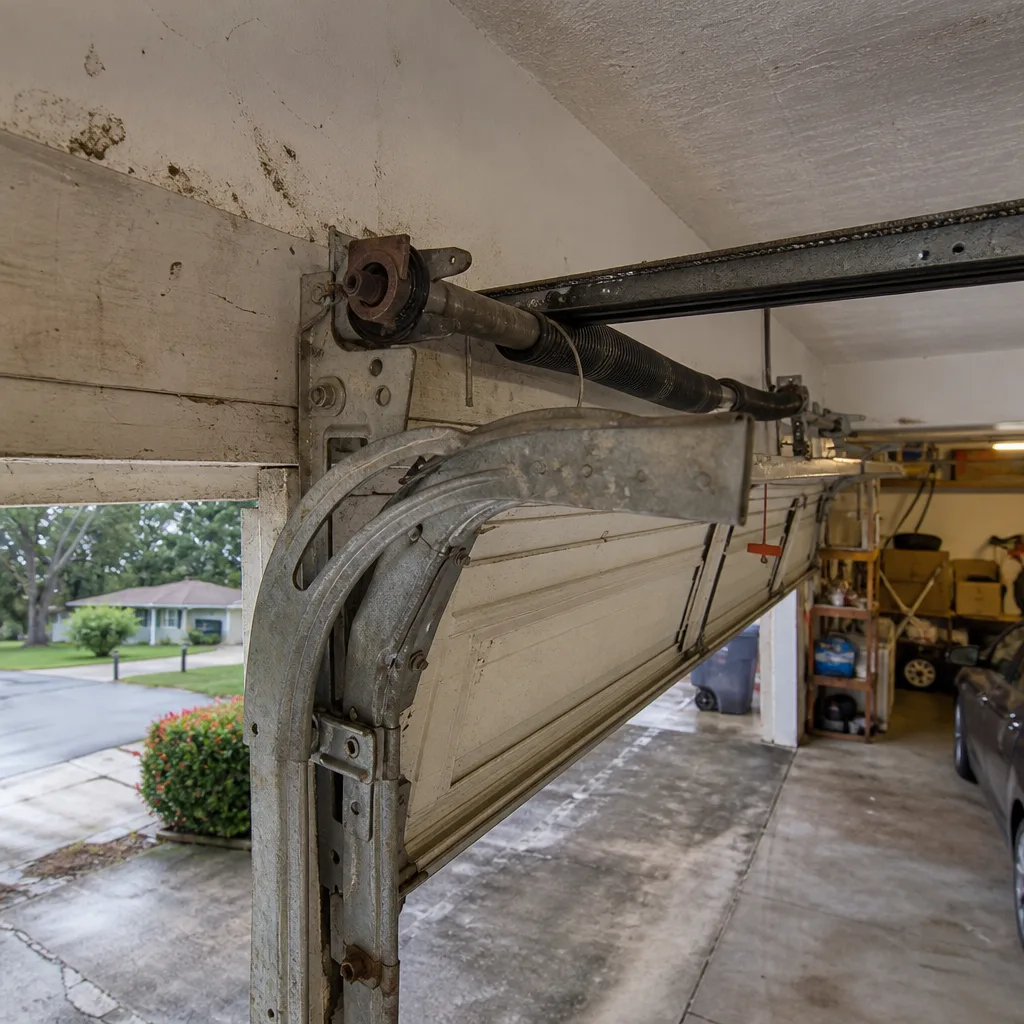 Before
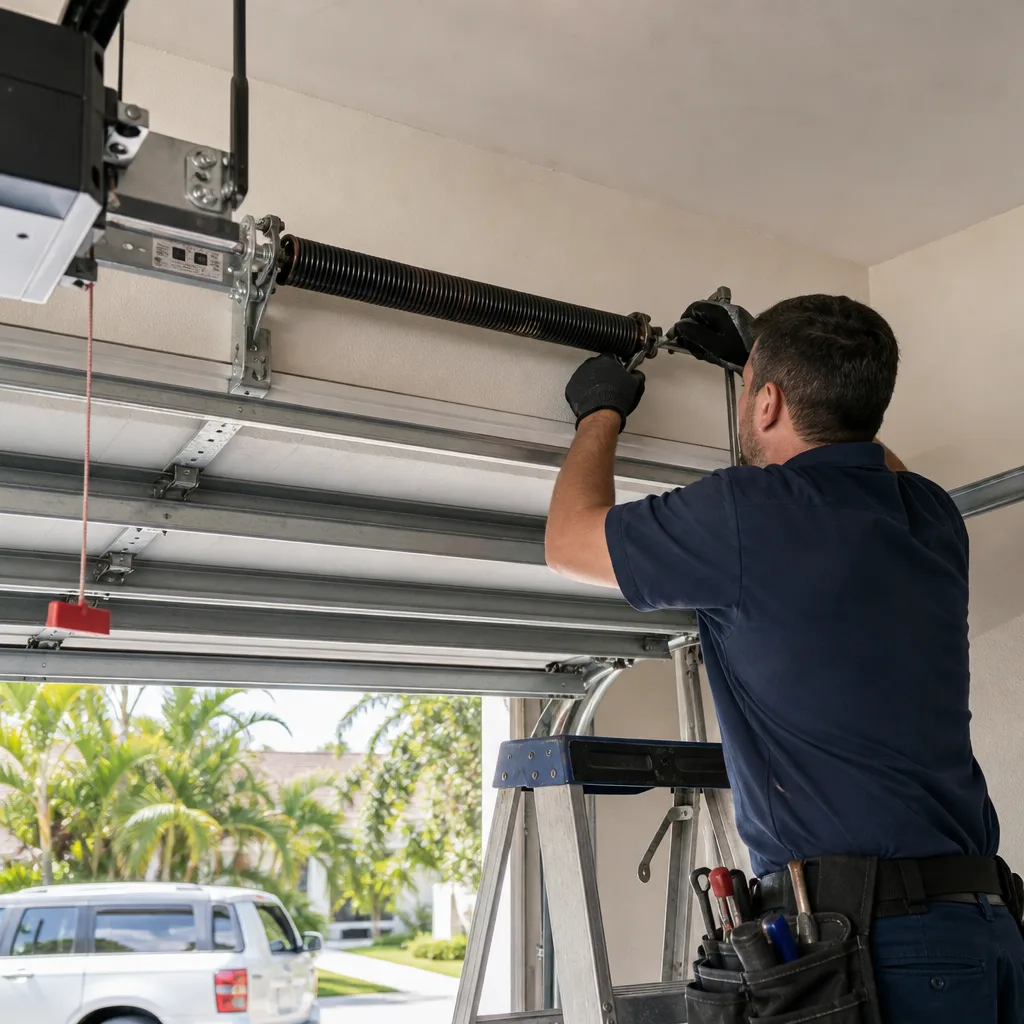 After
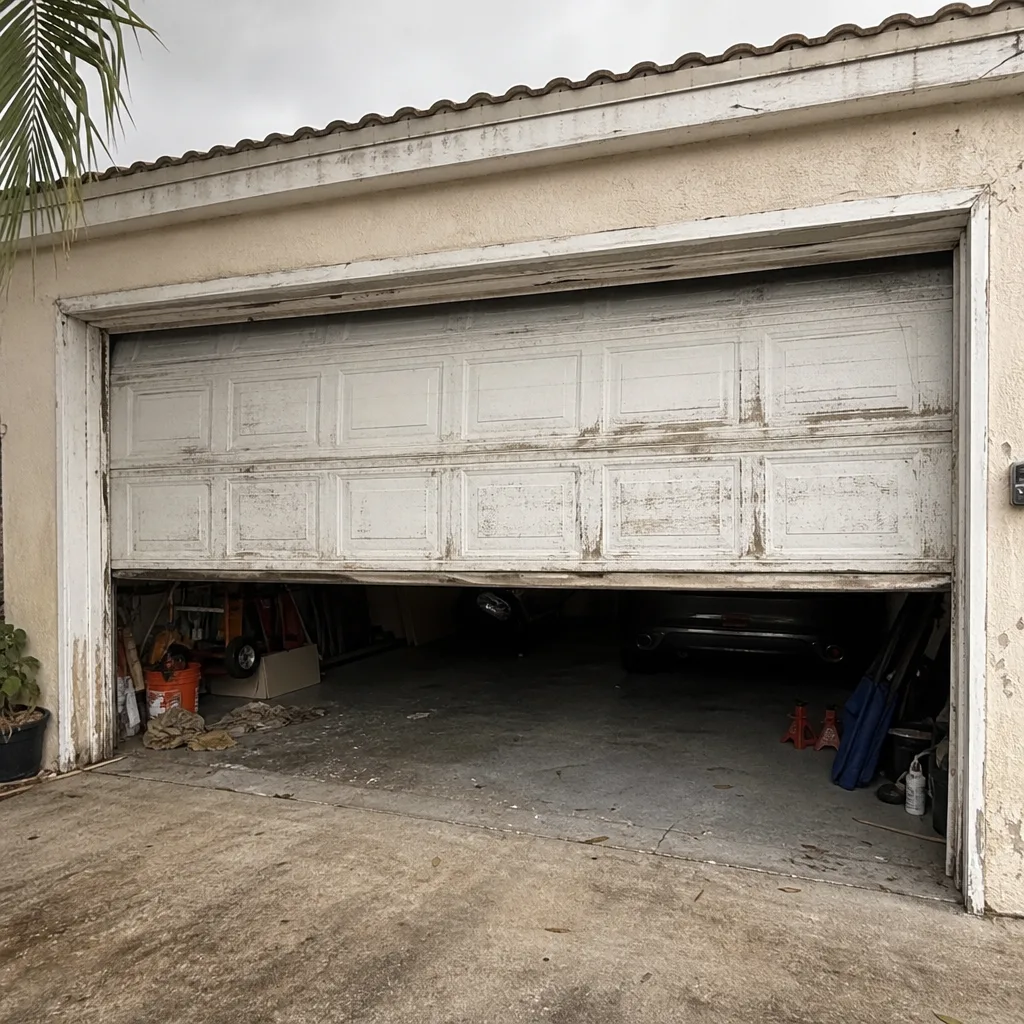 Before
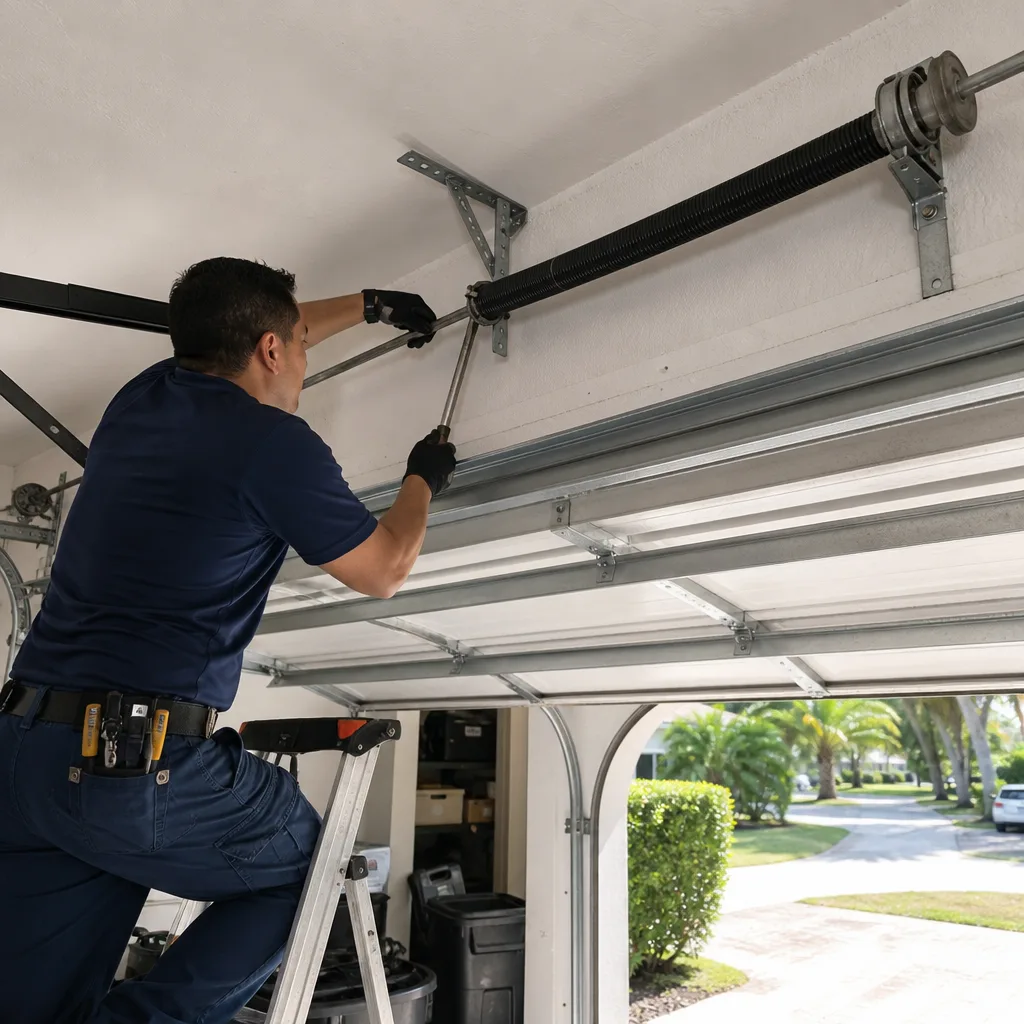 After