

Last updated October 31, 2026
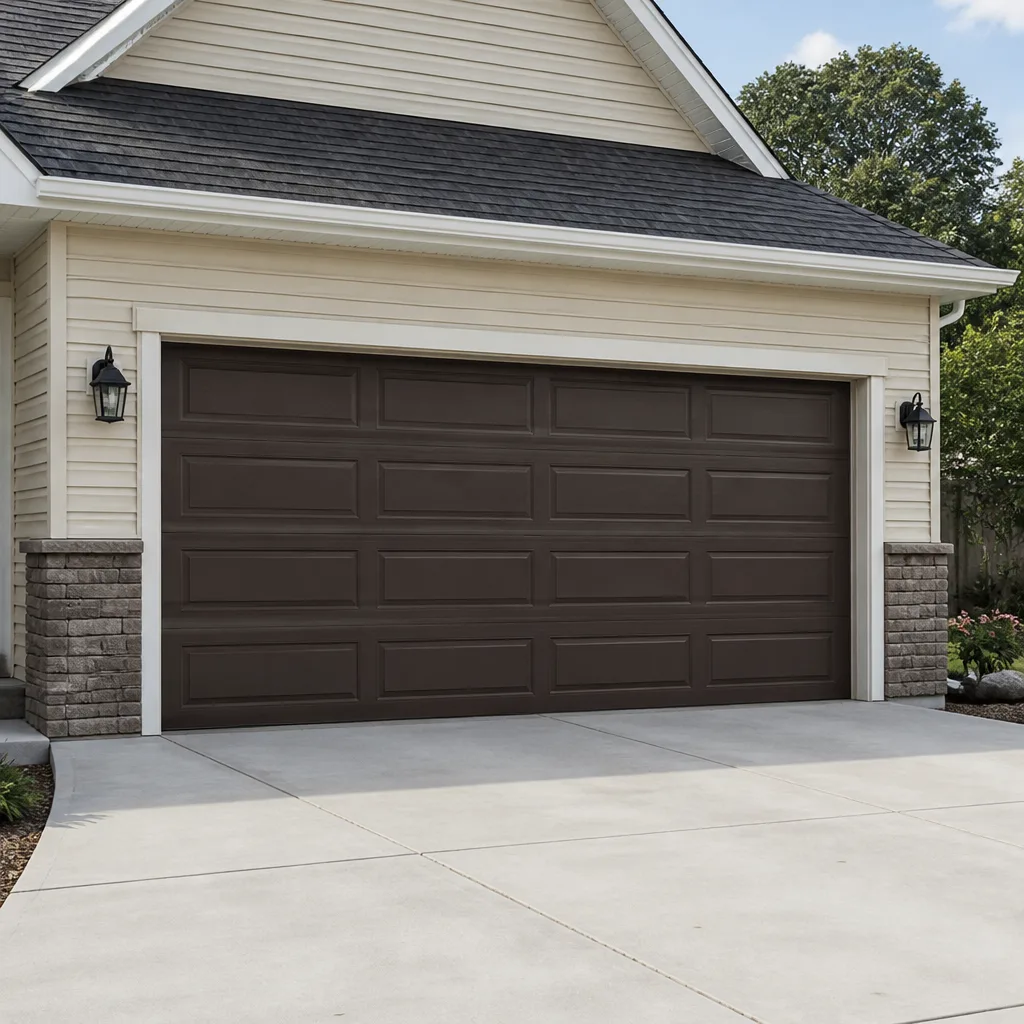 Raised-panel steel
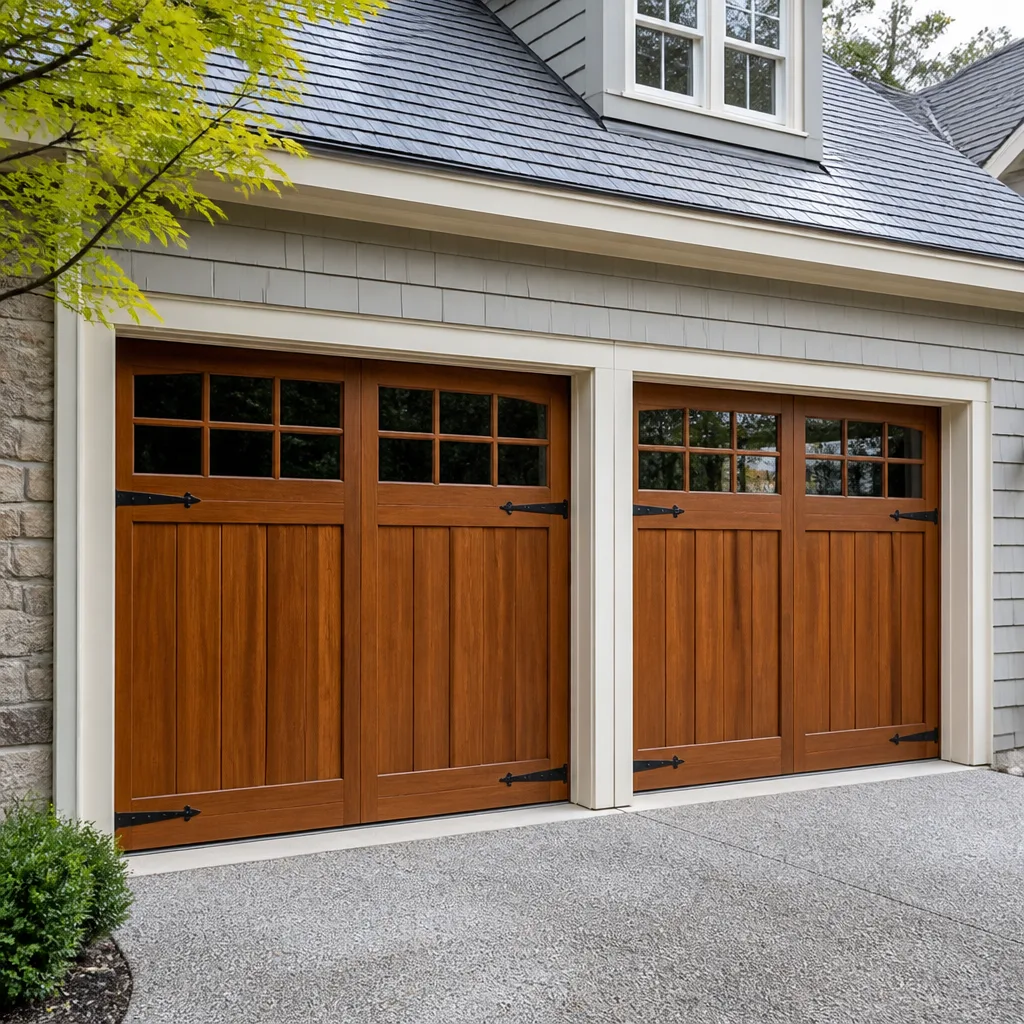 Carriage house
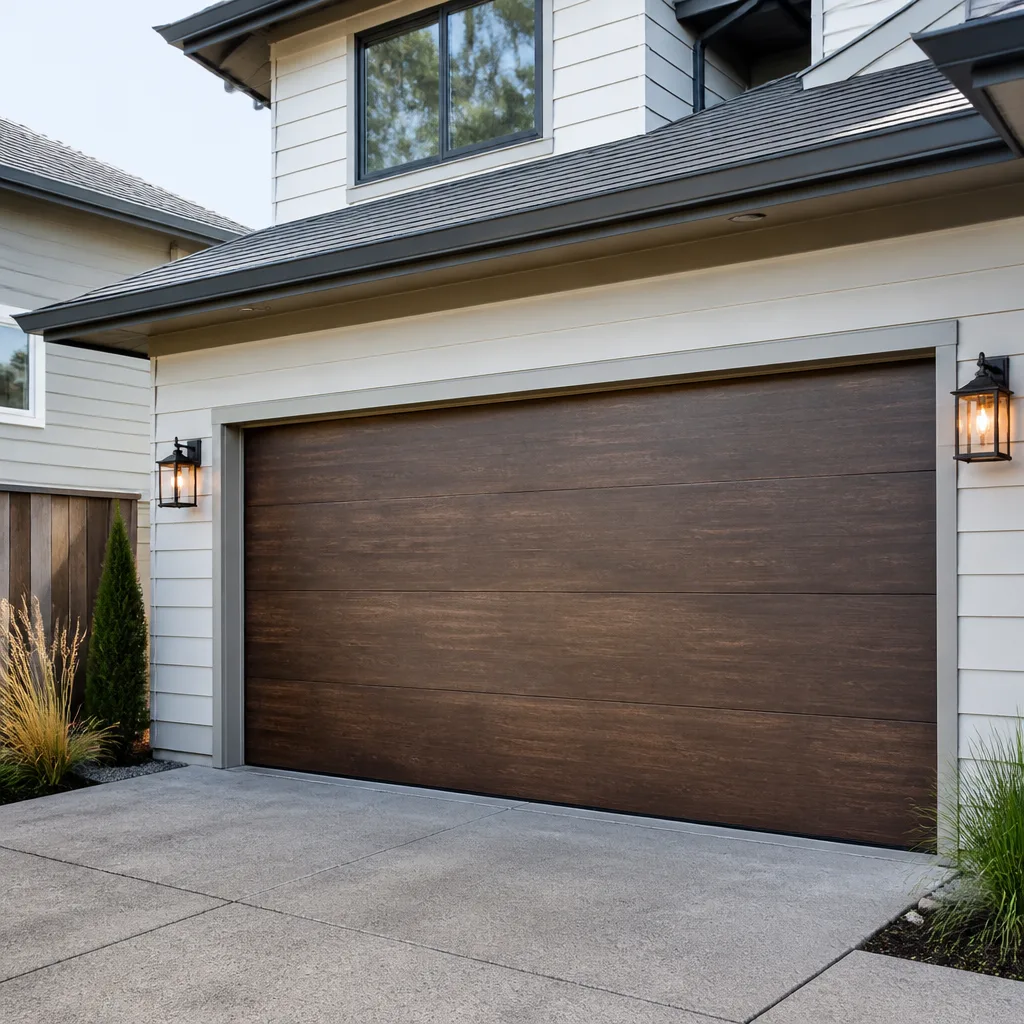 Modern flush
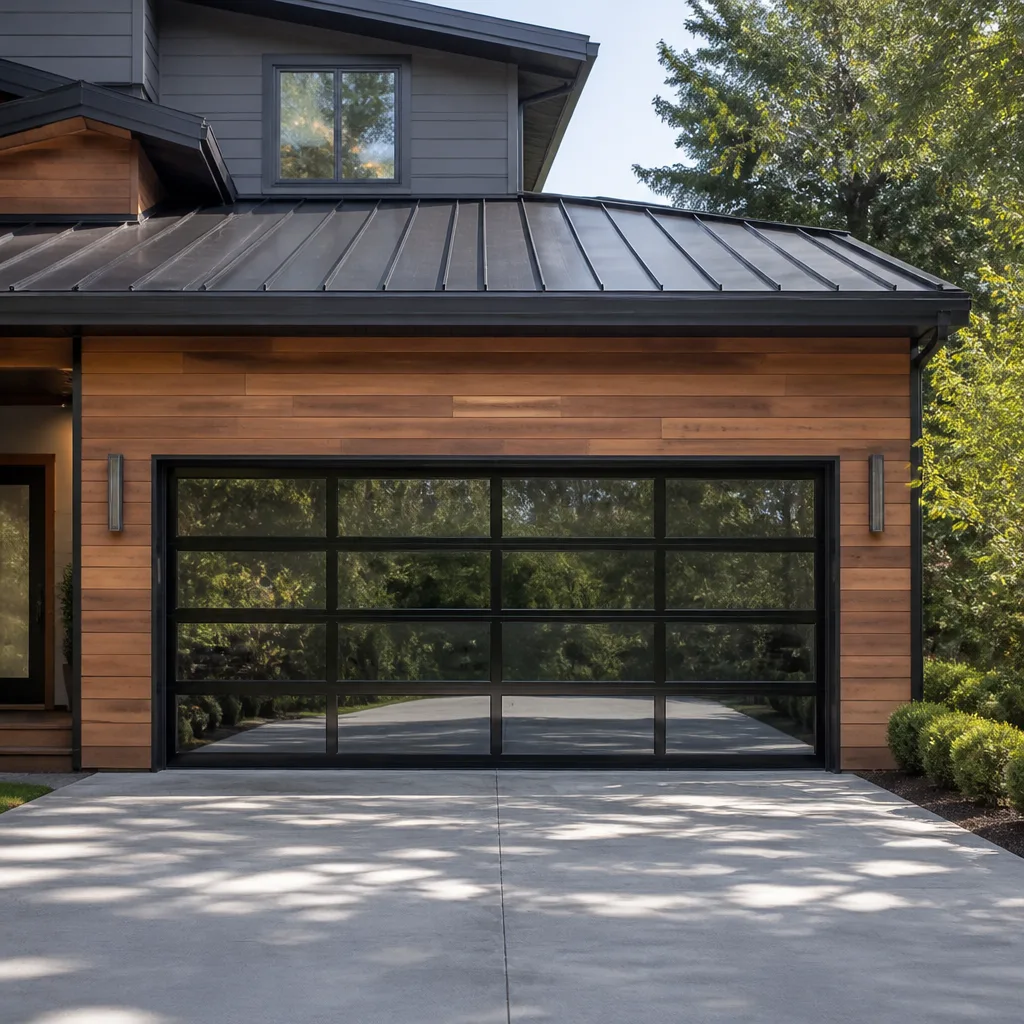 Full-view glass
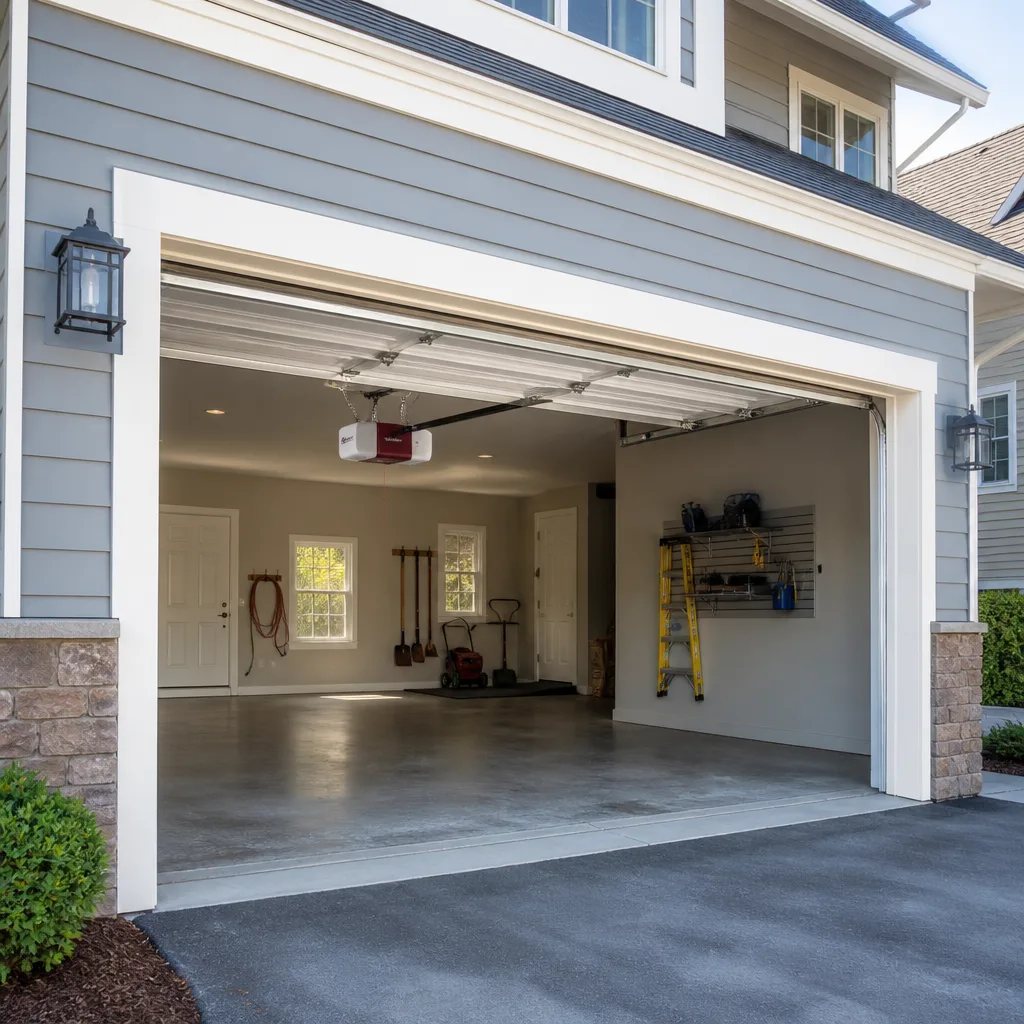 LiftMaster openers
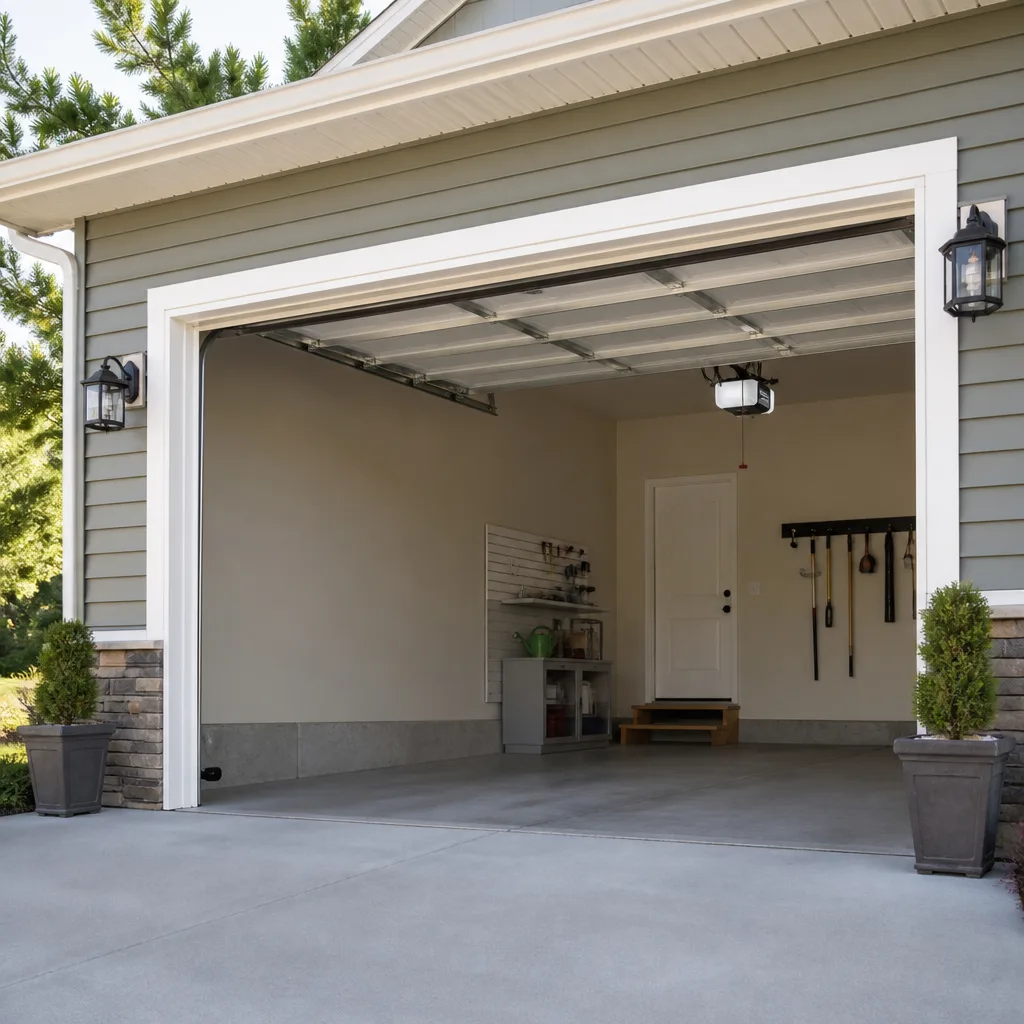 Chamberlain openers
Full 25-point door and opener safety check with every visit - springs, cables, rollers, tracks, and your LiftMaster or Chamberlain opener included
You get a price before we start. It does not change when the truck arrives.
Get your free estimateSeasonal Garage Door Care for Miami: Year-Round Homeowner’s Guide
Every spring, Miami homeowners run hurricane prep checklists for their roofs, windows, and landscaping, and skip the garage door entirely. That’s a costly oversight. The garage door is the largest single opening in most Miami homes, and it’s the first failure point in a wind event. This guide maps garage door maintenance to Miami’s actual climate: the wet season, the dry season, and the hurricane season that overlaps both. For more context, see The Complete Guide to Garage Door in Miami. You’ll learn what to inspect in April before the first named storm, how daily 90% humidity cycles affect different door materials, and what to check after any storm passes, whether your door looks damaged or not.
Styles & brands we work with
Quick Answer
Seasonal garage door care in Miami means aligning maintenance with three real seasons: pre-hurricane hardening in April and May, humidity and corrosion control from June through October, and dry-season lubrication and salt removal from November through April. The single highest-impact task is inspecting and replacing weather seals and confirming wind-load hardware before hurricane season. Most Miami garage doors fail from neglect of routine seasonal adjustments, not from age.
Table of Contents
- Why Miami’s Climate Is Different for Garage Doors
- Pre-Hurricane Season Prep: April and May
- Wet Season Humidity and Corrosion: June Through October
- Post-Storm Inspection Protocol
- Dry Season Cleaning and Lubrication: November Through April
- What Miami Homeowners Can Skip (and Where to Redirect That Time)
- Brand-Specific Seasonal Notes for Miami Doors
- Common Mistakes to Avoid
- When to Call a Professional
- Frequently Asked Questions
- The Bottom Line
Why Miami’s Climate Is Different for Garage Doors
A garage door in Miami lives a different life than one in Atlanta or Dallas. We don’t get freezing temperatures, so certain failure modes simply don’t exist here. But we get three other forces, often in the same week: sustained high humidity, salt-laden air, and tropical wind loads.
Miami’s relative humidity averages 73% year-round and routinely exceeds 90% on summer afternoons. That moisture penetrates wood fibers, accelerates rust on steel hardware, corrodes electrical contacts inside opener motors, and degrades rubber weather seals faster than in any dry climate. Salt from the Atlantic adds a second corrosive layer for homes within five miles of the coast: Aventura, North Miami Beach, Brickell, Coral Gables west to 72nd Street, and anywhere east of I-95.
Then there’s wind code. Miami-Dade County has the strictest wind-load requirements in the country. External doors, including garage doors, must meet High Velocity Hurricane Zone standards. That means your garage door system includes specific wind-load hardware: reinforced tracks, heavier-gauge hinges, and bracing systems. That hardware needs annual inspection. A door that meets Miami-Dade code at installation still degrades over time, and a single corroded hinge or loose track bolt can reduce the entire assembly’s wind rating.
Understanding this baseline matters because a generic maintenance checklist written for national consumption doesn’t account for Miami’s reality. Seasonal care here isn’t calendar-driven; it’s event-driven and climate-driven.
Pre-Hurricane Season Prep: April and May
The most important maintenance window in Miami is April and May. That’s before the first tropical system of the season, before the daily afternoon downpours lock in, and before hardware stores sell out of weather seal. Here’s what to inspect and adjust.
First, the weather seal. The bottom rubber seal, known as the astragal, flattens and cracks over time. In Miami’s sun, it also bakes and hardens. A compromised seal lets driven rain into the garage during summer storms, and during a hurricane, it’s a water-ingress point. Run your hand along the bottom seal and look for flat spots, cracks, or gaps. Replace it if it’s older than two years or shows visible wear. The side and top seals matter too, but the bottom seal takes the most abuse from heat and standing water.
Second, wind-load hardware. Miami-Dade code requires specific bracing on garage doors. Check the roller brackets, the horizontal track reinforcement, and the hinges for signs of corrosion or looseness. Tighten loose bolts. If you see rust on structural hardware, don’t just paint over it; have a technician assess whether the hardware still meets wind-load rating. This is the single most overlooked pre-season check. Homeowners look at the door panels and forget the hardware that holds the door to the house.
Third, the manual release. During hurricane prep, you’ll need to operate the emergency release if you plan to manually open the door. Pull the red cord and verify it disengages and re-engages smoothly. Lubricate the mechanism if it’s stiff. A manual release that sticks during a power outage after a storm turns a manageable situation into a problem.
Fourth, opener battery backup. If your opener has a battery backup unit, test it in April. After a hurricane, power outages in Miami can last days, and a functioning opener means you can get your car out or secure the door without manual lifting.
If any of these checks reveal problems, garage door repair in Miami before hurricane season is far less expensive than after. The time to find a rusted bracket is April, not October.
Wet Season Humidity and Corrosion: June Through October
From June through October, Miami settles into a daily rhythm: hot mornings, building clouds, and afternoon thunderstorms dropping an inch of rain in thirty minutes. The humidity sits at 90% by 2:00 PM almost every day. That cycle creates specific stress patterns on garage door systems.
Wood doors expand and contract with moisture. A wood garage door in Coral Gables or Coconut Grove can swell enough to bind against the frame after weeks of 90% humidity. When the humidity briefly drops or the air conditioning dries out the garage, the wood contracts and the door re-settles. This repeated movement loosens hinges, cracks paint, and warps panels over time. Composite doors handle humidity better, but the underlying frame and track mounts can still shift.
Steel hardware corrodes differently in Miami than it does inland. The combination of heat, moisture, and salt creates a more aggressive corrosion pattern than rust that forms in cooler damp climates. Look for pitting on hinges and roller stems, not just surface rust. Pitting means the metal has been compromised. If you see pitting on load-bearing hardware, replace it before hurricane season.
The wet season also attacks electrical connections. Opener motors and wall control units operate in a humid, often uninsulated garage. Condensation forms inside the motor housing during temperature swings, and corrosion on circuit boards is one of the most common causes of opener failure we see. If your opener is older or has been exposed to repeated wet-season cycles, garage door opener repair in Miami providers see a surge in calls every September and October.
Finally, lubrication degrades faster in high heat and humidity. Check rollers and hinges monthly during the wet season. If they’re dry or squeaking, reapply a silicone-based lubricant. Avoid grease and heavy oil, which attract dirt and gum up in Miami’s heat.
Post-Storm Inspection Protocol
After any named storm passes through Miami, even if the door appears undamaged, run a structured inspection. Most damage from hurricane-force wind isn’t visible from the driveway. Here’s the protocol.
- Check the door balance. Disconnect the opener using the manual release and lift the door by hand. It should lift smoothly and stay in place halfway up. If it drops or feels heavy, the spring tension has changed or a spring has microscopic fatigue. A door that’s suddenly hard to lift after a storm has a real problem, even if you can’t see it.
- Inspect track alignment. Look at the vertical and horizontal tracks from the inside. Wind pressure can flex the door enough to bend or shift tracks by a quarter inch. That’s enough to cause rollers to bind, which stresses the opener motor every cycle.
- Examine the panels from the inside, not just the outside. Impact damage often shows on the interior face first, where the panel skin has separated from the frame.
- Check mounting brackets and hinges. Look at bolts and brackets where the track attaches to the wall and ceiling. After a storm, these can loosen. Tighten anything that moves when you push on it.
- Cycle the door three times with the opener. Listen for changes in sound. A new grinding or thumping noise after a storm means something shifted. Ignore it and it becomes a larger repair.
- Test the auto-reverse and photo eye sensors. Storm-driven debris in the track or water intrusion into the logic board can affect these safety features. Place a roll of paper towels in the door’s path and close the door. It should reverse on contact.
If anything in this protocol fails or feels off, don’t wait. Post-storm conditions in Miami often mean power restoration takes precedence, but a damaged garage door that gets ignored for a week will bind, stress, and eventually fail. A failing door in a garage that’s already stressed from the storm becomes a security issue for everything in the garage and, through the interior door, the rest of the home.
Dry Season Cleaning and Lubrication: November Through April
Miami’s dry season runs from November through April, but “dry” is relative. It still rains, but the daily humidity spike pattern breaks, and the air shifts. This is the time for deep cleaning and maintenance that doesn’t work well in wet-season humidity.
The most important dry-season task is salt deposit removal. For homes east of US 1, and especially in Key Biscayne, Miami Beach, and Surfside, salt accumulates on all exposed metal: hinges, track, springs, and bolts. Over the dry season, salt deposits dry and crystallize, accelerating corrosion even in lower humidity. Wipe down all exposed metal with a damp cloth, then dry thoroughly. Pay attention to the horizontal track where salt spray settles.
Re-lubrication should happen in November and again in March. The shift from hot and humid to cooler and drier causes existing lubricant to harden and cake. Use a dry silicone spray on hinge pivot points and roller bearings. Do not use WD-40, which strips lubricant and attracts dirt. For the torsion spring, a light coating of white lithium grease is appropriate in Miami’s climate, but keep it light. Over-greasing in humid conditions collects grime.
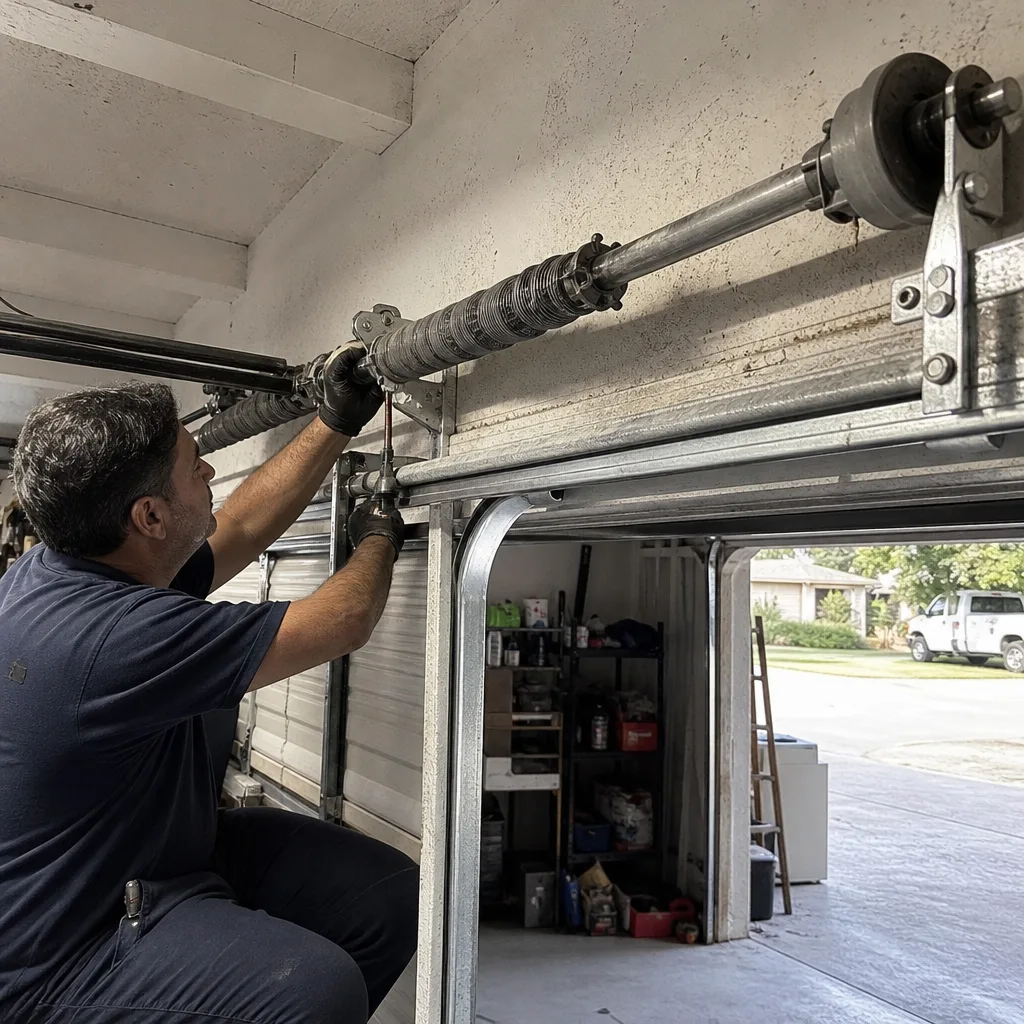
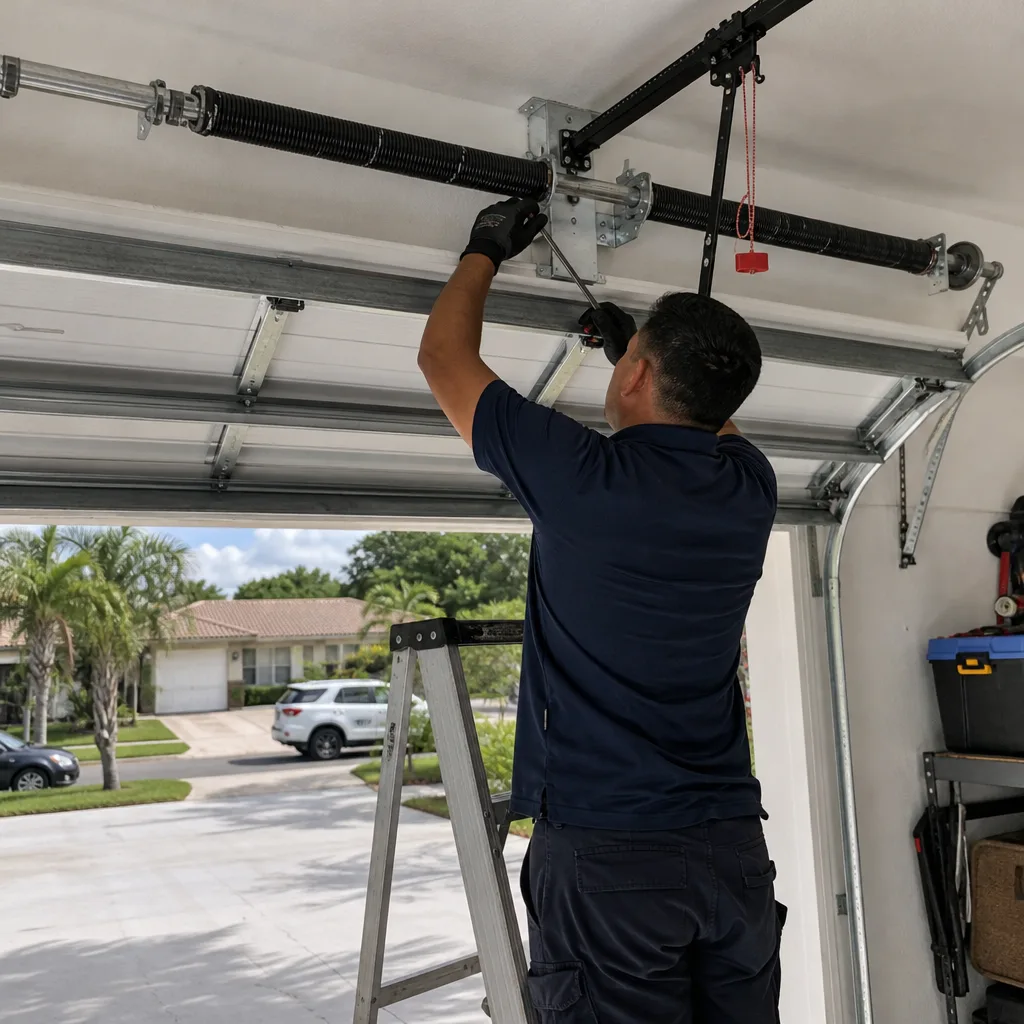
The dry season is also the right time to adjust spring tension. Metal expands and contracts with temperature changes, and the cumulative effect of a full wet season followed by cooler dry air changes the effective tension on both torsion and extension springs. If the door doesn’t hold position when opening or feels heavier than it did in March, call for a spring tune-up. Springs are dangerous and require specific tools and training. Do not attempt to adjust or replace them yourself.
Finally, the dry season is the right time to test the auto-reverse function on the opener. The National Safety Council recommends testing this monthly, but Miami homeowners are more likely to be in the garage in November through April, when the heat isn’t punishing, so it’s a natural time to build the habit. Looking for a new door or a complete system refresh? The team at garage door installation in Miami can assess whether repair or replacement makes more sense after a few years of heavy weather exposure.
What Miami Homeowners Can Skip (and Where to Redirect That Time)
Standard seasonal garage door maintenance guides are written for climates with winters. A checklist that tells you to test the door for cold-weather stiffness or inspect for frost heave is useless in Miami. Here’s what you can skip.
You don’t need to worry about cold-weather lubricant thickening. You’ll never need to de-ice a door seal. You don’t need to inspect for paint damage from road salt or snow melt. None of that applies.
But here’s where that time should go instead. The minutes you save not winterizing a Miami garage door should be redirected to three tasks that matter far more here than in northern climates:
- Monthly photo-eye sensor cleaning. Miami’s humidity and pollen from Spanish oak season in March and April create a film on sensor lenses. Nudge the sensor just slightly and the opener refuses to close. A five-second lens wipe once a month prevents this annoyance.
- Weather seal inspection every 90 days. In most climates, a bottom seal lasts three to five years. In Miami’s sun and standing water, two years is the realistic lifespan. Check quarterly, not annually.
- Battery backup testing every 60 days. Your roof and windows don’t have electric motors. Your garage door does. After a hurricane, having a functioning opener matters. Test the battery backup on a regular schedule, not just in April.
Redirecting the time you’d spend on winter prep to these Miami-specific tasks is how you extend hardware life in this climate. The national guides don’t tell you that. The climate here is exceptional, and the maintenance routine should be too.
Brand-Specific Seasonal Notes for Miami Doors
Different door brands respond differently to Miami’s climate, and knowing which system you have can sharpen your seasonal routine. See Choosing the Right Garage Door Brand: A Buyer’s Guide for Miami for help selecting a system suited to local conditions.
Clopay doors are common throughout Miami-Dade and Broward, and Clopay’s steel residential lines hold up reasonably well in humidity when the manufacturer’s finish is intact. The weak point on Clopay doors in Miami is the bottom seal design on older models, which tends to dry and crack faster than the door itself. If you have a Clopay steel door, check the bottom seal every 90 days, not seasonally.
Amarr produces a range of doors, including some wood composite series that perform differently in Miami’s humidity than solid wood. Amarr composite doors are less prone to swelling, but the hinge reinforcing plates and track brackets still require salt-aware inspection if you’re within two miles of the coast. The finish on Amarr steel doors is solid, but the hardware is the failure point in this climate, not the panel skin.
Chamberlain openers are the most common opener brand in Miami, and the main seasonal vulnerability is the logic board. Condensation inside the motor housing is a wet-season problem. If your Chamberlain opener starts behaving intermittently during July or August, the issue is often moisture, not the motor. We see this most often in uninsulated garages in Kendall and Palmetto Bay, where afternoon humidity spikes hard.
Genie openers are also widespread, and the screw-drive models in particular need different lubrication care than belt- or chain-drive units. Screw-drive Genie openers require a specific screw-drive lubricant applied to the rail, and in Miami’s dry season, that rail dries out and causes the opener to sound labored. If the opener sounds like it’s straining in January or February, check the rail before assuming the motor is failing.
The common thread: in Miami, the brand matters less than the failure mode, but knowing your brand and model helps a technician diagnose faster. That’s why we work on the brand you already have, from Craftsman Garage Door Repair home service standards, rather than steering toward a replacement you don’t need.
Common Mistakes to Avoid
- Skipping the weather seal inspection before hurricane season. A cracked or flattened bottom seal lets driven rain into the garage during a storm. The water damages stored items, creates mold, and accelerates corrosion on the door hardware. Replacing a seal in April costs a fraction of the water damage repair in September.
- Using WD-40 on every moving part. WD-40 is a solvent, not a lubricant. It strips existing lubricant and leaves metal surfaces dry and vulnerable to salt air. In Miami’s humidity, using the wrong product accelerates, rather than prevents, corrosion.
- Ignoring a door that’s harder to lift after a storm. A sudden change in door weight or balance after a hurricane means spring fatigue or track shift. Waiting to see if it “just goes back to normal” is how small post-storm issues become full spring replacements.
- Lubricating without cleaning first. Applying lubricant over salt deposits and dried grime forces abrasive particles into hinge pins and roller bearings. Clean first, then lubricate. This is especially important for homes within a few miles of the coast.
- Not testing the manual release until the power goes out. The emergency release cord sits unused for years, and when the power fails after a storm, a stiff or stuck release prevents manual operation. Test it in April, not in the dark after a hurricane.
- Painting over rusted tracks or hinges. Paint on load-bearing hardware is cosmetic. If a structural bracket or hinge is pitted or flaking, it needs replacement, not paint. A painted-over failure is a failure that’s been hidden.
- Assuming Miami-Dade wind-load hardware doesn’t need inspection. The hardware was installed correctly at the time and then exposed to years of salt air and humidity. Annual inspection of wind-load components is part of owning a garage door in Miami-Dade County, not an optional upgrade.
When to Call a Professional
Some seasonal maintenance tasks are DIY-appropriate: cleaning sensors, wiping down tracks, checking weather seals, listening for changes in opener sounds. Others are not. Spring adjustment and replacement, any work involving the torsion spring, track realignment after a storm, and any repair involving the opener motor or electrical connections require a trained technician. Torsion springs are under extreme tension and cause serious injury when they fail during DIY attempts. Track realignment looks simple but needs precision; an improperly aligned track stresses the entire system and shortens opener life.
If your post-storm inspection reveals anything questionable, don’t guess. Craftsman Garage Door Repair offers free estimates in Miami. Call (844) 734-6077 and describe what you’re seeing. A technician will tell you honestly whether it needs attention now or can wait until the next seasonal check.
Frequently Asked Questions
Lubricate hinges, rollers, and springs every three months year-round in Miami. The wet season’s daily 90% humidity degrades lubricant faster than in dry climates, and the dry season’s cooler temperatures cause existing lubricant to cake. Use a silicone-based spray for hinges and rollers, and a light white lithium grease for the torsion spring. Do not use WD-40. Call (844) 734-6077 if you want a technician to perform the full lubrication as part of a seasonal tune-up.
Replace the bottom weather seal every two years in Miami, regardless of appearance. The combination of intense sun, standing water from afternoon storms, and salt air degrades rubber seals twice as fast here as in most climates. If the seal is visibly flattened, cracked, or letting light through at the corners, replace it immediately. For an exact quote on seal replacement, call (844) 734-6077; estimates are free.
After any named storm, check six things: door balance, track alignment, panel integrity from the inside, mounting brackets, opener sound during three full cycles, and auto-reverse function. Most post-storm damage is not visible from the driveway. If anything fails these checks, call (844) 734-6077 for a professional inspection.
Yes, and it happens faster than most homeowners expect. Homes within five miles of the Atlantic, especially east of US 1, experience accelerated corrosion on hinges, springs, and track hardware from airborne salt. The fix is simple: wipe down exposed metal with a damp cloth during dry-season maintenance and replace any hardware that shows pitting. Call (844) 734-6077 if you’re not sure whether what you’re seeing is surface rust or structural damage.
You can leave the door in manual mode temporarily, but it’s not recommended for more than a day or two. A door left disconnected from the opener is easier to force open, and the opener’s internal safety sensors are bypassed. Reconnect the manual release as soon as possible after the storm and run a full safety check. If the opener won’t reconnect or cycles incorrectly, call (844) 734-6077.
If your current door was installed before Miami-Dade’s High Velocity Hurricane Zone requirements were tightened, or if the existing door has sustained repeated storm damage, a wind-rated replacement is worth evaluating. A new installation is measured, ordered, and scheduled, so start the conversation in April, not August. Call (844) 734-6077 for a free measure and written price.
The Bottom Line
Miami doesn’t have four seasons, but it has three weather realities that affect your garage door: the pre-hurricane window, the wet season, and the dry season. Aligning maintenance to those realities, not to a generic calendar, is how you extend the life of your hardware. The highest-impact actions are April weather-seal and wind-load inspection, post-storm balance and track checks, and dry-season salt removal and lubrication. Skip the winter-prep tasks that northern guides insist on and redirect that time to photo-eye cleaning, quarterly seal checks, and battery backup testing. A garage door in Miami that’s maintained on this schedule will outlast one that’s maintained on a checklist written for a different climate. Browse more guides & resources for year-round maintenance tips. And if anything in this guide uncovers a problem you didn’t know you had, call (844) 734-6077 for a free estimate. We’ll tell you honestly whether it needs attention now or can wait.
Written by the team at Craftsman Garage Door Repair, serving Miami since 2012.
See the difference
 Before
 After
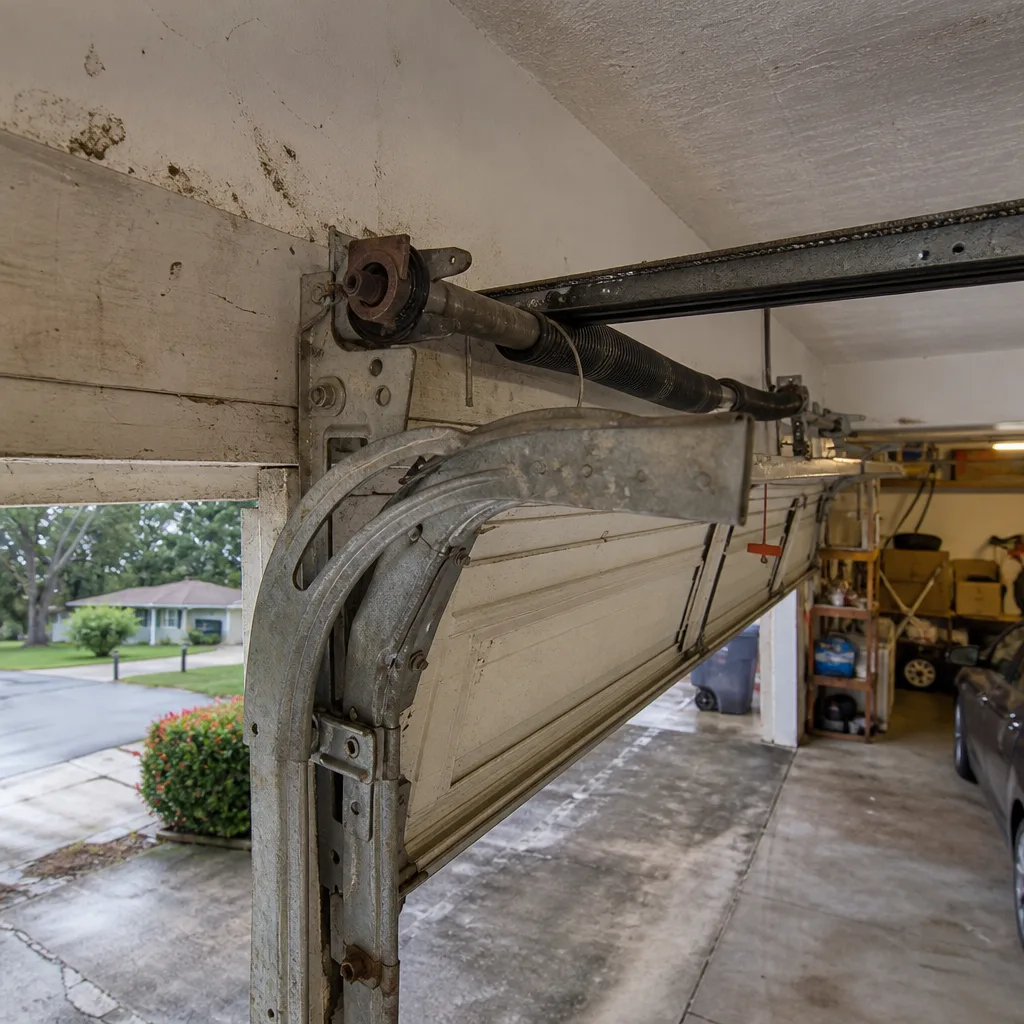 Before
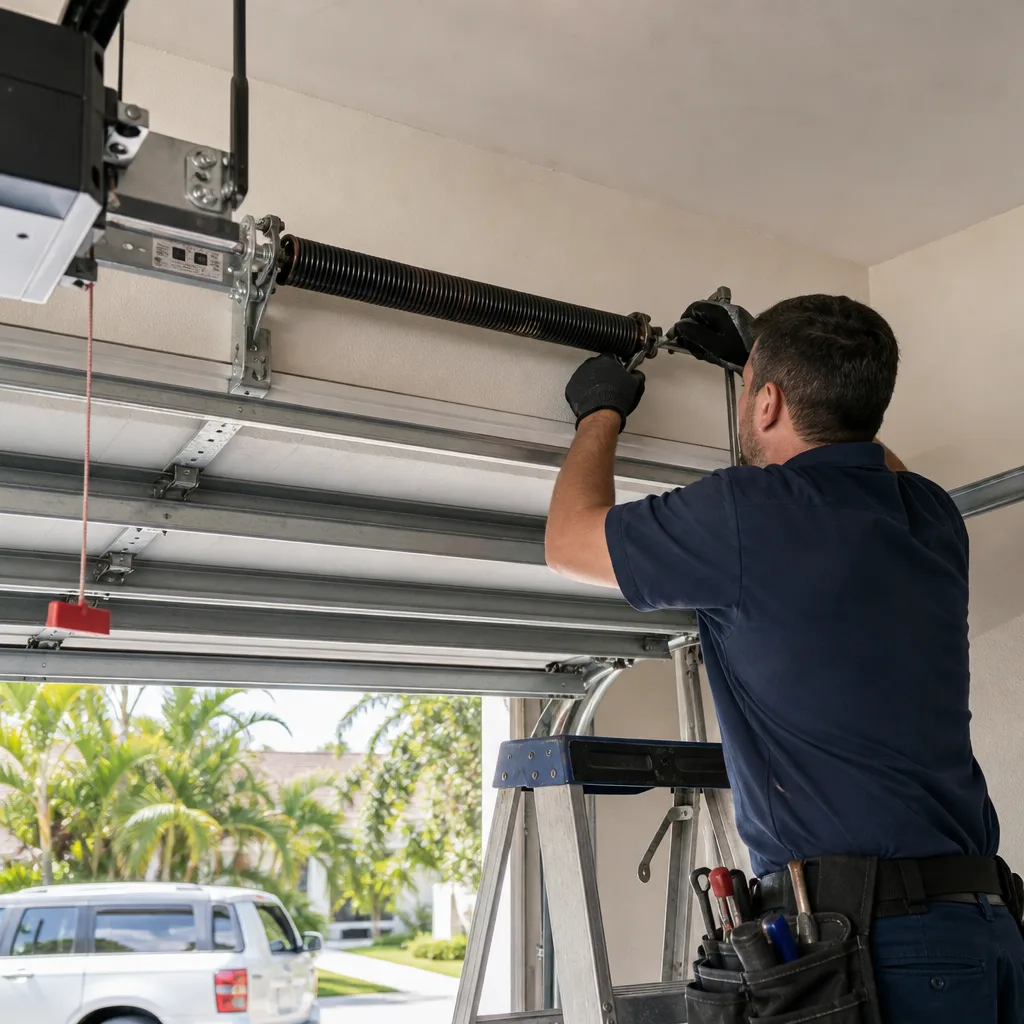 After
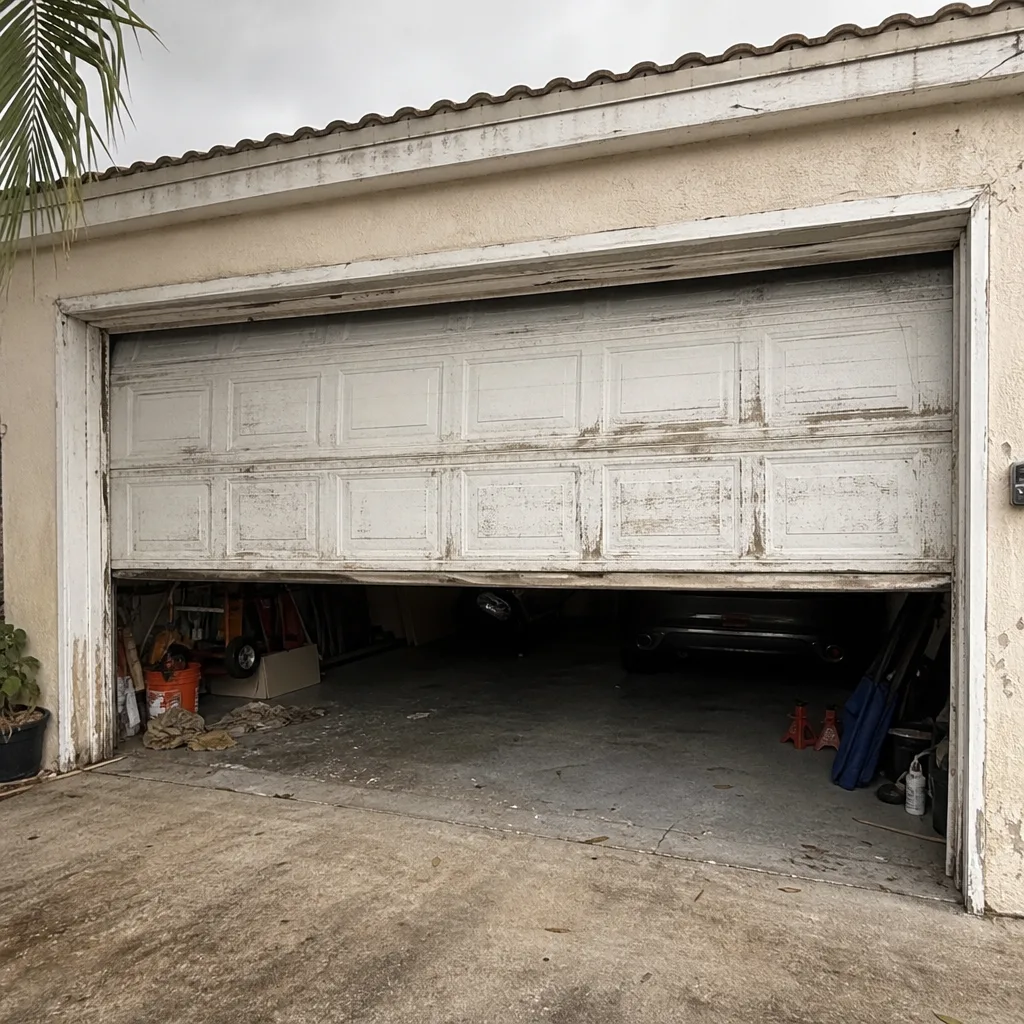 Before
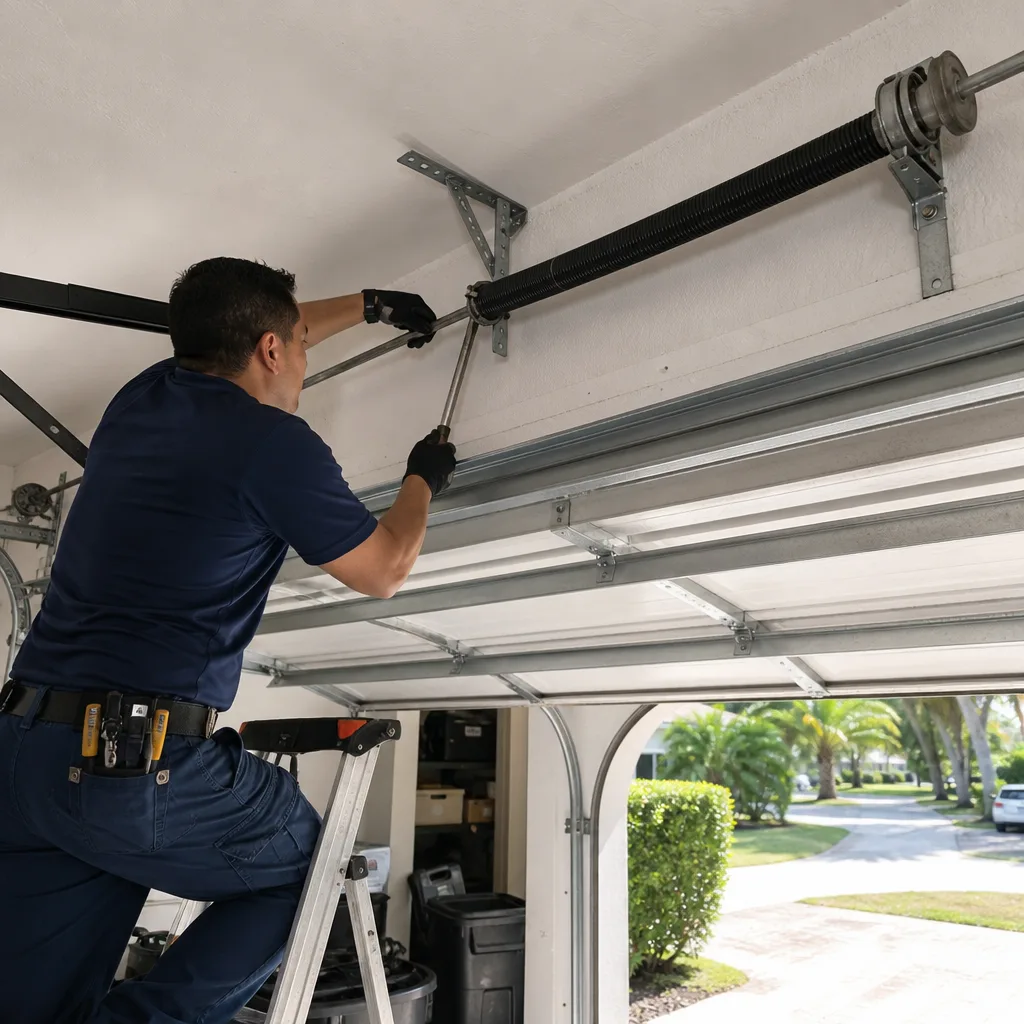 After